
Natural Attractions in Iran for Travel and Adventure
What you will read in this article:
What are some of the most unique natural attractions in Iran?
Iran offers a plethora of unique natural attractions including lush marshy forests, towering peaks, and UNESCO biosphere reserves. Some notable examples are the Hyrcanian Forests, Mount Damavand, and the Lut Desert.
Are there any UNESCO biosphere reserves in Iran?
Yes, Iran is home to several UNESCO biosphere reserves. These include the Golestan National Park, the Arasbaran Protected Area, and the Miankaleh Peninsula, among others.
What is the best time of year to visit Iran’s natural attractions?
The best time to visit depends on the specific attraction. Generally, spring (March to May) and autumn (September to November) are ideal for most regions, offering mild weather and beautiful scenery. However, for mountainous regions like Mount Damavand, summer is the best time due to milder conditions.
What outdoor activities can visitors enjoy in Iran’s natural areas?
Visitors to Iran’s natural areas can enjoy a range of outdoor activities such as hiking, bird-watching, skiing, exploring caves, and camping. Each region offers unique opportunities for adventure and exploration.
What kind of wildlife can I expect to see in Iran?
Iran is home to a variety of wildlife including Persian leopards, Asiatic cheetahs, Caspian seals, and numerous bird species. The diverse ecosystems support a wide range of flora and fauna.
Is it safe to visit Iran's natural attractions?
Generally, it is safe to visit Iran’s natural attractions. However, it is always advisable to check travel advisories, follow local guidelines, and take necessary precautions to ensure a safe and enjoyable trip.
FAQ: Exploring Iran's Unique Natural Attractions
1. Miankaleh Peninsula
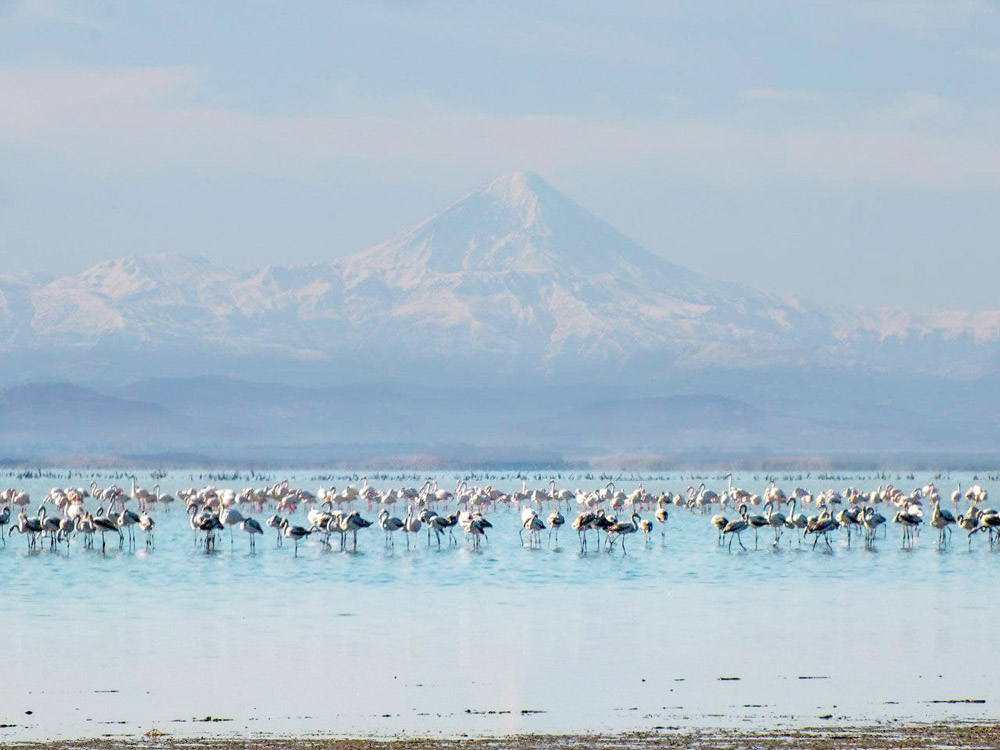
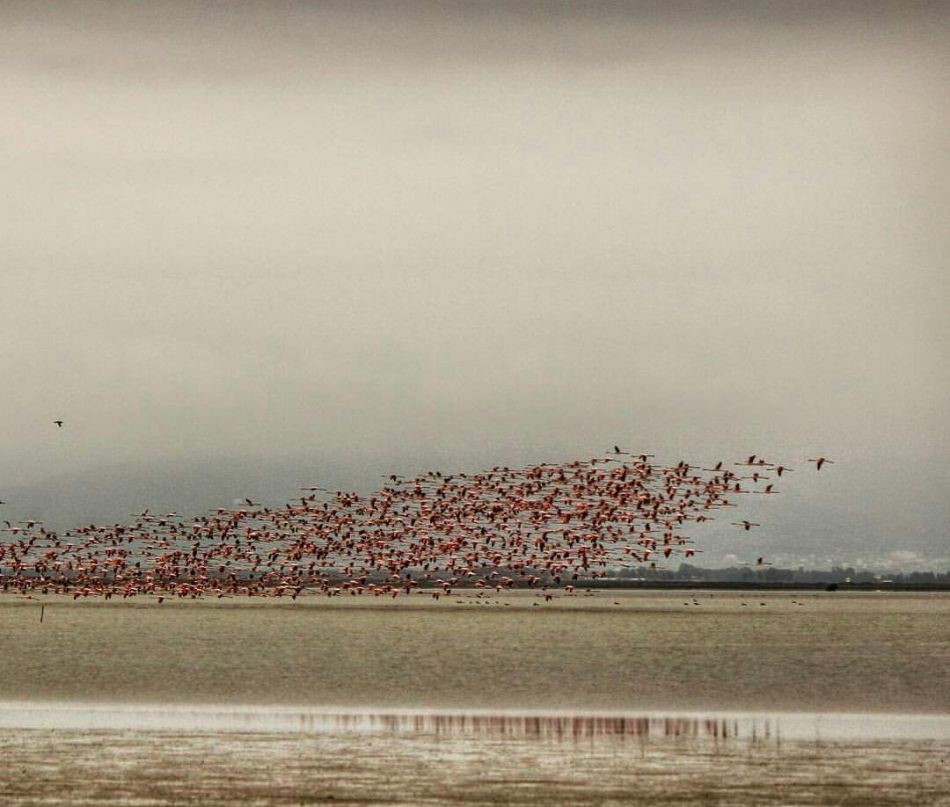
Located in Mazandaran province, the Miankaleh Peninsula is a renowned bird-watching paradise. This narrow but long peninsula is home to a variety of unique bird species, including flamingos, grey-legged pelicans, swans, ducks, geese, and white-tailed eagles. It forms an international wetland and a UNESCO biosphere reserve along with the Gulf of Gorgan. The best time to visit Miankaleh is late November to late February, capturing breathtaking sunrises and sunsets for photography enthusiasts.
2. Mount Damavand
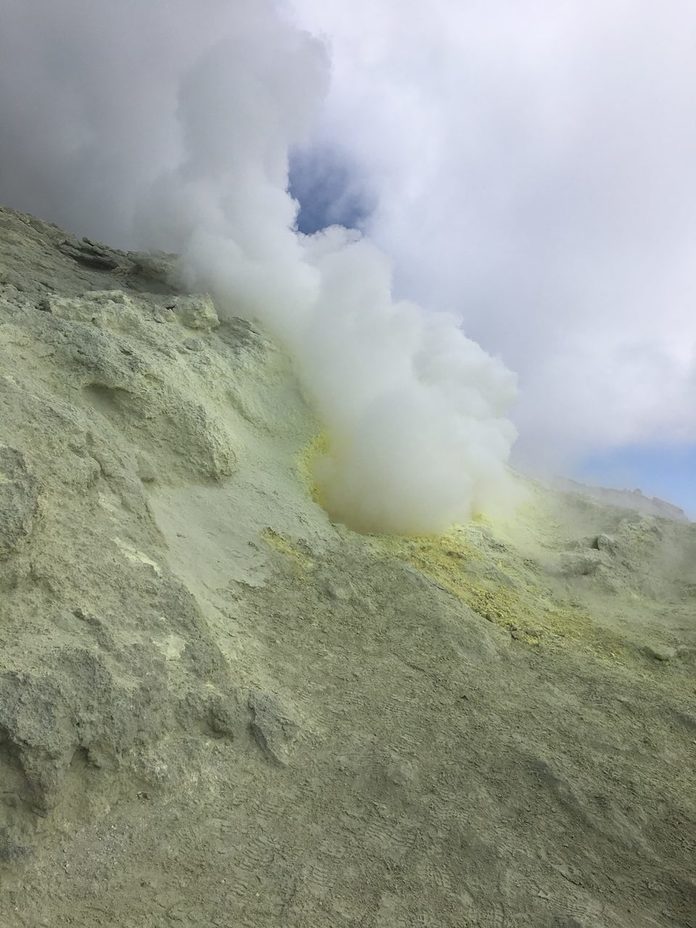
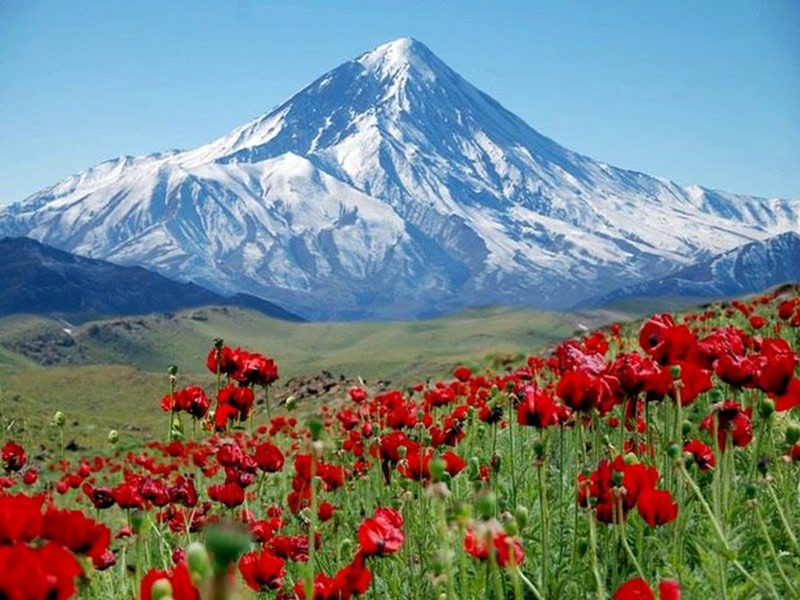
Situated 100 kilometers from Tehran, Mount Damavand is the highest peak in Iran and the tallest volcano in Asia. It symbolizes grandeur, steadfastness, and freedom for Iranians and even features on Iran’s official currency. The southern slopes of Damavand are dotted with pistachio trees and various wildlife such as goats, foxes, wolves, and golden eagles. The best time for climbing Damavand is July and August when the trails are green and snow-free.
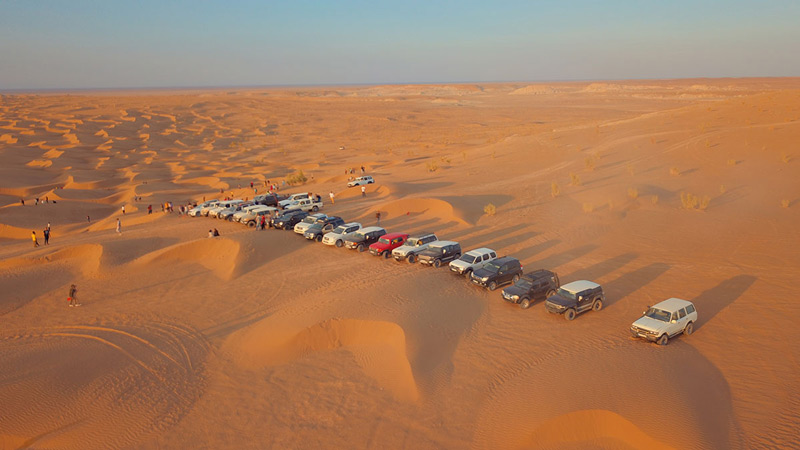
3. Lut Desert (Dasht-e Lut)
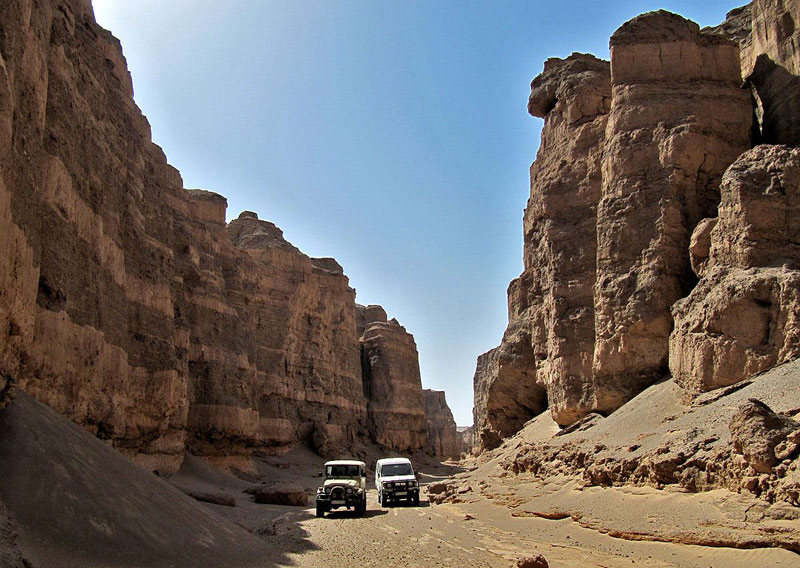
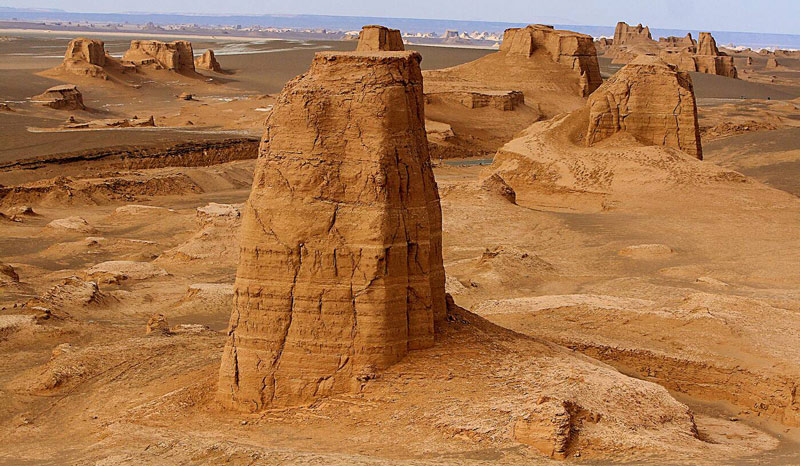
The Lut Desert is a vast salt desert in southeastern Iran, characterized by its towering yardangs (known locally as Kaluts) and extreme heat. Visitors can enjoy trekking through the sand, climbing dunes, and witnessing spectacular sunsets and starry nights. The best times to visit are the first two months of spring (April and May) and the first two months of fall (September and November).
4. Margoon Waterfall
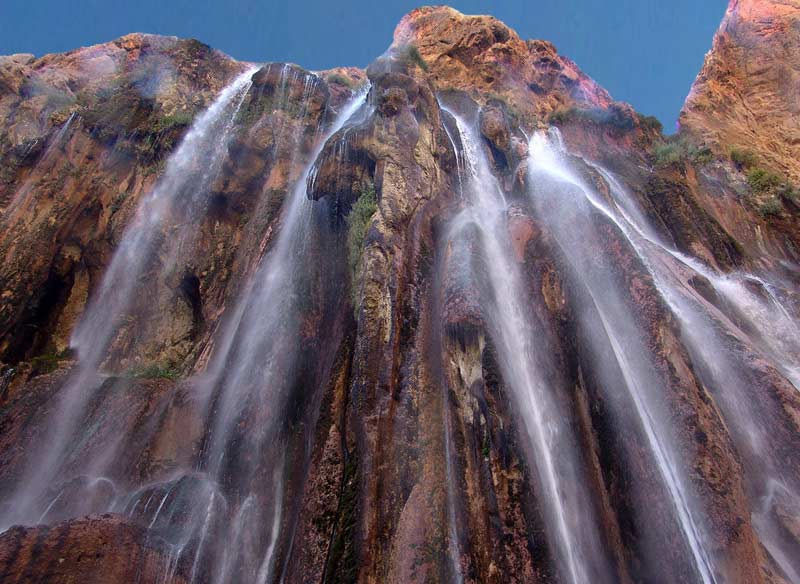
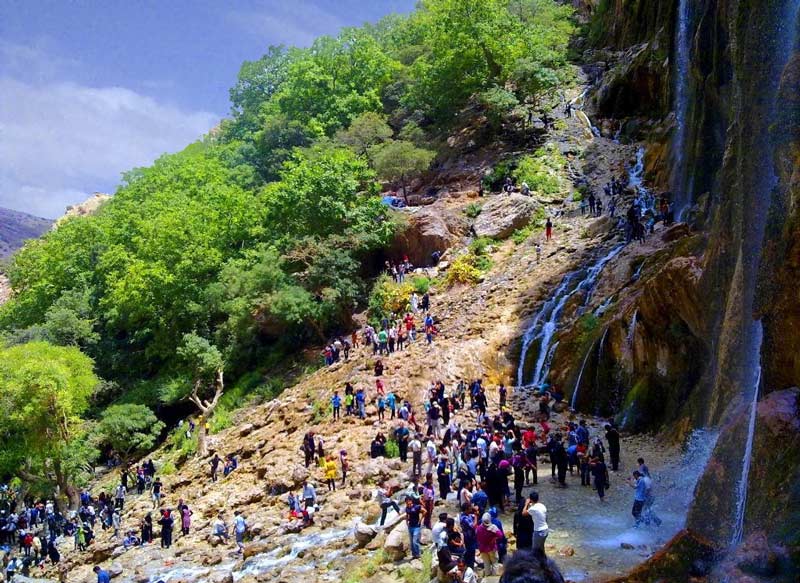
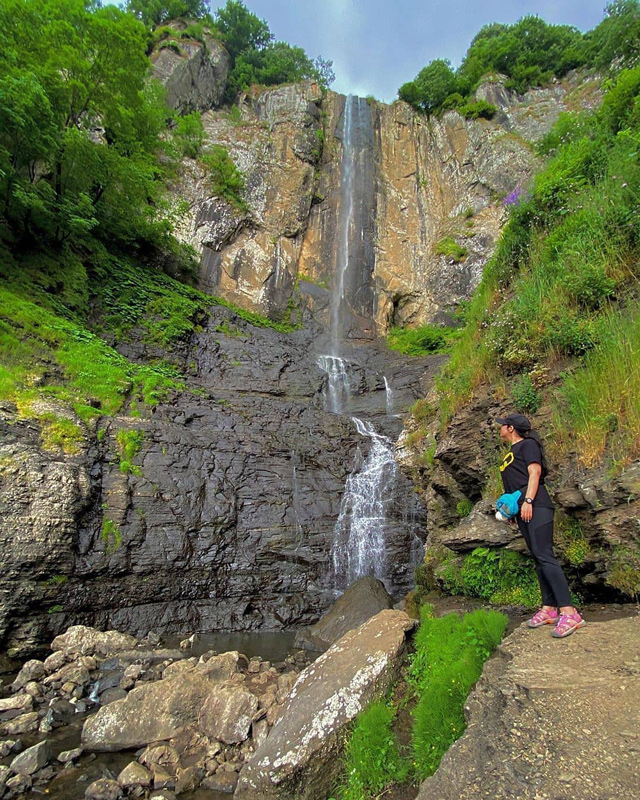
Margoon Waterfall, located on the border of Kohgiluyeh and Boyer-Ahmad and Fars provinces, is one of Iran’s largest waterfalls. Its multiple streams and lush surroundings make it a breathtaking natural site. The best time to visit Margoon is during spring and summer when the area is accessible and the weather is pleasant.
5. Badab-e Surt
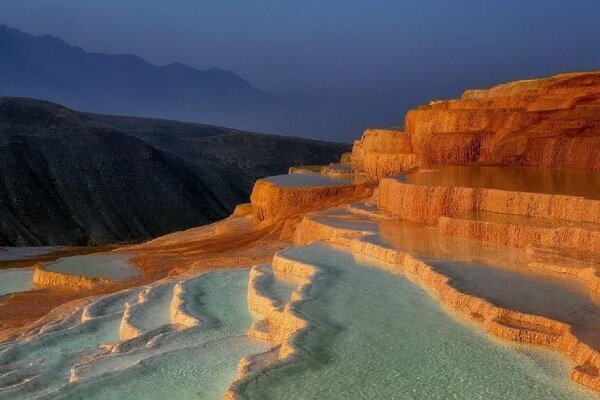
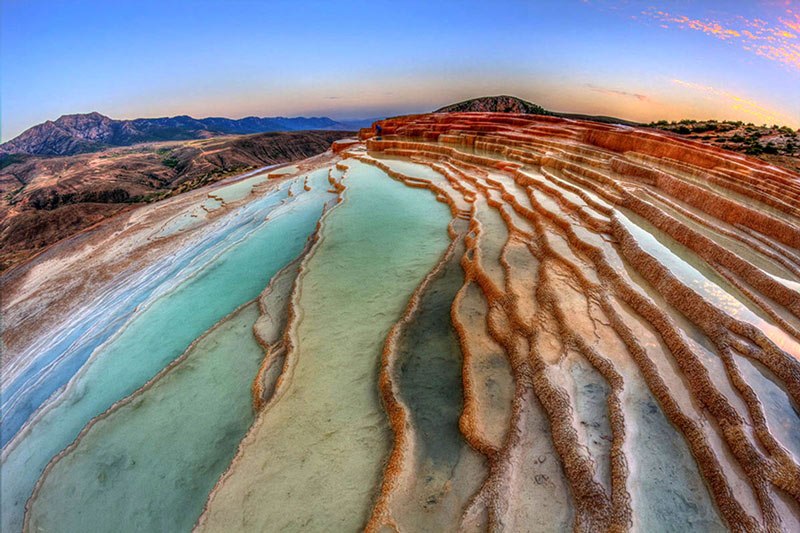
This natural site in Mazandaran province consists of two hot springs that have created unique terraced formations of travertine. Badab-e Surt is one of the few such formations worldwide, with Pamukkale in Turkey and Mammoth Hot Springs in the USA being similar. The best time to visit is April and May, enjoying the temperate weather and vibrant colors of the surrounding mountains.
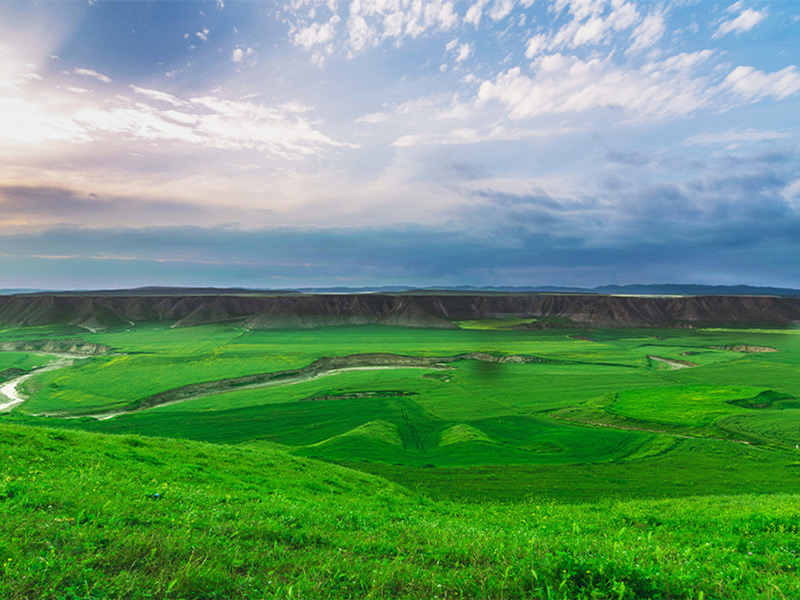
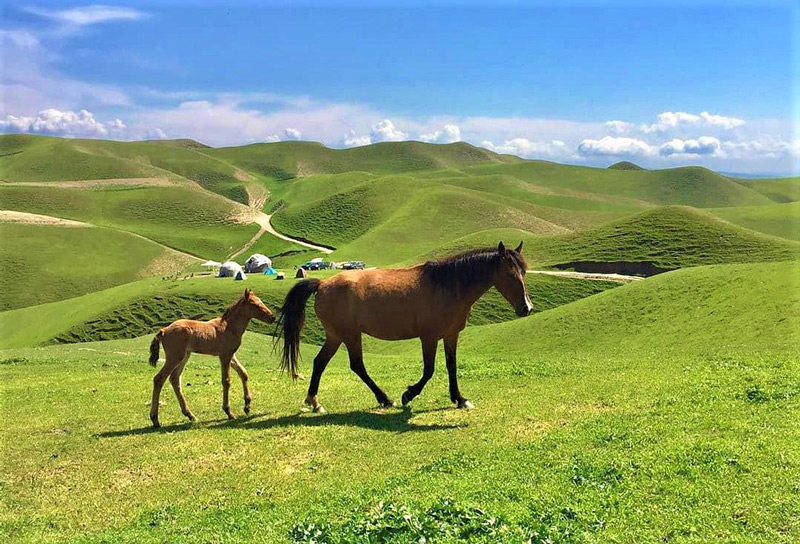
7. Turkmen Sahra
Turkmen Sahra, situated in Golestan province, offers stunning landscapes, wildlife viewing, horseback riding, and hiking opportunities. It is also home to the Turkmen people, known for their unique culture and traditional lifestyle. The best times to visit are mid-March to late May and mid-September to November.


9. Masal Forest
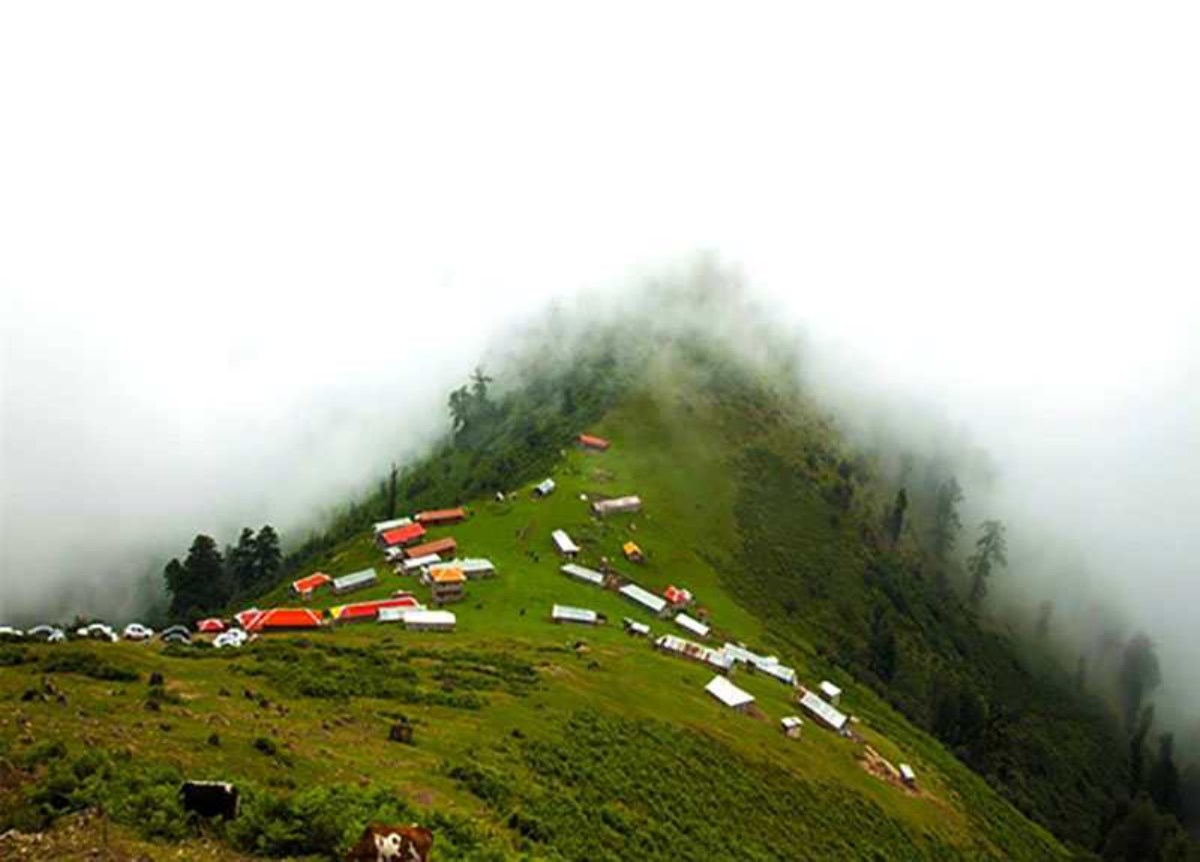
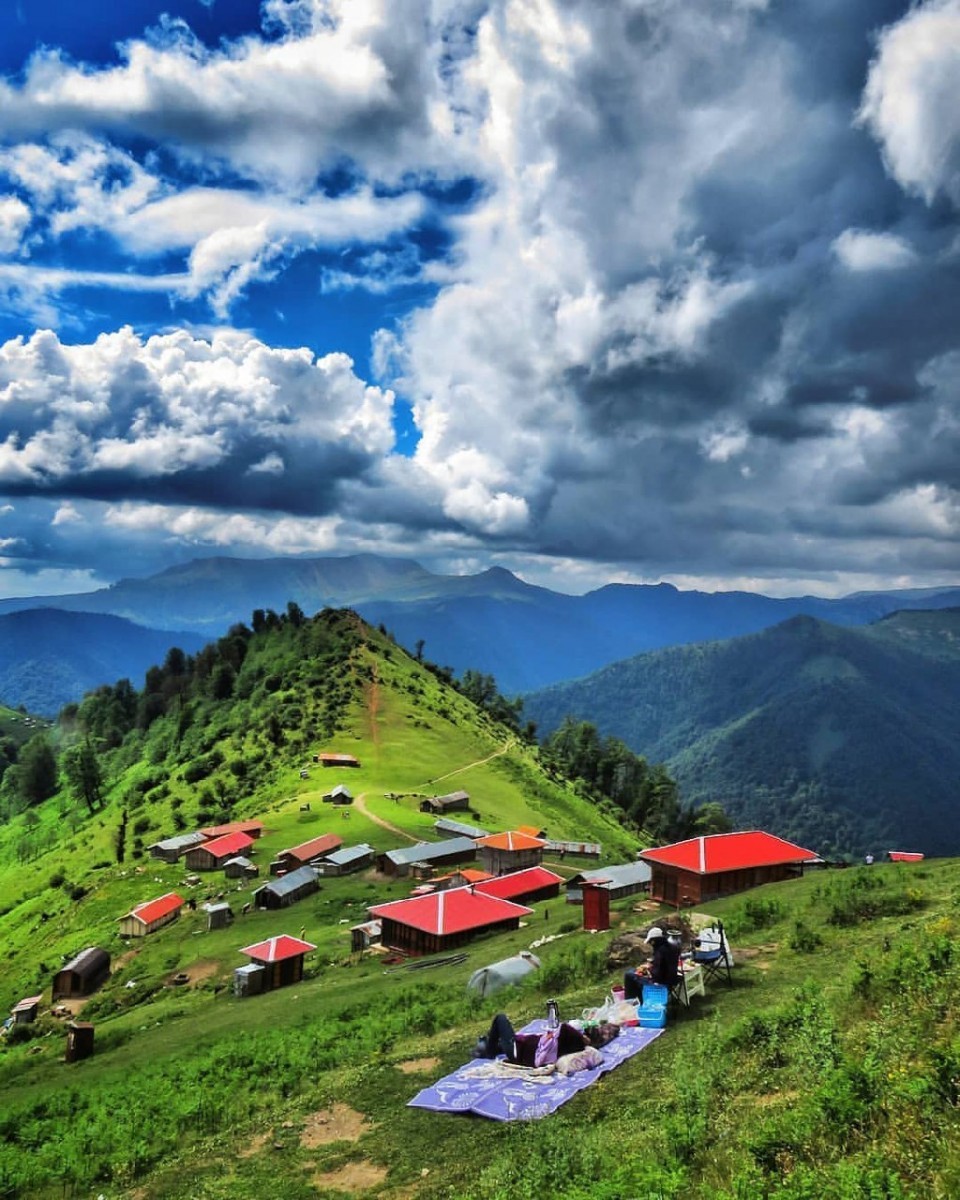
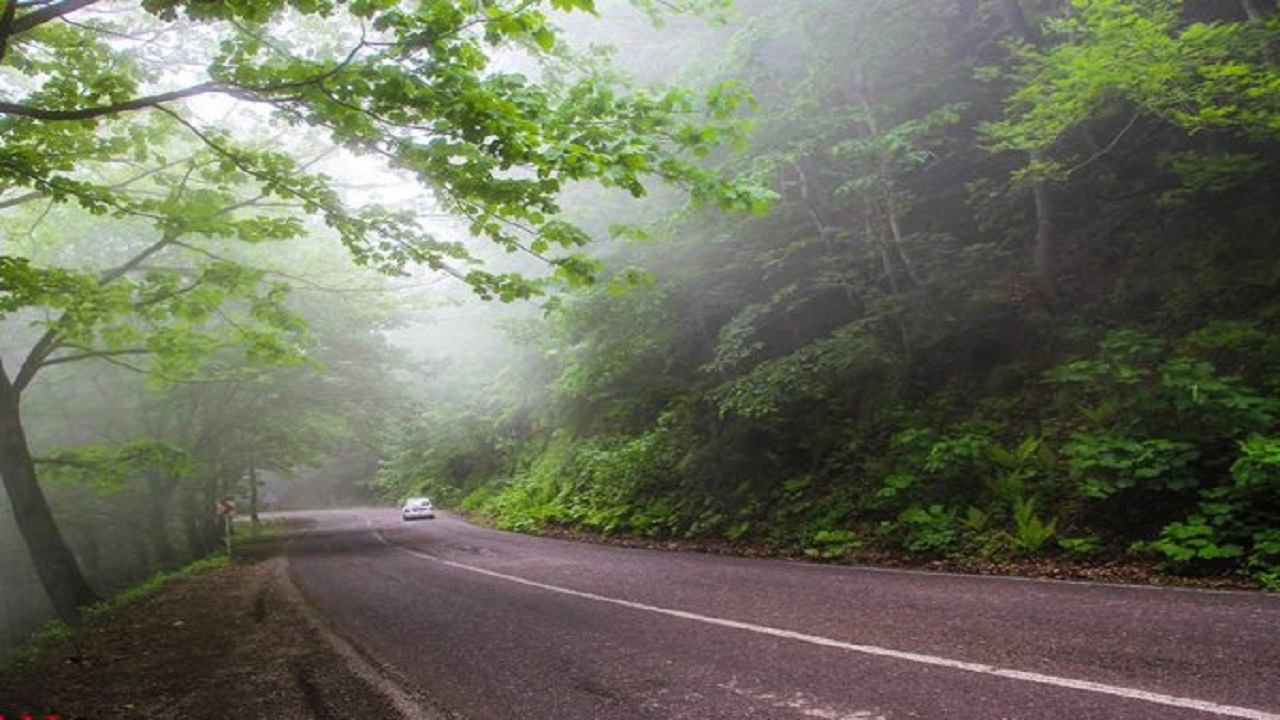
Located near the Caspian Sea in Gilan province, Masal Forest is a picturesque region with lush valleys and dense forests. Known as the “Mountain City,” Masal is ideal for nature lovers, offering local cuisine, forested caves, and breathtaking views best enjoyed in late spring and summer.
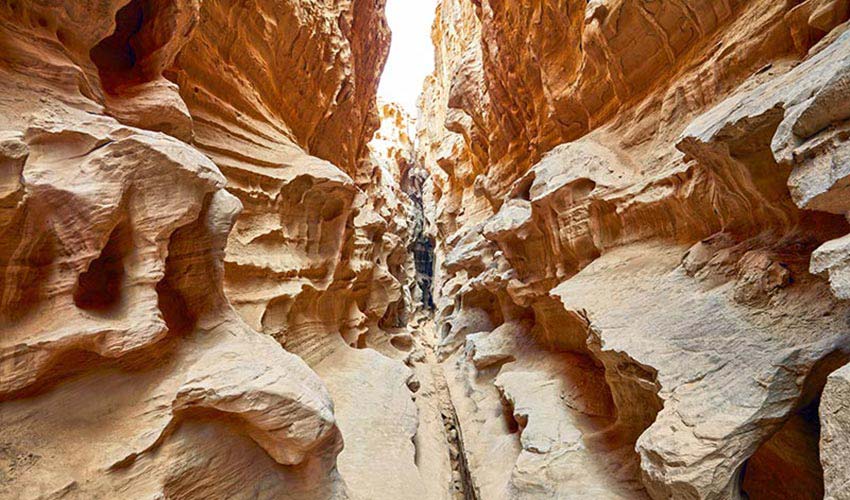
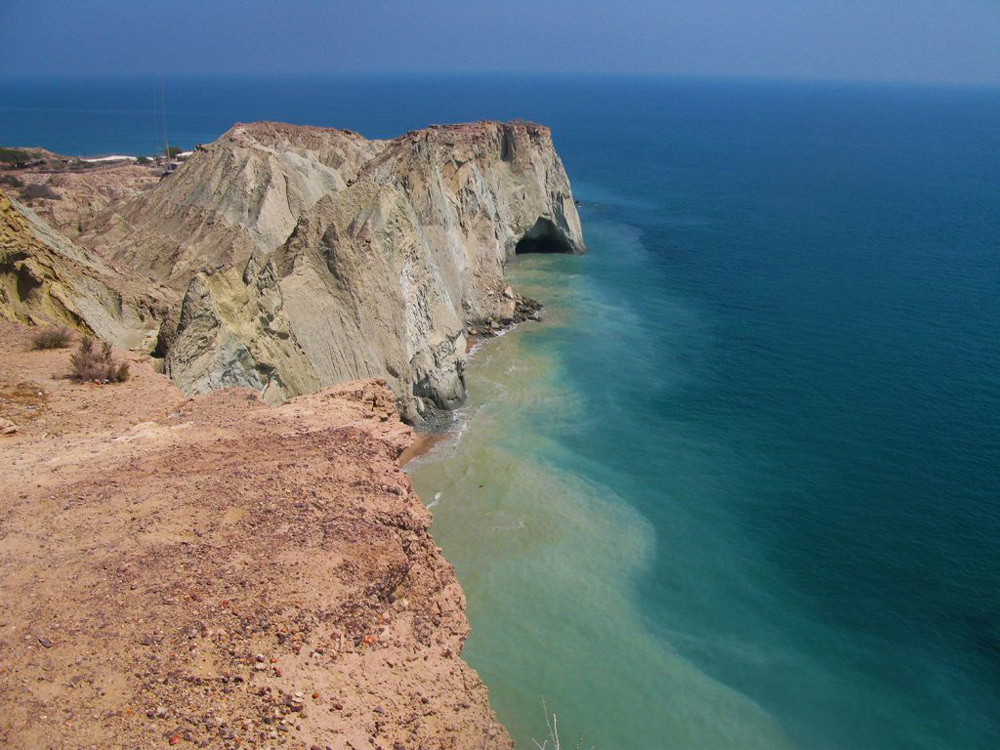
10. Qeshm Island
Shaped like a dolphin and situated in the strategic Strait of Hormuz, Qeshm Island is the largest and one of the most extraordinary natural attractions in southern Iran. It is home to a significant percentage of the world’s and Iran’s bird species. Known as the “Island of Seven Wonders,” Qeshm offers diverse natural and cultural experiences year-round.





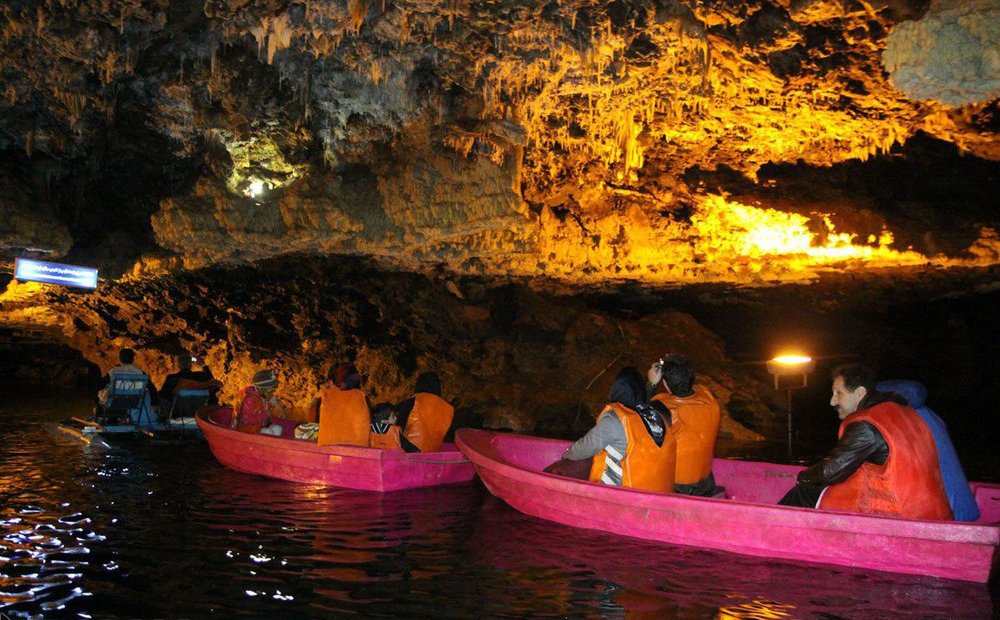
Our top pick for adventure tours to Iran's natural spots

Exploring Iran
Special Tours to Iran for English Speakers
in your
Native language