This private journey combines Iran’s ancient history, Persian architecture, desert towns, UNESCO sites, and the cultural atmosphere of Tehran, Isfahan, Yazd and Shiraz.
Duration: 8 Days
Best Season: 🌸 March–May 🍂 September–November
Tehran → Isfahan → Na’in → Meybod → Yazd → Pasargadae → Persepolis → Shiraz
DAY 1 Tehran Arrival & Welcome
DAY 2 Tehran & Flight to Isfahan
DAY 3 Isfahan & Naqsh-e Jahan Square
DAY 4 Na’in, Meybod & Yazd
DAY 5 Yazd & Zoroastrian Heritage
DAY 6 Pasargadae, Naqsh-e Rostam & Persepolis
DAY 7 Shiraz & Persian Gardens
DAY 8 Shiraz Departure

Tour at a Glance
- Duration: 8 days / 7 nights
- Start: Tehran
- End: Shiraz
- Travel style: Private guided tour
- Main cities: Tehran, Isfahan, Yazd and Shiraz
- Historic towns: Na’in and Meybod
- Ancient sites: Pasargadae, Persepolis and Naqsh-e Rostam
- UNESCO World Heritage Sites: Several major sites are included
- Transportation: Private road transportation, with a domestic flight from Tehran to Isfahan
- Wheelchair access: Available with advance planning
Why Choose This Iran Private Tour?
This itinerary is made for travelers who want a first introduction to Iran without joining a large group.
- Your itinerary is private rather than based around a fixed group schedule.
- You travel with a private guide who can explain the history, architecture and everyday culture behind the places you visit.
- You can spend more time at places that interest you and less time at places that do not.
- The route combines Persian, Islamic and pre-Islamic heritage rather than focusing on only one period of Iranian history.
- You visit major cities as well as smaller historic towns such as Na’in and Meybod.
- The journey ends in Shiraz after visiting Pasargadae, Naqsh-e Rostam and Persepolis.
What You Will Experience
- Walk through Tehran’s historic Golestan Palace and explore the National Museum of Iran.
- Experience Naqsh-e Jahan Square and the monumental Safavid architecture of Isfahan.
- See how traditional desert towns developed around water, shade and wind.
- Explore the historic towns of Na’in and Meybod away from the main tourist route.
- Discover Yazd’s Zoroastrian heritage, windcatchers, old streets and traditional water systems.
- Stand among the monumental ruins of Persepolis and learn how the Achaemenid Empire presented its power.
- Visit Pasargadae and the tomb traditionally associated with Cyrus the Great.
- Experience Shiraz through its gardens, poetry, bazaars, historic buildings and religious architecture.

8-Day Iran Private Tour Itinerary
Day 1 – Arrival in Tehran
Arrive at Tehran International Airport, where you will be met and transferred to your hotel.
The first day is intentionally light. After an international flight, most travelers benefit from having time to rest before beginning the sightseeing program.
Overnight: Tehran
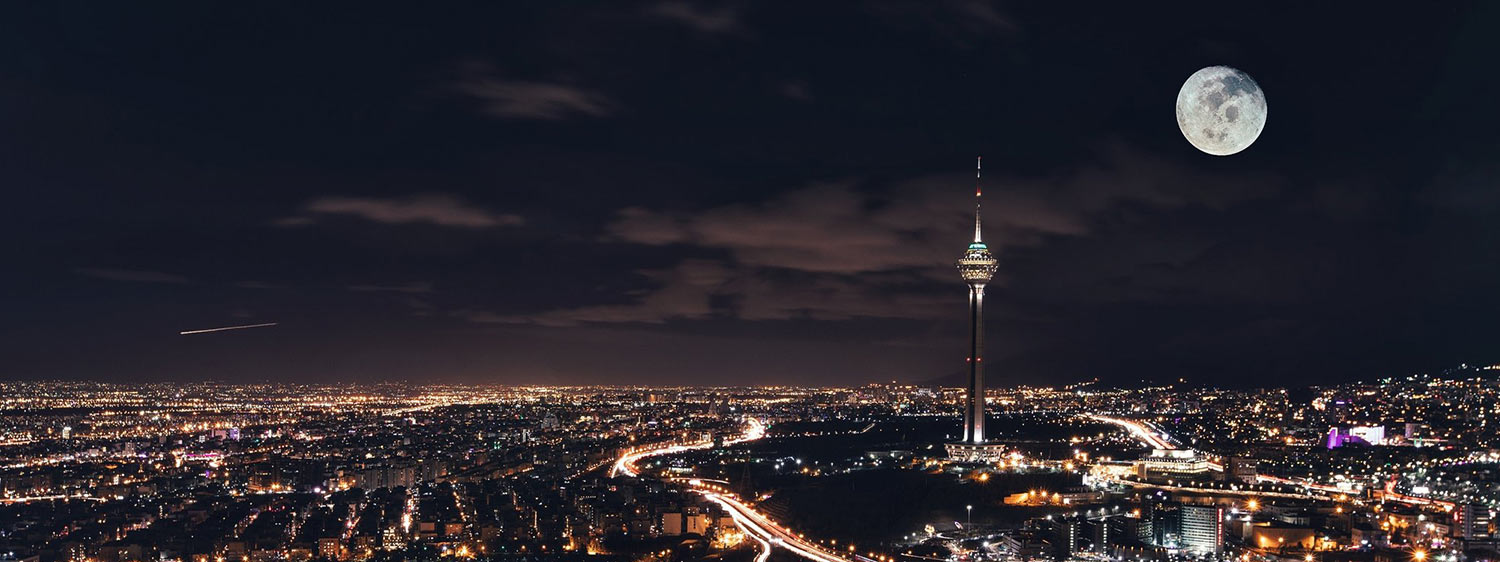
Day 2 – Tehran to Isfahan
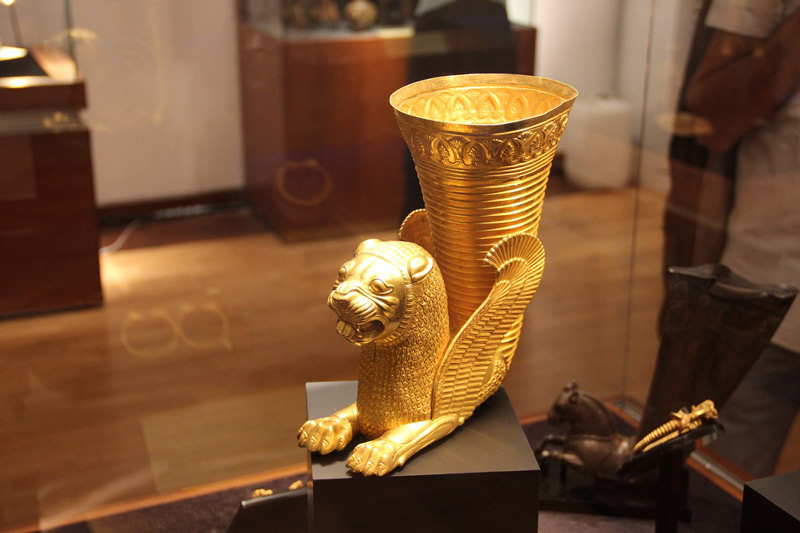
Begin your Tehran sightseeing with the National Museum of Iran, one of the best places to understand Iran before visiting its individual historical sites.
The museum covers a long period of Iranian history, from prehistoric archaeology through the ancient civilizations of Persia.
Continue to Golestan Palace, one of Tehran’s most important historic complexes. Its decorated halls, mirror work, tilework and royal architecture show a very different side of Iranian history from the ancient sites you will see later in the trip.
In the evening, take a domestic flight from Tehran to Isfahan.
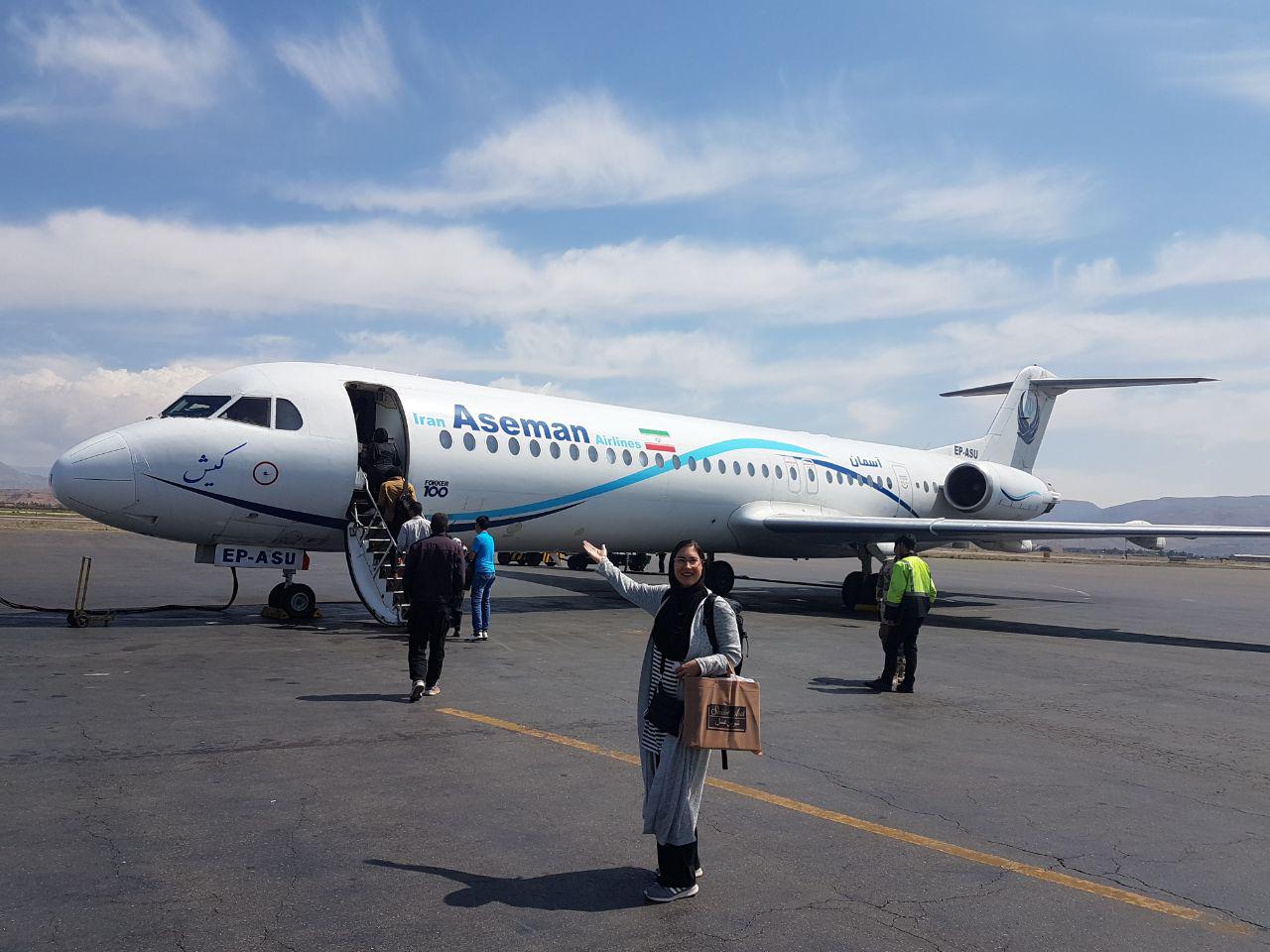
Overnight: Isfahan
Day 3 – Isfahan: The Safavid Capital
Today is dedicated to Isfahan, one of Iran’s great architectural cities.
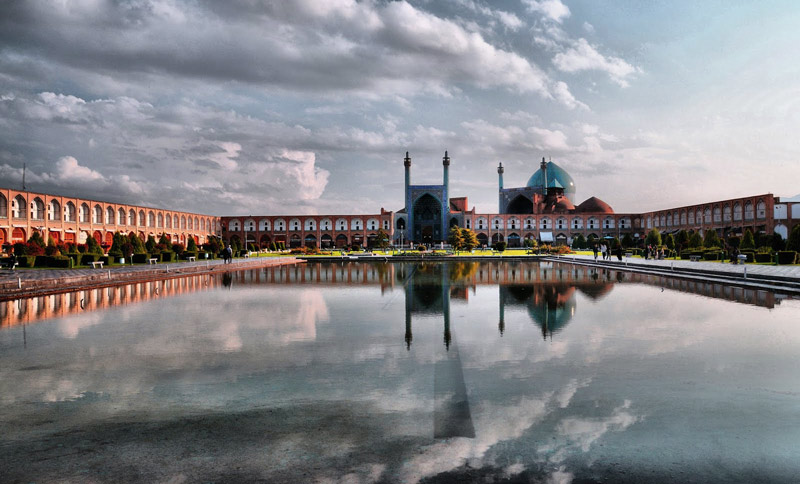
Start at Naqsh-e Jahan Square, the enormous Safavid-era square at the heart of the historic city.
Visit the Imam Mosque, Sheikh Lotfollah Mosque and Ali Qapu Palace, then walk through the traditional bazaar surrounding the square.
Continue to Chehel Sotoun Palace, known for its gardens, paintings and reception hall.
If time allows, visit the historic Jame Mosque of Isfahan.
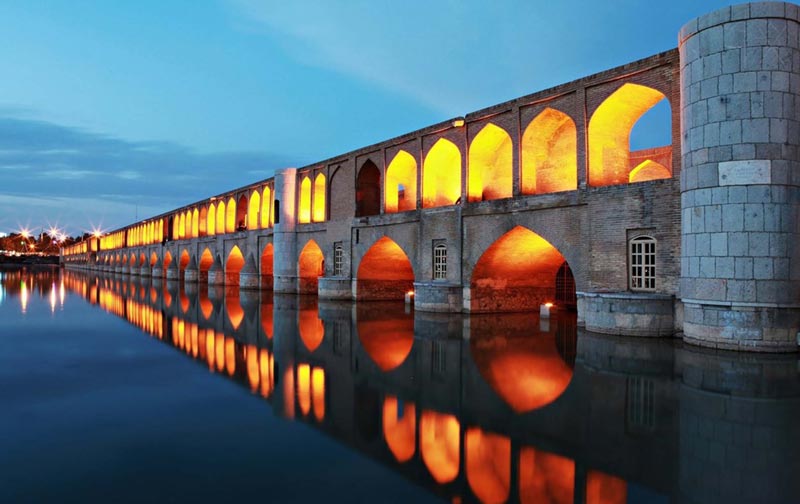
In the evening, visit the historic bridges over the Zayandeh-Rud, including Si-o-se-pol and Khaju Bridge. The atmosphere here is very different from daytime sightseeing, with local people often gathering around the bridges.
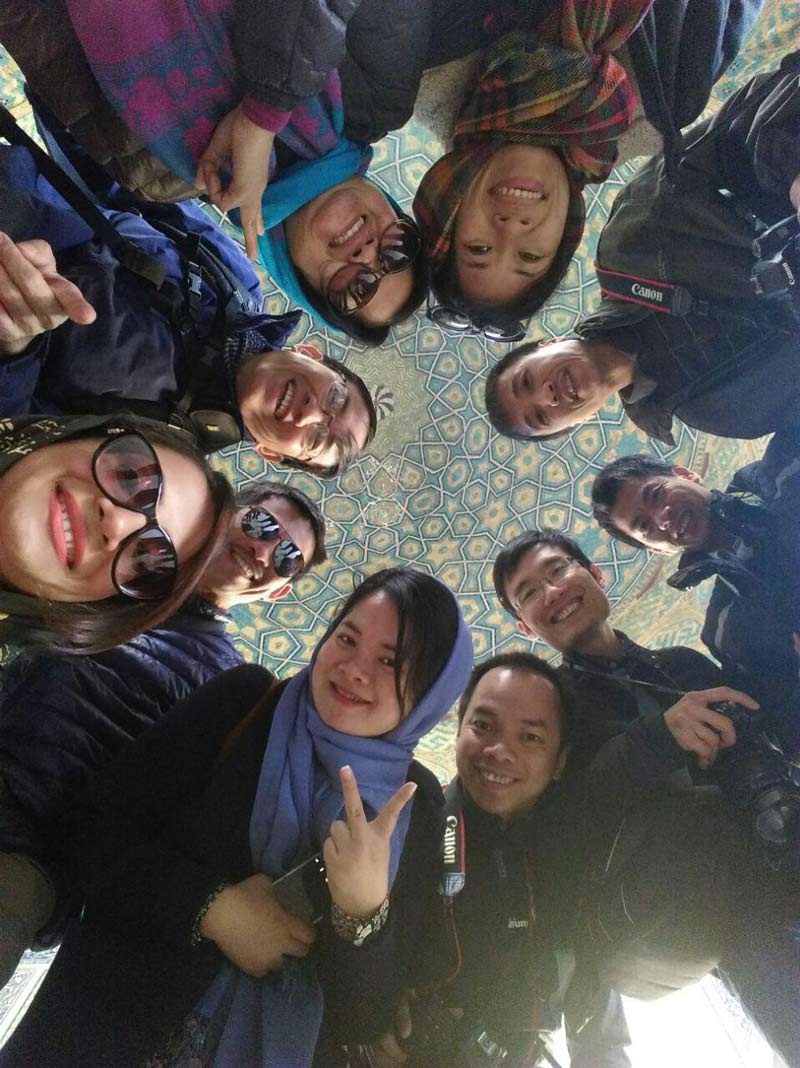
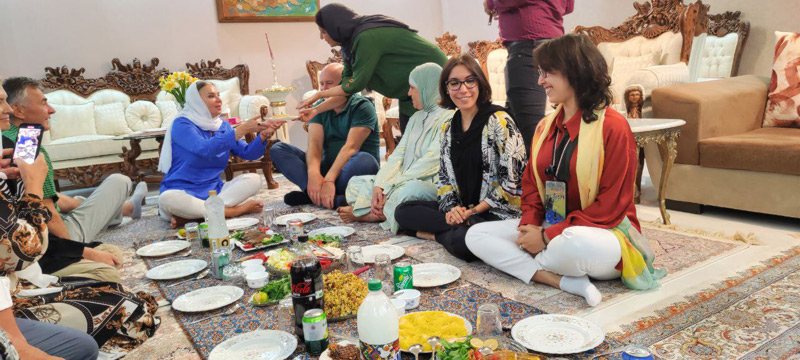
Overnight: Isfahan
Day 4 – Isfahan to Yazd via Na’in and Meybod
Leave Isfahan and travel toward Yazd through the central Iranian plateau.
The route includes two historic towns that are often missed on standard Iran itineraries: Na’in and Meybod.
In Na’in, explore the historic town and visit its famous Jame Mosque, one of Iran’s early Islamic mosques still in use.
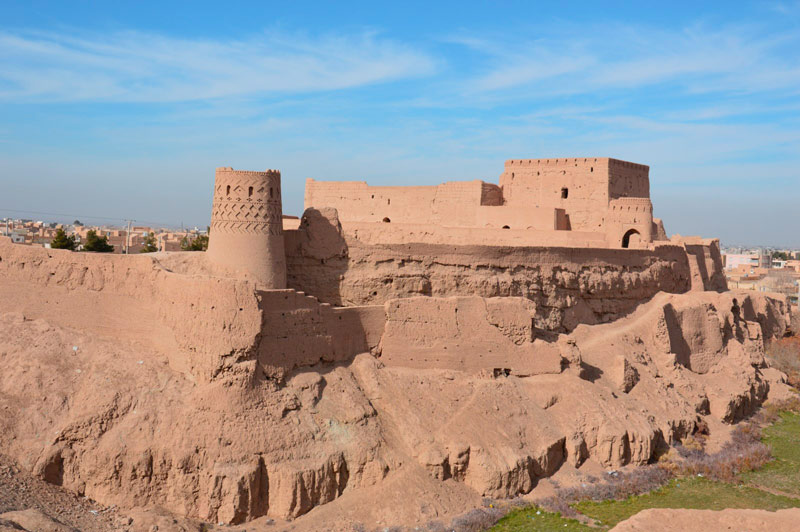
Continue to Meybod and visit Narin Castle, an imposing historic mud-brick structure overlooking the town.
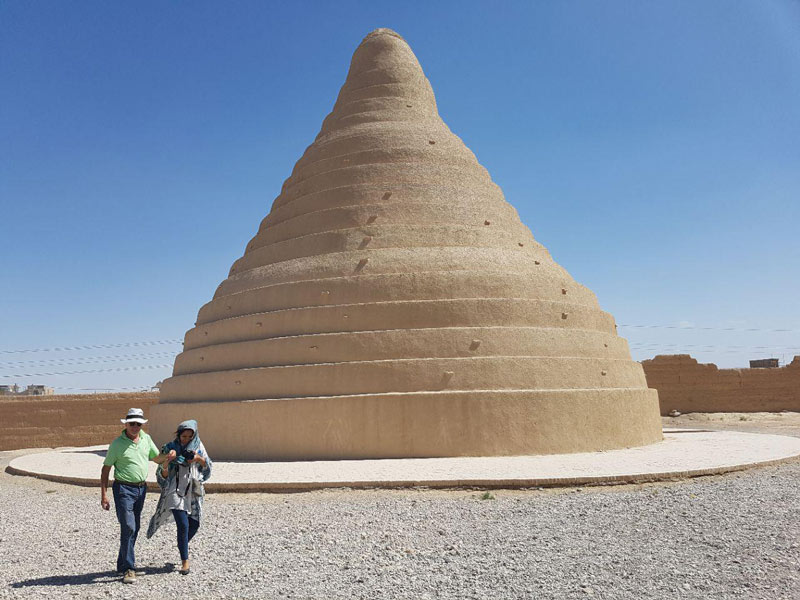
This day is also an opportunity to see how architecture changes as you move deeper into Iran’s desert environment. Mud-brick construction, narrow streets and traditional methods of dealing with heat become much more visible here.
Continue to Yazd for the night.
Overnight: Yazd
Day 5 – Yazd: Desert Architecture and Zoroastrian Heritage
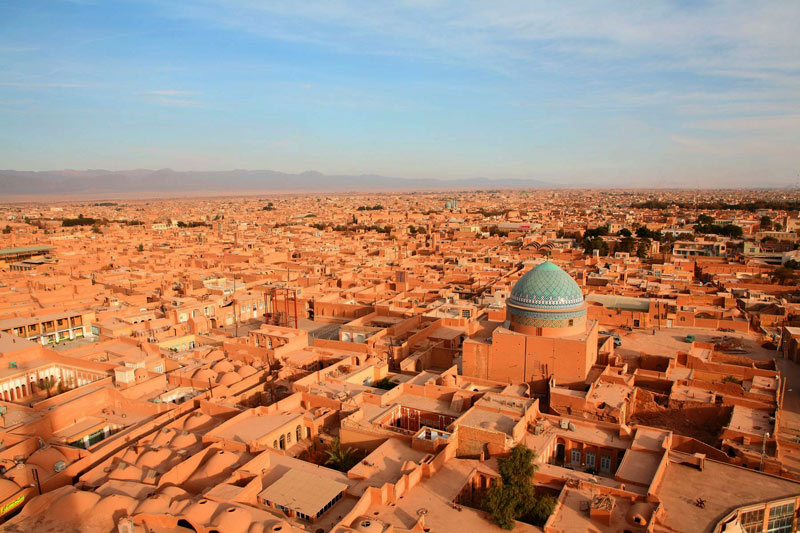
Explore the historic city of Yazd, one of Iran’s most distinctive desert cities.
Visit the Yazd Fire Temple and learn about the history of Zoroastrianism in Iran.
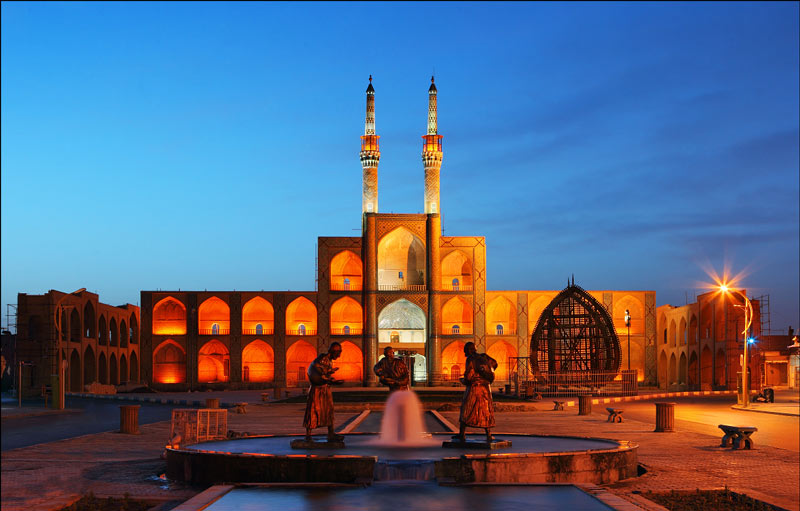
Continue to Jameh Mosque of Yazd and Amir Chakhmaq Square.
Walk through the old neighborhoods and see traditional houses, narrow lanes and the architectural techniques developed to make life possible in a hot desert climate.
Visit the Water Museum to understand the traditional qanat system and the importance of underground water channels in the development of Iranian desert cities.
Continue to Dolat-Abad Garden, one of Iran’s famous Persian gardens. Its tall traditional windcatcher is an impressive example of how Persian architecture adapted to Yazd’s climate.
Overnight: Yazd
Day 6 – Yazd to Shiraz via Pasargadae, Naqsh-e Rostam and Persepolis
This is one of the most important historical days of the tour.
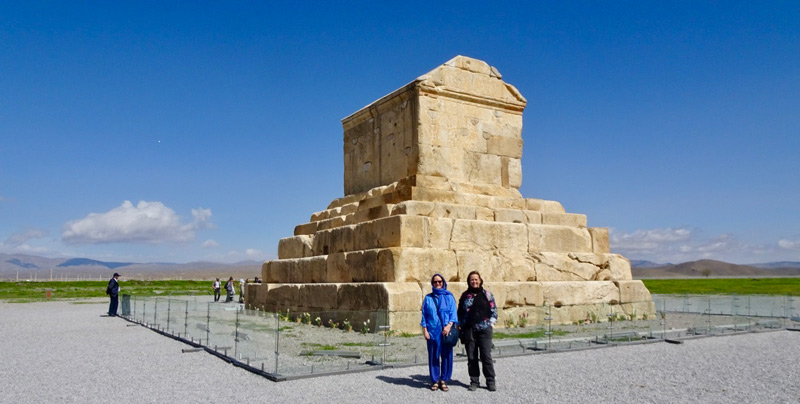
Travel from Yazd toward Shiraz and visit Pasargadae, the first dynastic capital of the Achaemenid Empire and the site traditionally associated with the tomb of Cyrus the Great.
Continue to Naqsh-e Rostam, where monumental royal tombs are carved into the cliffs.
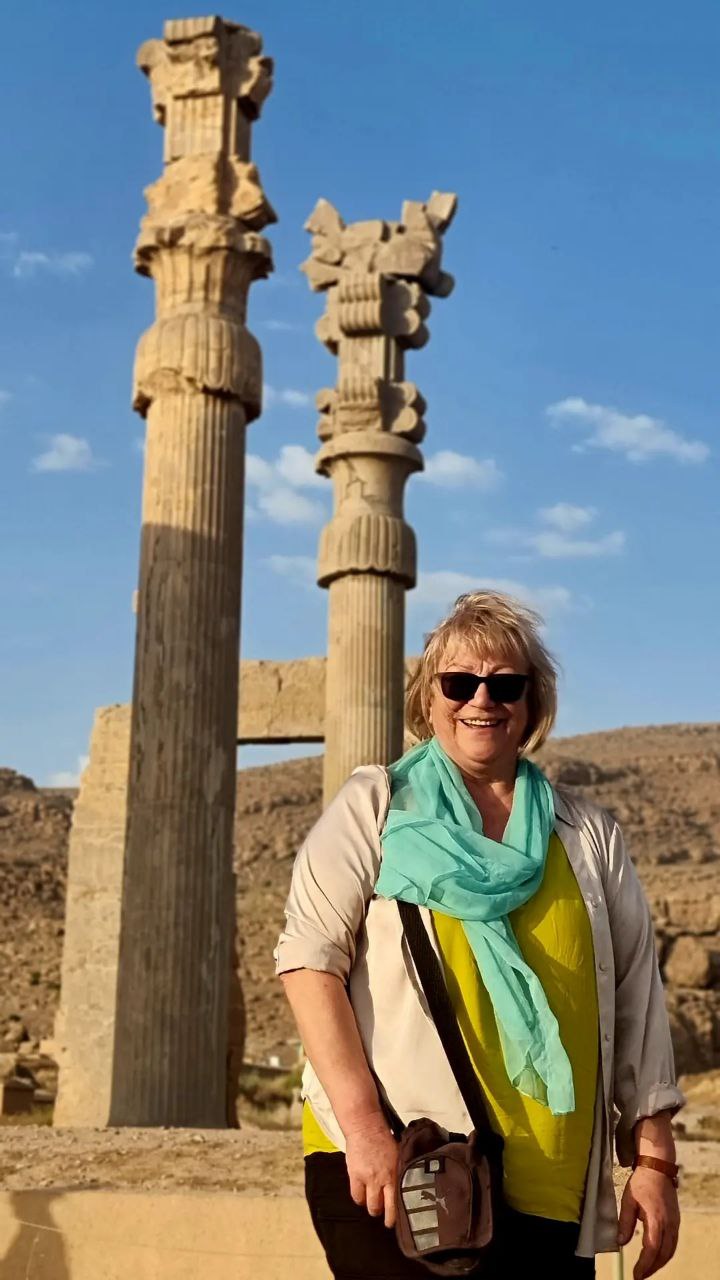
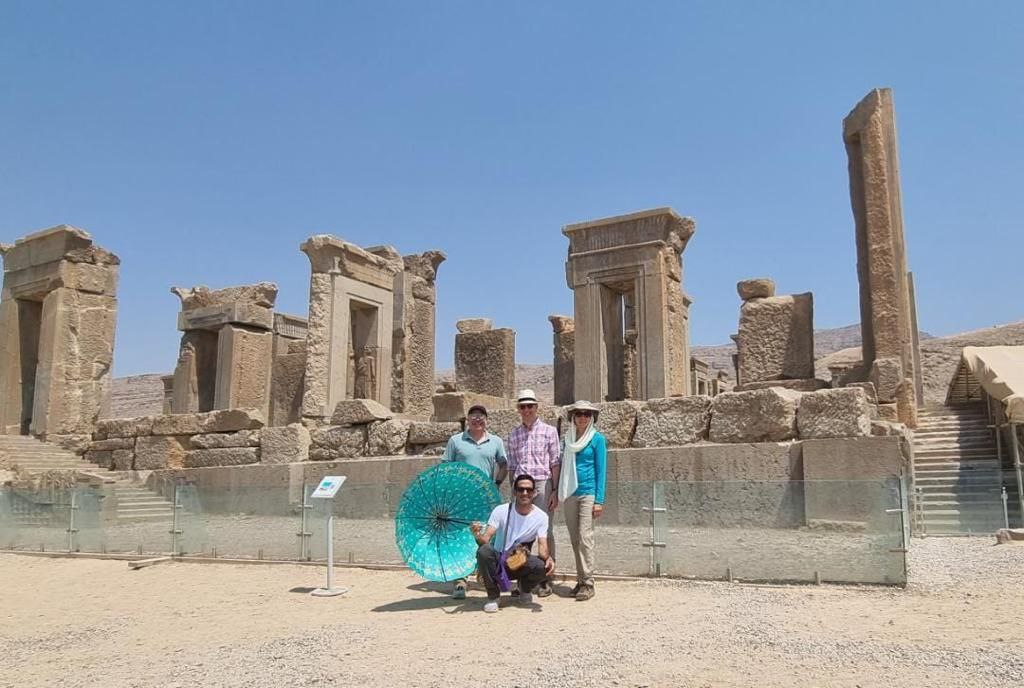
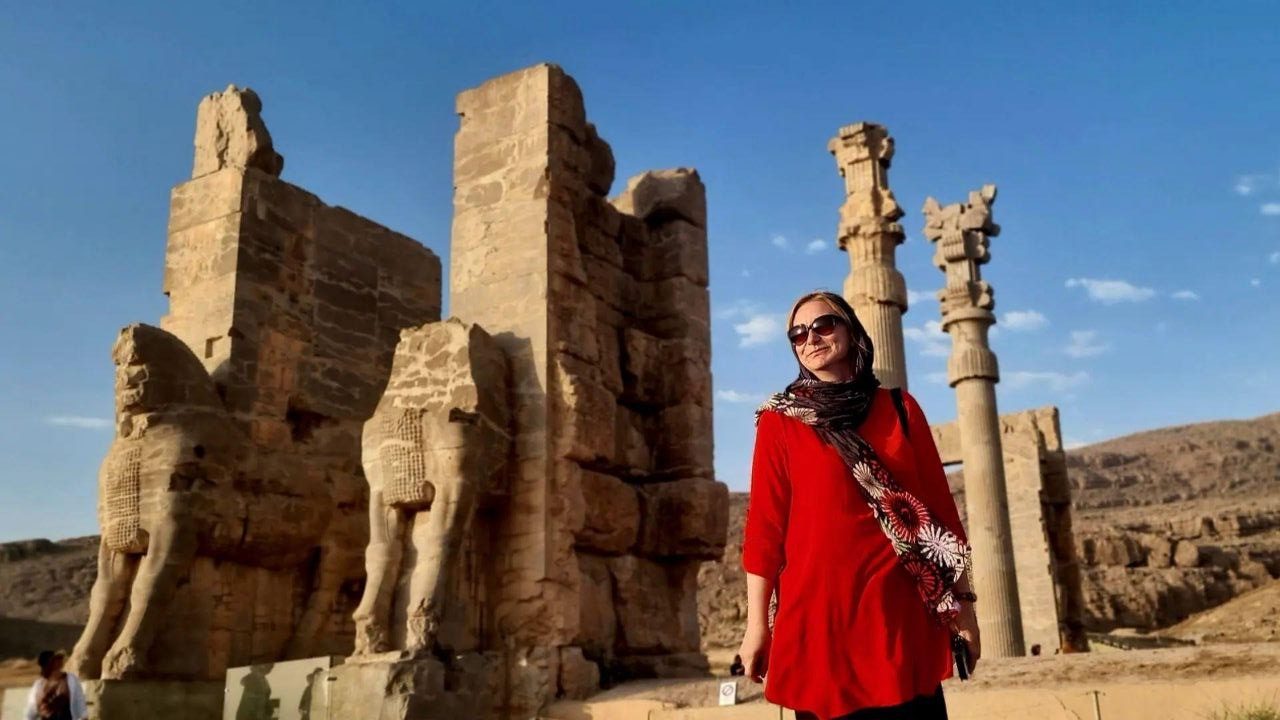
Then explore Persepolis, the ceremonial capital of the Achaemenid Empire.
Among the major remains are the Gate of All Nations, Apadana, royal palaces and monumental reliefs.
This is a long sightseeing and travel day. Much of Persepolis is exposed to the sun, so comfortable walking shoes, water, sun protection and suitable clothing are especially important.
Continue to Shiraz.
Overnight: Shiraz
Day 7 – Shiraz: Poetry, Gardens and Persian Culture
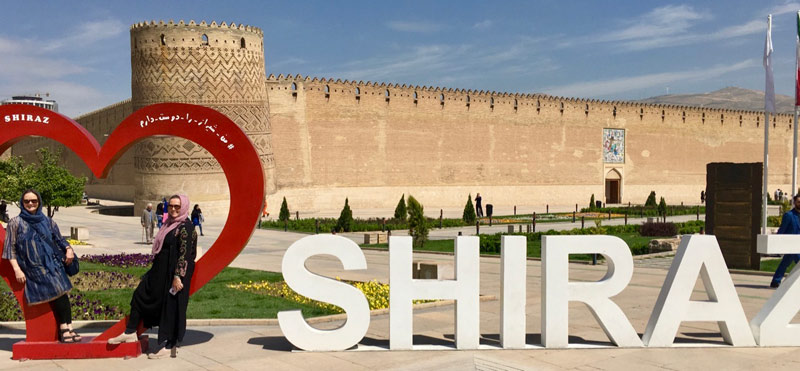
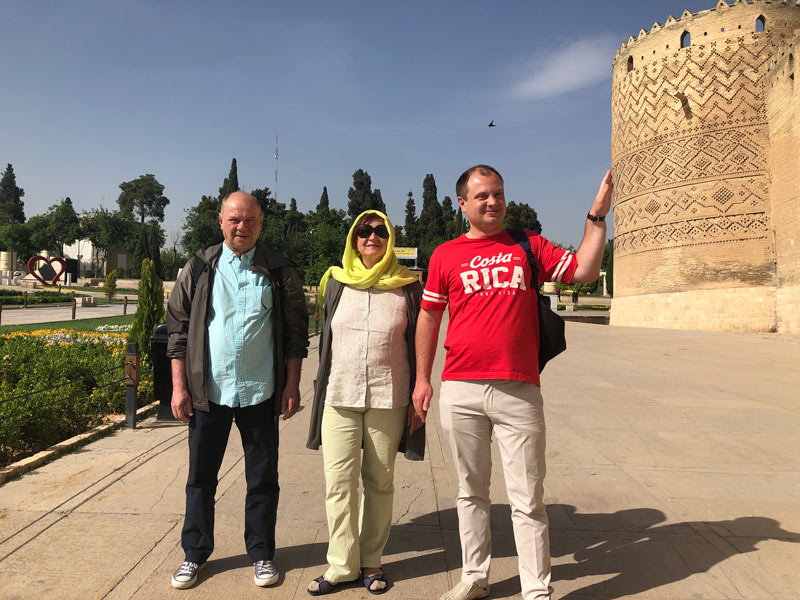
Begin exploring Shiraz with the Zandieh complex, including the Arg of Karim Khan, Vakil Mosque, Vakil Bath and Vakil Bazaar.
Continue to Shah Cheragh Shrine, one of the most important religious sites in Shiraz. Visitors should follow local dress and photography rules when entering religious sites.
Visit the tombs of Hafez and Saadi, two of the most influential Persian poets.
Continue to Eram Garden and, depending on the schedule, Jahan-Nama Garden and Quran Gate.
Shiraz is also a good place to slow down after several intensive historical sightseeing days. Your guide can help you choose where to spend more time depending on your interests in poetry, gardens, architecture, food or local life.
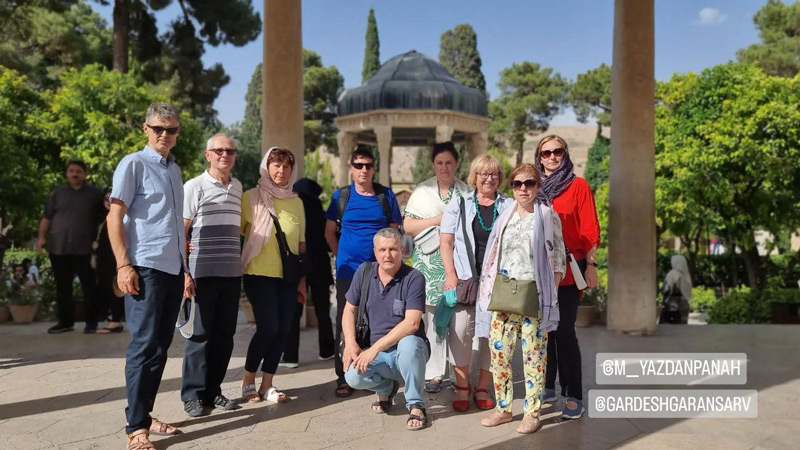
Overnight: Shiraz
Day 8 – Departure from Shiraz
Transfer to Shiraz International Airport for your departure flight.
If your international flight departs later in the day, the schedule can be adjusted according to your departure time.
Is 8 Days Enough for Iran?
Yes, if your priority is to see the major historical highlights of central Iran in a relatively short trip.
But this is not a slow-paced holiday. The itinerary covers several cities and includes some long travel days, especially the journey from Yazd to Shiraz through the major Achaemenid sites.
If you have more time, extending the trip to 10–12 days allows for a more relaxed pace and additional experiences such as Kashan, local food experiences, handicrafts, desert activities or extra time in Isfahan and Shiraz.
Why This Route Instead of the Standard Iran Itinerary?
Many first-time Iran itineraries concentrate on Tehran, Kashan, Isfahan, Yazd and Shiraz.
This tour takes a different approach by traveling from Isfahan to Yazd through Na’in and Meybod.
That gives you a chance to see smaller historic settlements and the architecture of Iran’s central desert region rather than moving only between the country’s largest tourist cities.
If your priority is gardens, traditional houses and a slower introduction to Iranian architecture, Kashan can be added by modifying the itinerary.
Who Is This Iran Private Tour For?
- First-time visitors to Iran.
- Travelers interested in Persian history and architecture.
- Couples, families and small private groups.
- Travelers who prefer a private guide instead of a group tour.
- Visitors with limited time who want to see the main historical highlights.
- Travelers interested in both ancient Persia and Islamic-era Iran.
Who Should Skip This Tour?
This itinerary may not be the best choice if you want a slow holiday with very little driving.
You should consider a longer itinerary if you want several free afternoons, extensive food experiences, hiking, photography sessions or long stays in each city.
It is also worth adding extra days if you want to explore northern Iran, the Persian Gulf islands or the Lut Desert.
Best Time for This Iran Private Tour
| Season | What to Expect |
|---|---|
| March–May | One of the best periods for this route, with comfortable conditions for most sightseeing. |
| June–August | Possible, but Yazd and Persepolis can be extremely hot, especially during the middle of the day. |
| September–November | Another excellent period for cultural sightseeing and road travel. |
| December–February | Good for cultural travel, although Tehran and higher areas can be cold and evenings in central Iran can be chilly. |
For Persepolis, Pasargadae and Naqsh-e Rostam, spring and autumn are particularly comfortable because these archaeological sites are largely outdoors with limited shade.
Transportation and Travel Times
The tour combines a domestic flight with private road transportation.
- Tehran → Isfahan: domestic flight
- Isfahan → Na’in → Meybod → Yazd: private road transportation
- Yazd → Pasargadae → Naqsh-e Rostam → Persepolis → Shiraz: private road transportation
The distance between cities is only part of the story. Road conditions, sightseeing stops and the time spent exploring historical sites all affect the actual duration of a travel day.
For this reason, we recommend looking at the itinerary by travel experience and time on the road, rather than judging the route only by kilometers.
What to Wear and Bring
- Women should observe Iran’s dress regulations, including a headscarf and clothing that covers the arms and legs.
- Men should generally wear long trousers in public places and religious sites.
- Comfortable walking shoes are essential for Persepolis, Naqsh-e Rostam, old towns and bazaars.
- Bring sun protection and a refillable water bottle, particularly in spring, summer and autumn.
- Layers are useful during spring and autumn because temperatures can change considerably between morning and evening.
Common Mistakes Travelers Make on an 8-Day Iran Tour
- Trying to add too many cities: more destinations do not necessarily mean a better trip.
- Underestimating road travel: some sightseeing days are also substantial travel days.
- Visiting Persepolis without sun protection: much of the archaeological site is exposed.
- Planning every minute: some of the best moments in Iran happen while walking through bazaars, old neighborhoods or public squares.
- Expecting international bank cards to work normally: travelers should plan their access to money before arrival.
- Ignoring local dress rules at religious sites: requirements can be stricter than at ordinary tourist attractions.
- Choosing the itinerary only by the number of attractions: travel time and the rhythm of the trip matter just as much.
Can This Iran Private Tour Be Customized?
Yes. A private tour is useful precisely because the itinerary can be adapted to the traveler.
Depending on your interests and available time, we can discuss changes such as:
- Adding Kashan
- Adding extra nights in Isfahan, Yazd or Shiraz
- Adding desert experiences
- Adding food or cooking experiences
- Allowing more time for photography
- Adjusting the pace for older travelers
- Adding or removing selected sightseeing stops
- Arranging additional nights before or after the tour
Frequently Asked Questions
Is this a private tour?
Yes. The itinerary is designed as a private guided tour rather than a fixed group departure.
Can I change the itinerary?
Yes. Because this is a private tour, the route and number of nights can be discussed according to your interests, travel dates and available time.
Is this tour suitable for first-time visitors to Iran?
Yes. It covers Tehran, Isfahan, Yazd and Shiraz, while also introducing travelers to Na’in, Meybod and the major Achaemenid archaeological sites.
Is 8 days too short for Iran?
Eight days is enough for a focused first trip covering the main cultural and historical highlights. For a slower experience, we recommend extending the itinerary.
When is the best time to take this tour?
March to May and September to November are generally the most comfortable periods for this itinerary.
Can older travelers take this tour?
Yes, but the pace should be discussed in advance. Some archaeological sites involve uneven surfaces and considerable walking, particularly Persepolis and Naqsh-e Rostam.
Can I add Kashan to this itinerary?
Yes. Kashan can be added by changing the route or extending the tour, depending on your arrival and departure arrangements.
Plan Your Private Iran Tour
This 8-day itinerary is a good starting point if you want to experience Iran’s major historical cities without joining a group.
If you already know your travel dates, number of travelers and interests, we can adapt the route around what matters most to you and suggest the most practical version of the itinerary.
Tell us your dates, number of travelers and what you want to experience in Iran, and we will prepare a private itinerary for you.