8-Day UNESCO Intangible Heritage Tour of Iran
Our 8-Day UNESCO Intangible Heritage Tour of Iran is designed for travelers who want to experience Iran beyond its monuments. Instead of simply visiting historical sites, you’ll meet the people who keep Iran’s living traditions alive—master storytellers, Zurkhaneh athletes, musicians, carpet weavers, miniature painters, and artisans whose skills have been passed down for generations.
This journey focuses on Iran’s living heritage, where culture is experienced through people, performances, craftsmanship, and daily life. Every day offers opportunities to interact with local masters, learn traditional skills, and understand why these cultural practices continue to shape Iranian identity today.
Route: Tehran – Kashan – Isfahan – Naein – Shiraz
Duration 8 Days
Best Seasons March–May • September–November
Accommodation Boutique Hotels
UNESCO Focus Living Cultural Heritage
Tour Price
3★ From $1,090
4★ From $1,290
5★ From $1,490

Discover Iran’s Living Heritage
Iran is home to numerous UNESCO-recognized traditions that are still practiced today.
Rather than being preserved only in museums, these traditions continue in workshops, tea houses, community spaces, and family businesses. Throughout this tour you’ll witness how centuries-old knowledge is transferred from master to apprentice, ensuring these remarkable customs remain part of everyday life.
More Than a Cultural Tour
Most cultural tours focus on architecture and archaeological sites.
This journey introduces you to the people behind Iran’s cultural identity.
Experience the rhythmic ceremony of a historic Zurkhaneh, visit artisan workshops where intricate handicrafts are created by hand, and discover traditions that continue to thrive in modern Iran.
Guest Experiences
“The monuments were impressive, but meeting the craftsmen and storytellers made the trip unforgettable. Every conversation felt personal and authentic.”
— Sophie, 46, France
“Watching a live Shahnameh performance inside a traditional tea house gave me a completely new appreciation for Persian culture. It was something no guidebook had prepared me for.”
— Michael, 52, Canada

Why Choose This UNESCO Heritage Tour?
This itinerary focuses on experiences that many visitors never discover.
Rather than rushing between famous attractions, you’ll spend time with local artists, musicians, athletes, and craftspeople who preserve Iran’s intangible cultural heritage. These personal encounters provide a deeper understanding of Persian civilization than monuments alone ever could.
Expert Advice from Our Local Team
- Bring a notebook if you enjoy recording details about the crafts and traditions you encounter.
- Ask questions during workshop visits; artisans can often explain the techniques and meanings behind their work.
- Some experiences take place in active workshops and community spaces, so respectful behavior is appreciated.
- Comfortable walking shoes are recommended for historic neighborhoods, gardens, and bazaars.
- Spring and autumn provide the most comfortable weather for exploring these traditional cities.
- Workshop visits and live cultural activities should be arranged in advance, as availability depends on the artisans and venues.
What Makes This Tour Different?
Zurkhaneh Ceremonies
Experience traditional Iranian athletic rituals accompanied by rhythmic drumming.
Persian Miniature Painting
Discover the fine detail and patience involved in this traditional art.
Carpet Weaving
See how Persian carpets are made and learn about traditional patterns, colors, and weaving techniques.
Khatamkari
Discover the intricate geometric patterns of Persian marquetry and the craftsmanship behind this decorative art.
Persian Calligraphy
Observe traditional calligraphers at work and learn about the relationship between writing and visual art.
Traditional Music
Discover the role of music in Iranian cultural life through local performances when available.
Traditional Bazaars
Explore historic market lanes where commerce, crafts, and everyday life come together.
Meet Local Artisans
Visit working craft spaces and see how traditional skills continue to pass between generations.
Tour Highlights
Tehran’s Traditional Markets
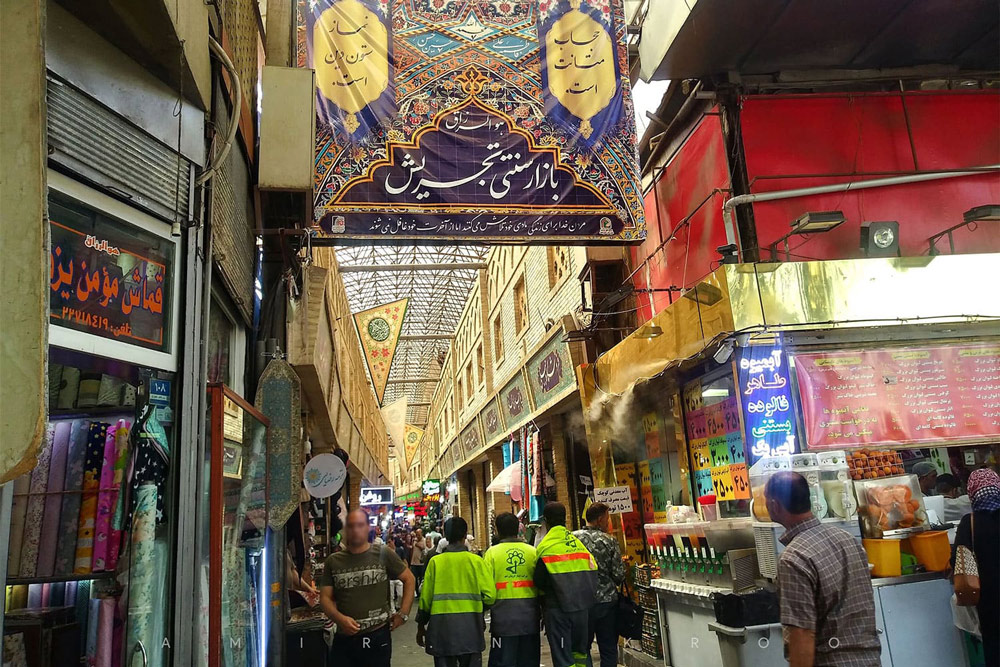
Explore Tehran’s Grand Bazaar and Tajrish Bazaar, with their shops, food stalls, and everyday market life.
Golestan Palace
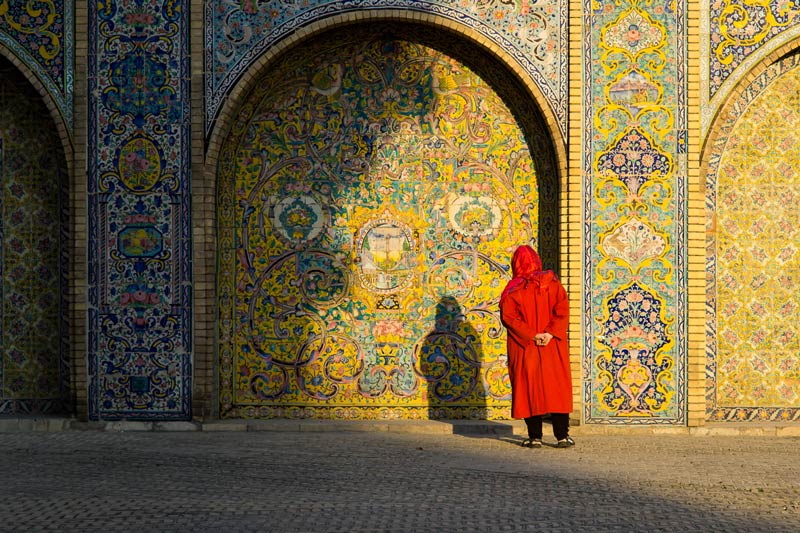
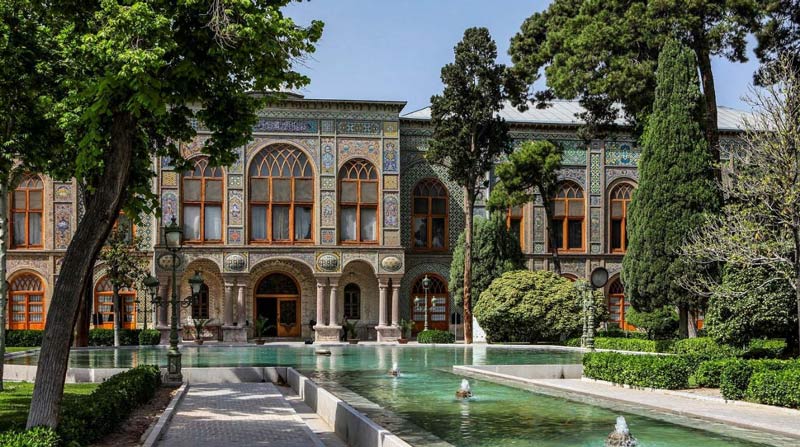
Discover Qajar-era architecture, decorative tilework, mirrorwork, and the history of Tehran as Iran’s capital.
Zurkhaneh
Witness traditional athletic exercises accompanied by drumming and learn about the customs associated with this historic practice.
Kashan’s Historic Houses
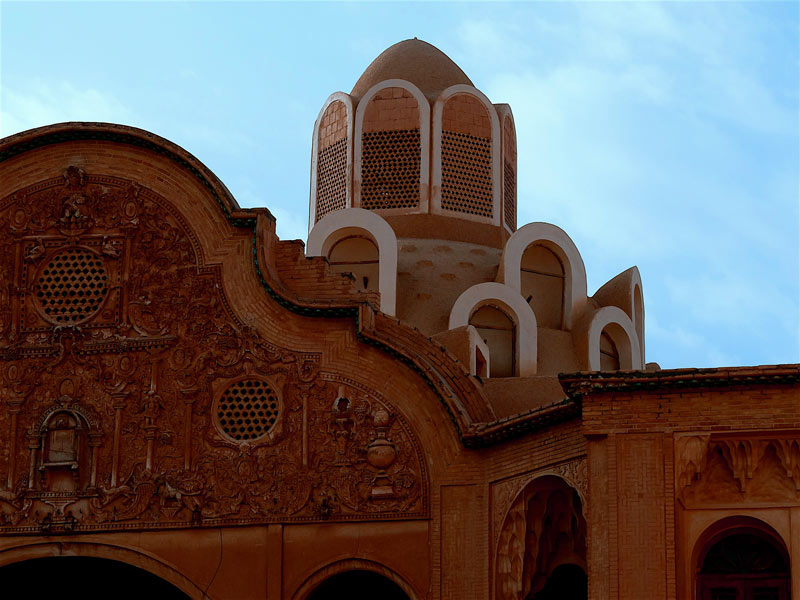
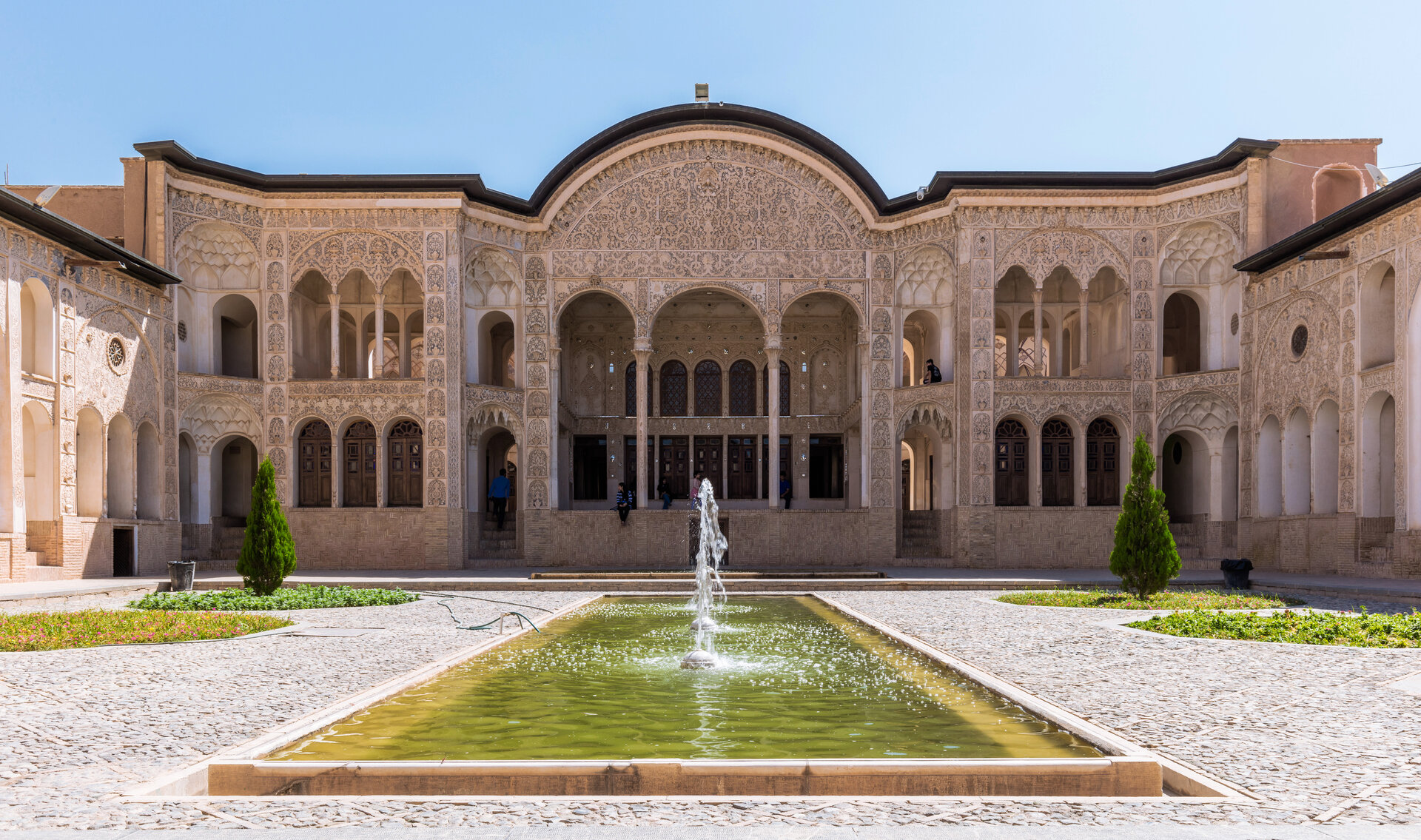
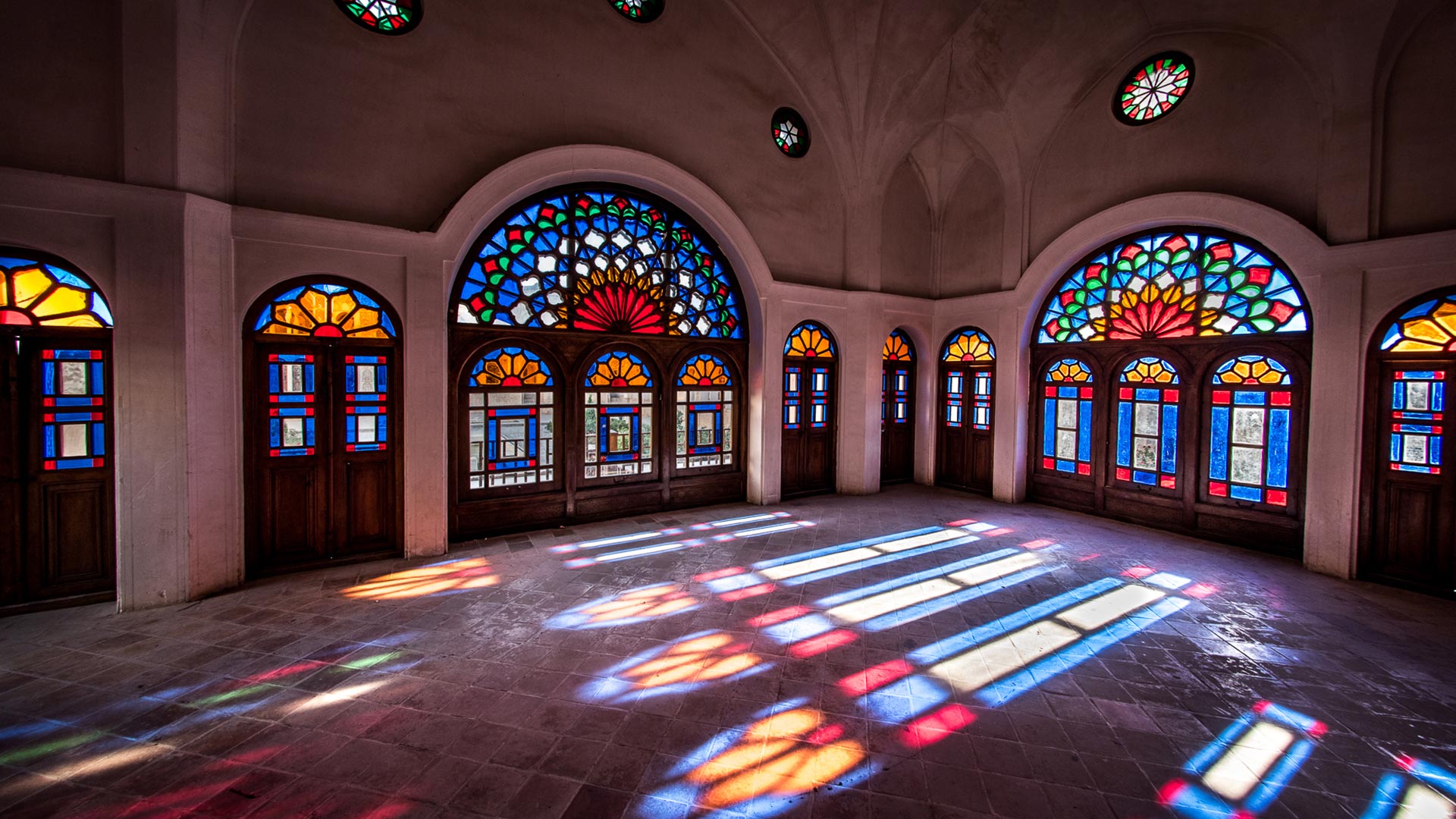
Visit Tabatabaei House and Borujerdi House to discover traditional courtyards, plasterwork, colored glass, and windcatchers.
Sialk Hills & Fin Garden
Explore an important archaeological site and one of Iran’s celebrated Persian gardens.
Naqsh-e Jahan Square
Visit Isfahan’s Safavid-era square, its mosques, Ali Qapu Palace, and the surrounding bazaar.
Isfahan’s Artisan Workshops
Meet miniature painters, calligraphers, engravers, and other craftspeople at work in traditional market spaces.
Naein’s Traditional Architecture
Discover the historic town, its Jameh Mosque, traditional lanes, and the craft traditions associated with central Iran.
Shiraz & Hafez
Visit Hafez’s tomb and discover Fal-e Hafez, the tradition of seeking a poetic fortune from his Divan.

A Typical Day
Every day combines living traditions with meaningful encounters.
Depending on the city, you’ll spend time with local craftspeople, explore traditional bazaars and historic neighborhoods, or visit architectural landmarks that provide context for Iran’s cultural heritage. The itinerary balances cultural encounters with sightseeing, leaving room to appreciate the places and people you meet along the way.
Day-by-Day Itinerary
DAY 1 — Welcome to Tehran
Arrive in Tehran and transfer to your boutique hotel.
Begin your journey with an introduction to Iran’s UNESCO Intangible Cultural Heritage and visit a traditional tea house where you’ll learn how storytelling, music, and hospitality remain central to Persian culture.
If arrival time allows, explore Tajrish Bazaar, a lively traditional market in northern Tehran. Its shops and food stalls offer a first glimpse of everyday life in the capital.
Accommodation: Boutique Hotel


DAY 2 — The House of Strength
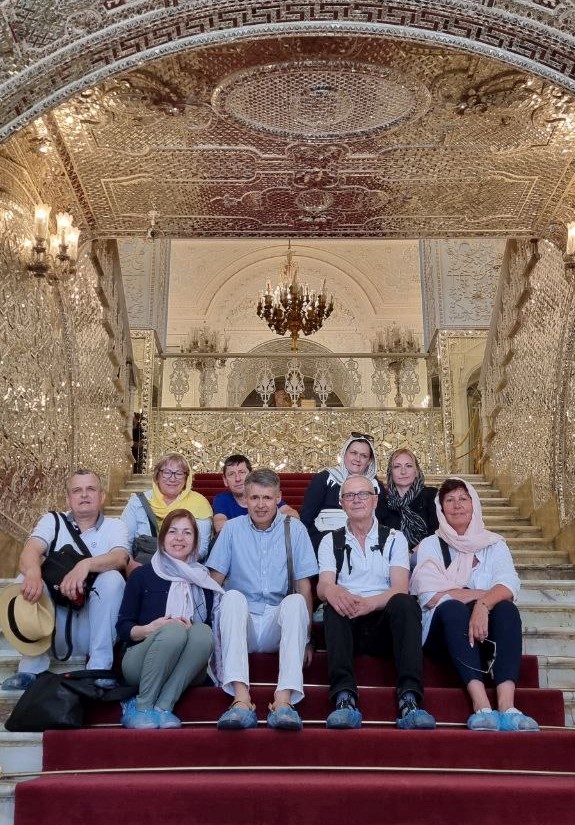
Visit Golestan Palace in the morning, exploring its royal halls, intricate tilework, and mirrorwork from the Qajar era.
Continue to the Carpet Museum of Iran, where you can discover the variety of Persian carpet designs, weaving techniques, and regional traditions.
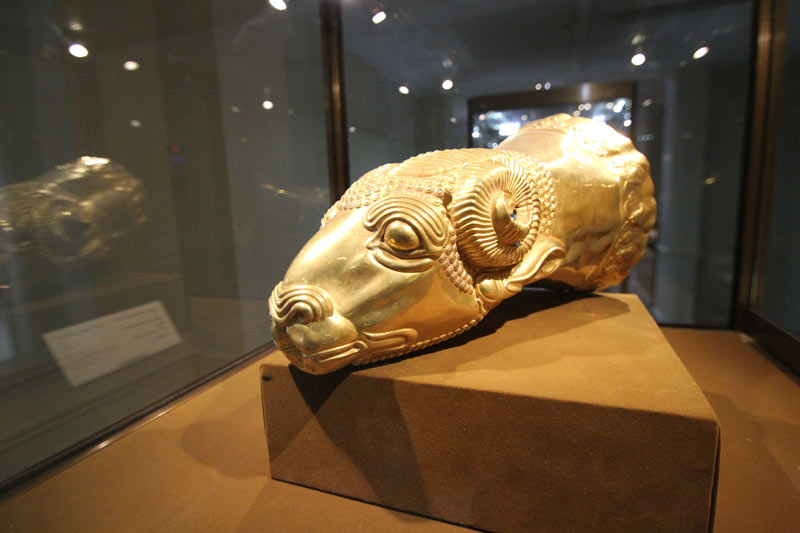
Next, visit the Reza Abbasi Museum, home to a rich collection of Iranian art, including paintings, calligraphy, ceramics, metalwork, and objects spanning different historical periods.
In the evening, visit a historic Zurkhaneh to watch a traditional athletic training session accompanied by rhythmic drumming. The visit should be scheduled according to the venue’s actual training times.
Accommodation: Boutique Hotel

-
- Golestan Palace – Tehran




DAY 3 — Crafts of Kashan
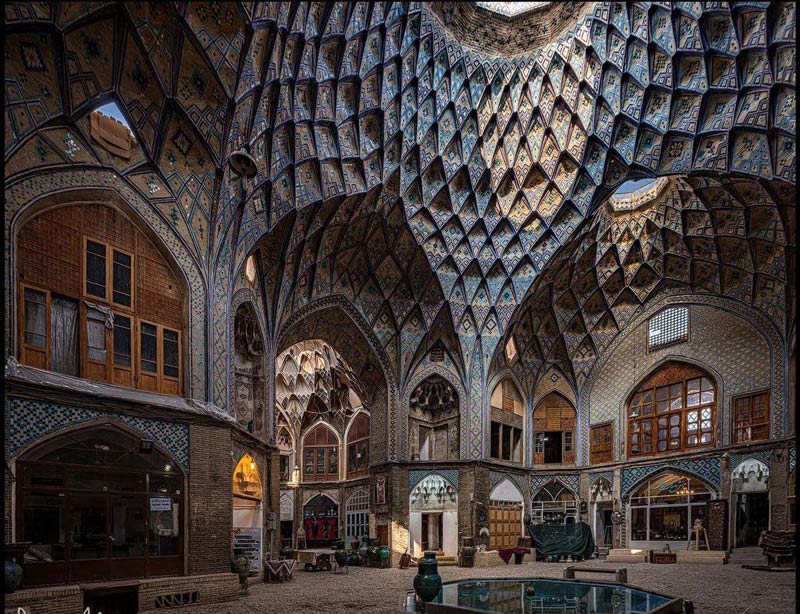
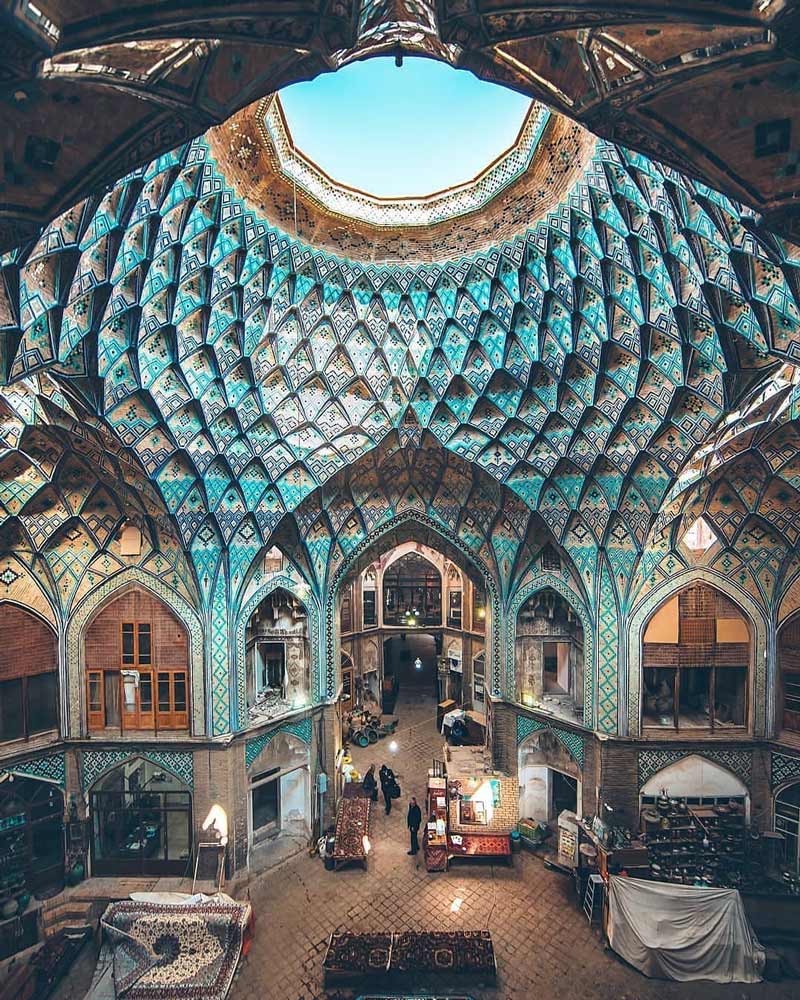
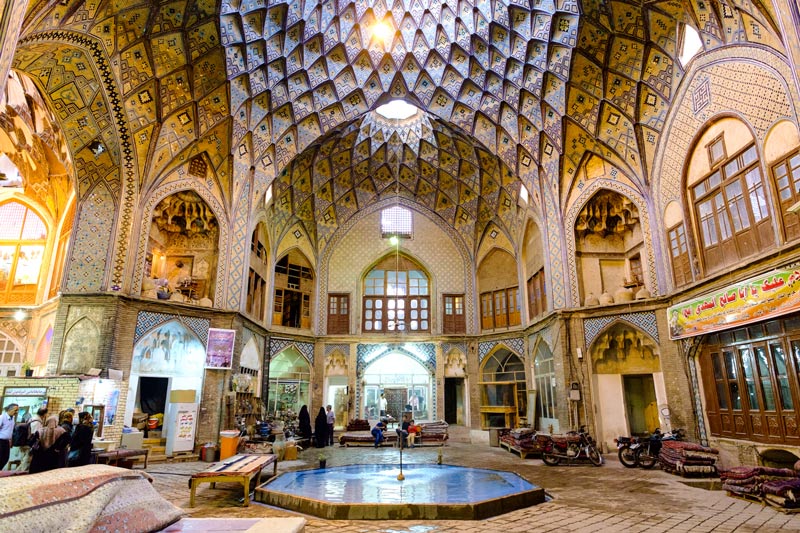
Explore Kashan’s historic bazaar and visit workshops where traditional crafts are still practiced. The bazaar is a good place to discover the relationship between local trade, family businesses, and handmade products.
Visit Amin al-Dowleh Timcheh, a remarkable market hall known for its high vaulted roof, brickwork, and central skylight. The space offers an impressive example of how architecture shaped the experience of traditional commerce.
Continue to Tabatabaei House or Borujerdi House, depending on the schedule. Their courtyards, decorative plasterwork, colored glass, and windcatchers show how traditional homes combined beauty, privacy, and practical responses to the desert climate.
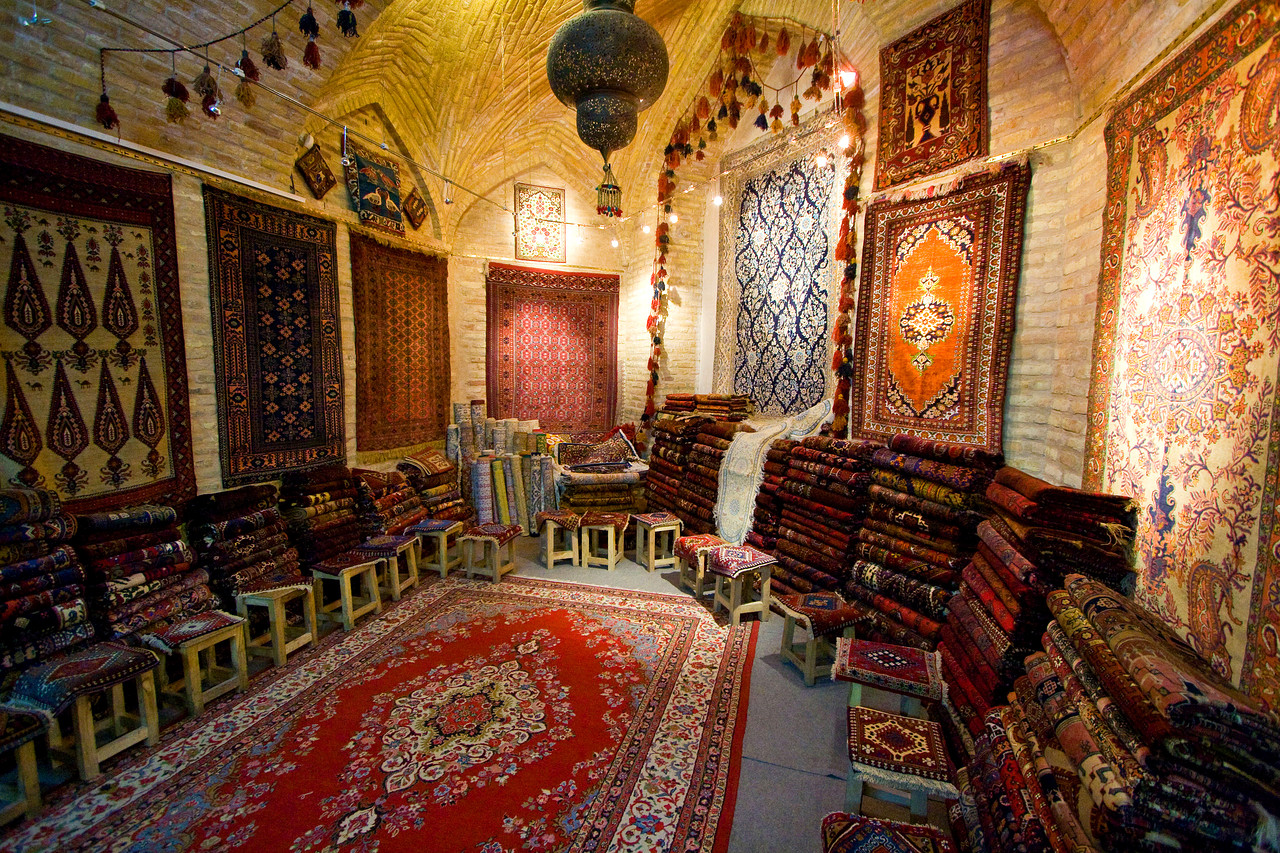
If available, visit a carpet workshop to observe the work involved in creating Persian rugs and learn about traditional patterns and weaving techniques.
Continue to Isfahan.
Accommodation: Boutique Hotel



DAY 4 — Music, Miniatures & Calligraphy
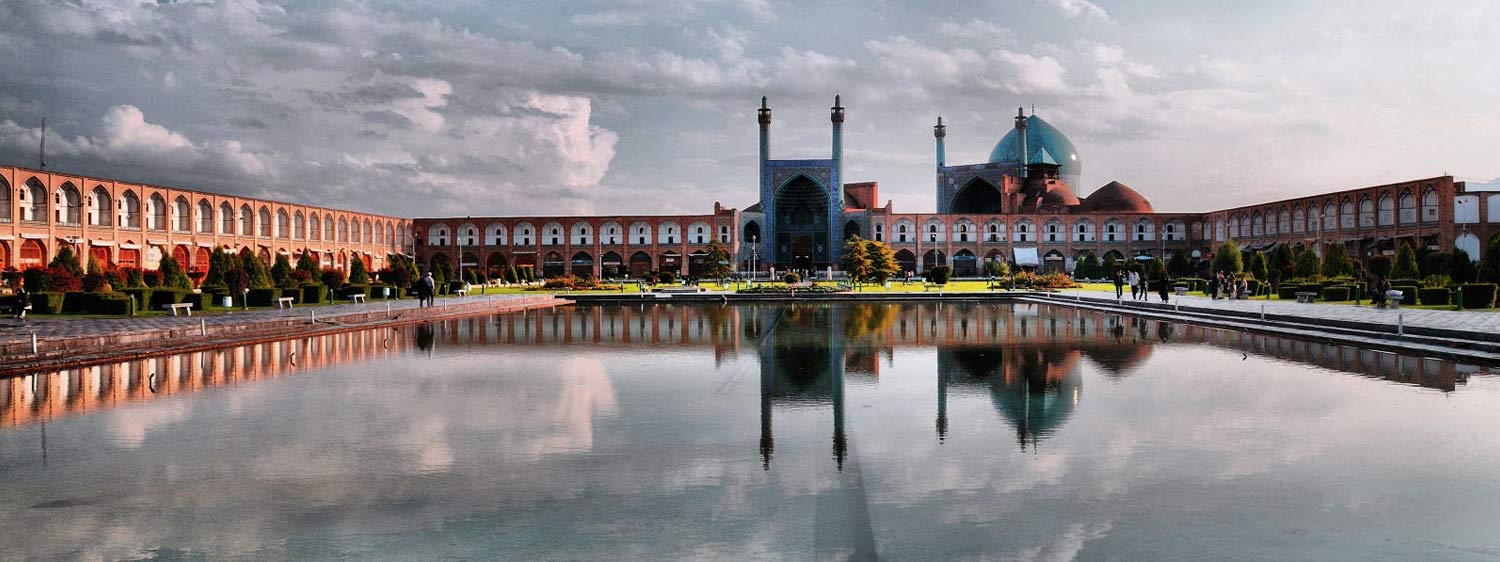
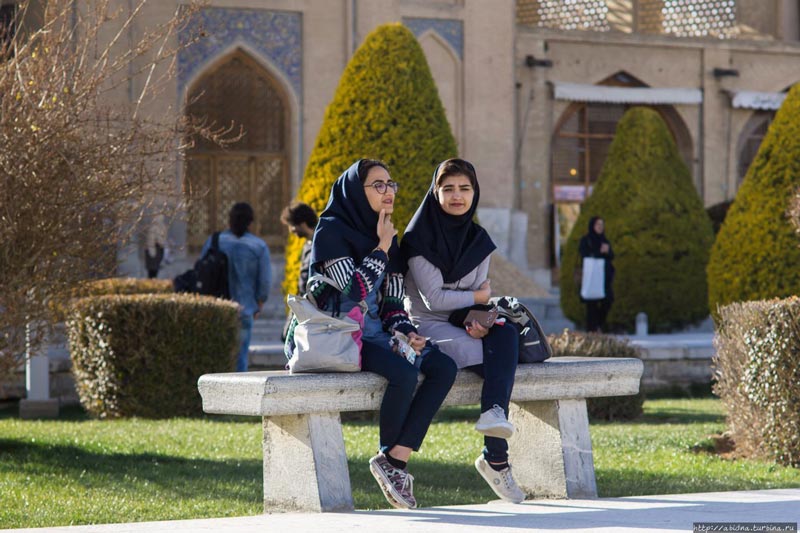
Spend the day exploring Isfahan’s artistic heritage, beginning with Naqsh-e Jahan Square, one of the city’s most important historic landmarks.
Visit Sheikh Lotfollah Mosque and Imam Mosque, both known for their intricate tilework and distinctive architecture. Continue to Ali Qapu Palace, which offers a glimpse into Safavid court life.
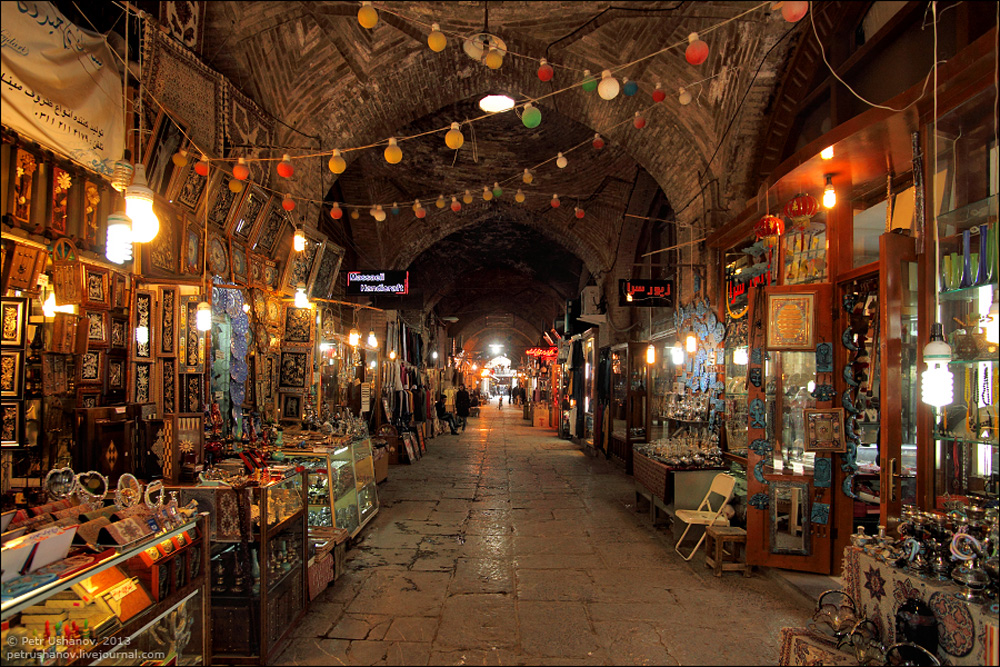
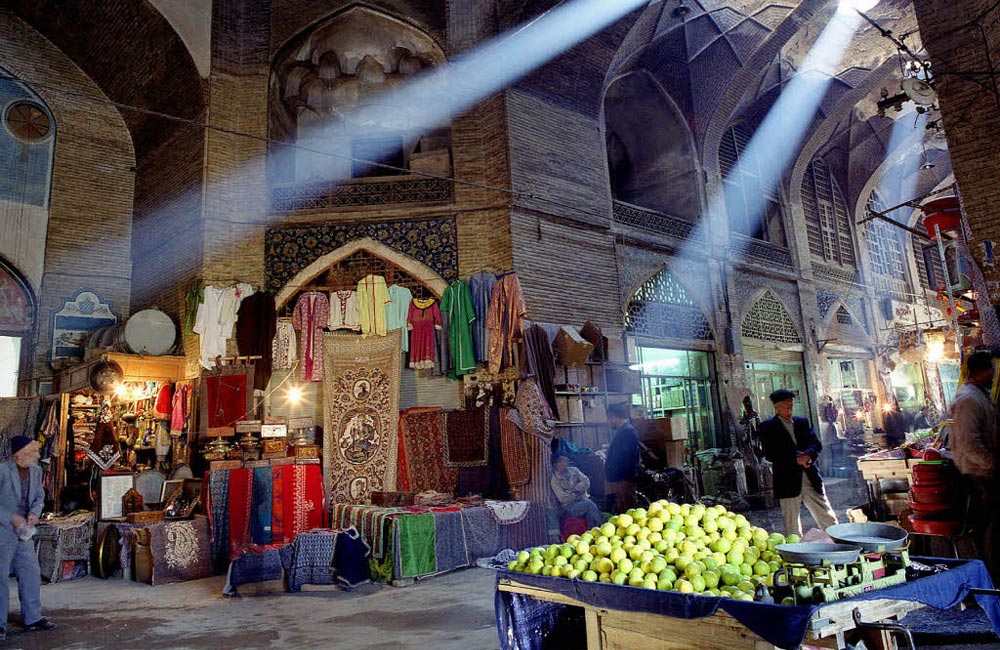
Explore the surrounding Naqsh-e Jahan Bazaar, where traditional crafts remain an important part of the market. Meet miniature painters, calligraphers, and metal engravers at their worktables when the workshops are open. You can observe their techniques and ask about the tools, materials, and skills involved in their work.
Look out for other Isfahani crafts, including khatamkari, enamelwork, and decorative tilework.
Accommodation: Boutique Hotel




DAY 5 — Naein & Traditional Iranian Craftsmanship
Travel to Naein, a historic town known for its traditional architecture and long-standing craft traditions.
Visit the Jameh Mosque of Naein, one of the town’s most important historic buildings. Its architectural details offer a glimpse into the development of early Islamic architecture in Iran.
Walk through the old town and explore its traditional lanes and buildings. Depending on local availability, the visit can include an introduction to traditional textile production and other crafts associated with the region.
Continue toward Shiraz. As this is a long transfer, the exact timing of the Naein visit depends on road conditions and the group’s schedule.
Accommodation: Boutique Hotel


DAY 6 — Living Traditions of Shiraz
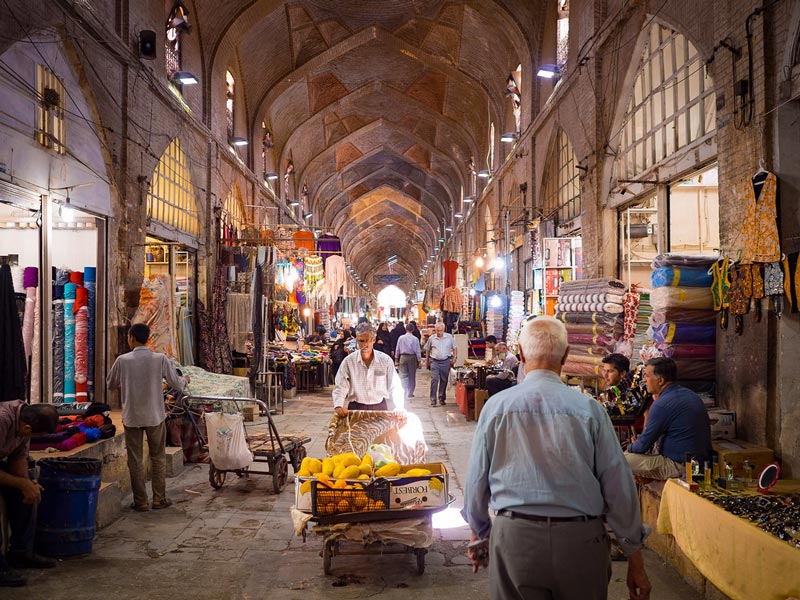
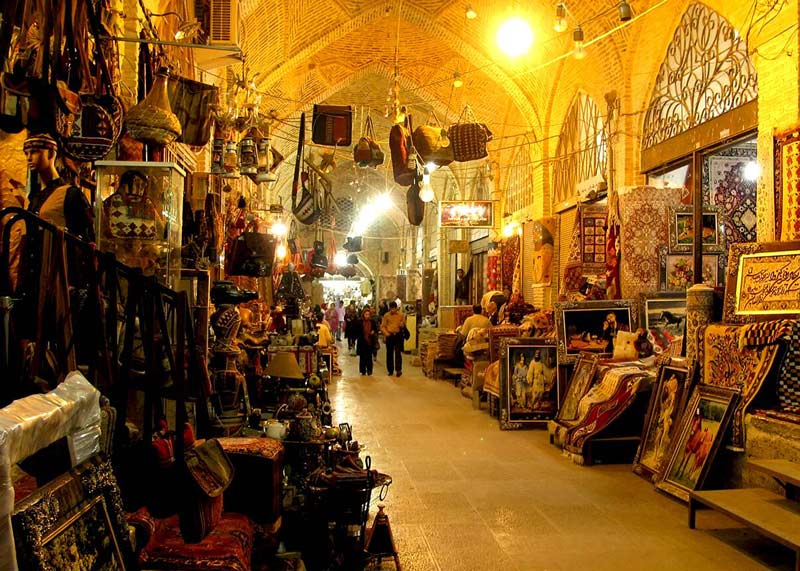
Explore Shiraz’s historic neighborhoods and traditional markets. Visit Vakil Bazaar, where covered lanes, small shops, and traditional products offer a close look at the city’s commercial life.
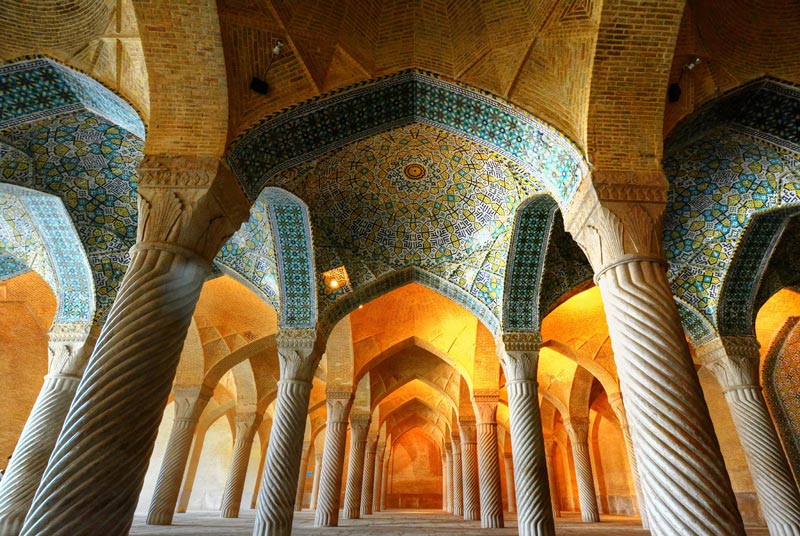
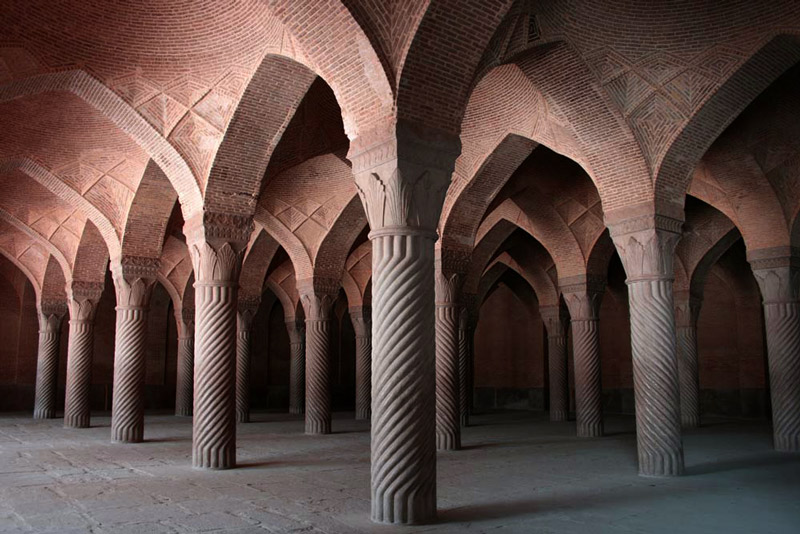
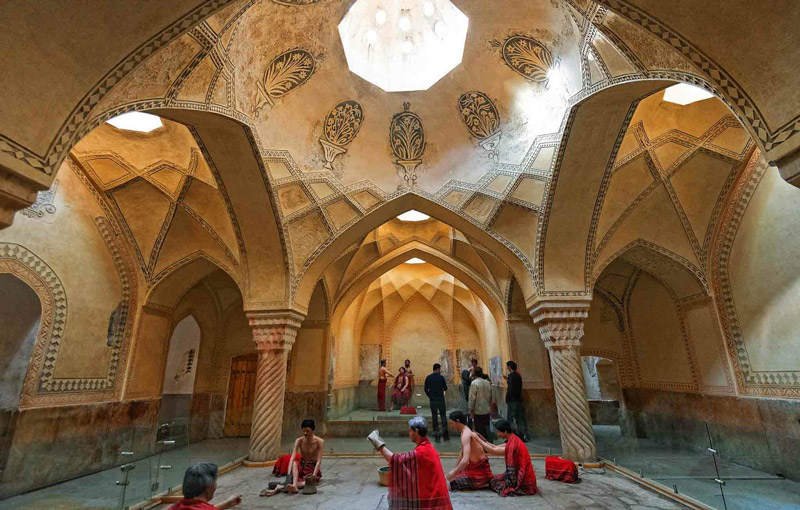
Continue to the Vakil Mosque and, if time allows, the Vakil Bathhouse, both associated with the Zand period. Their architecture and decorative details provide a different perspective on Shiraz’s history.
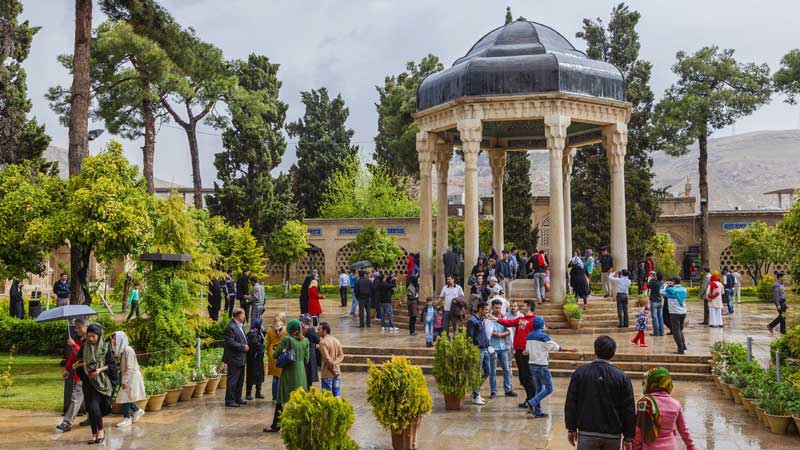
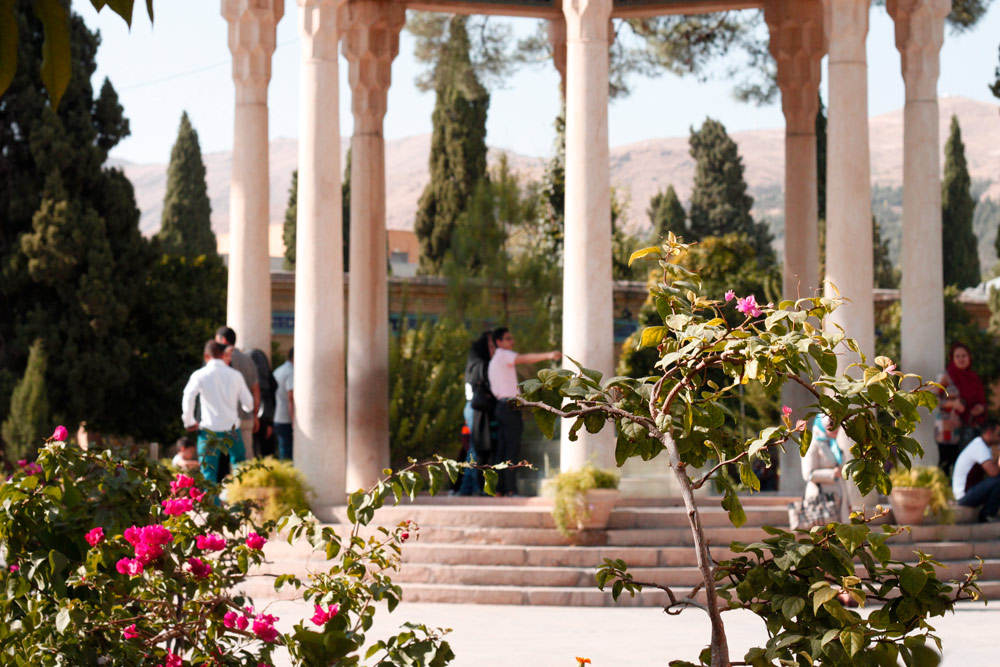
Later, visit the Tomb of Hafez, where Persian poetry remains part of everyday culture. Learn about Hafez’s place in Iranian life and the tradition of Fal-e Hafez, in which people open his Divan to seek guidance or a poetic fortune.
Accommodation: Boutique Hotel






DAY 7 — Heritage Through Everyday Life
Spend your final full day in Shiraz exploring its gardens, architecture, and literary heritage.
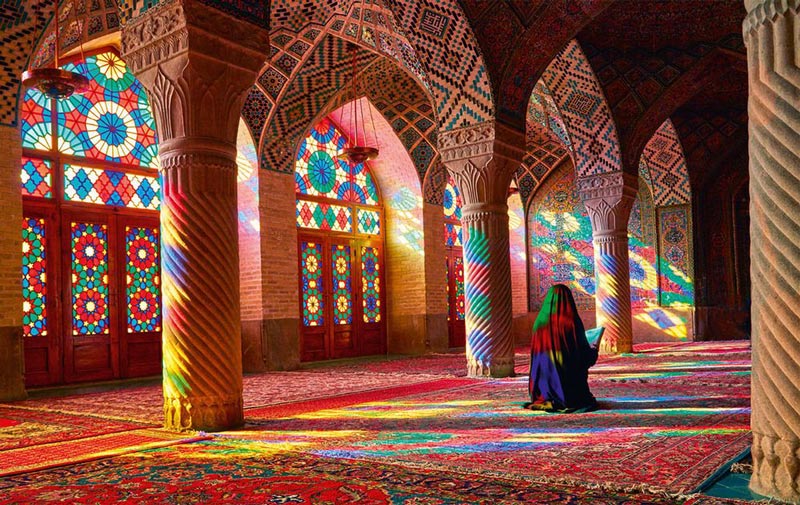
Start with Nasir al-Mulk Mosque, famous for its stained-glass windows, which cast colorful patterns across the prayer hall in the morning light.
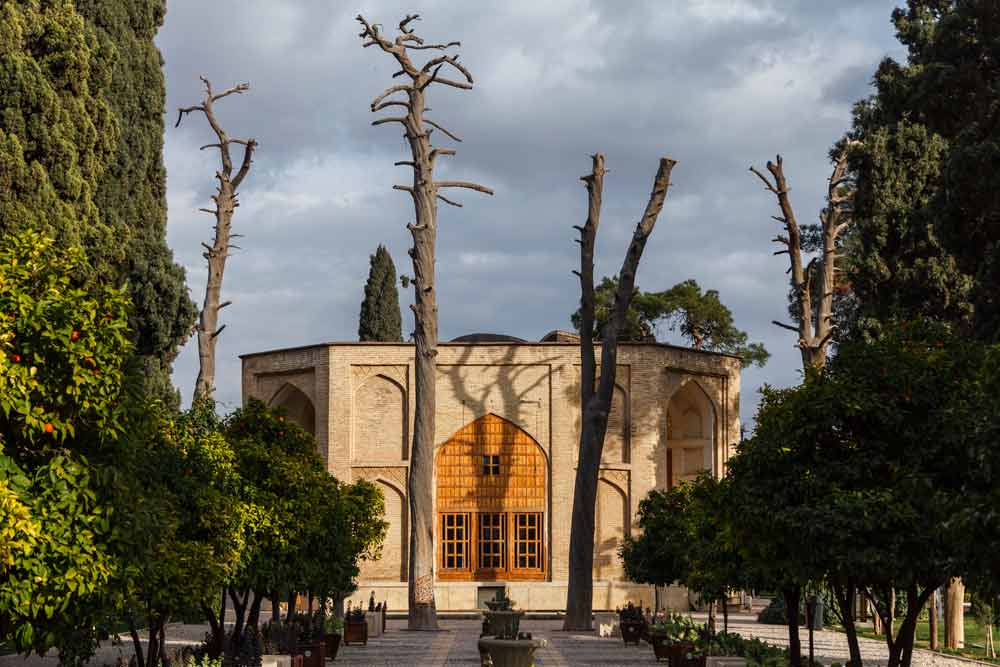
Continue to Eram Garden, a historic Persian garden known for its cypress trees, landscaped grounds, and Qajar-era mansion. Then visit Jahan Nama Garden, one of Shiraz’s historic gardens, offering a peaceful setting among trees and traditional Persian landscaping.
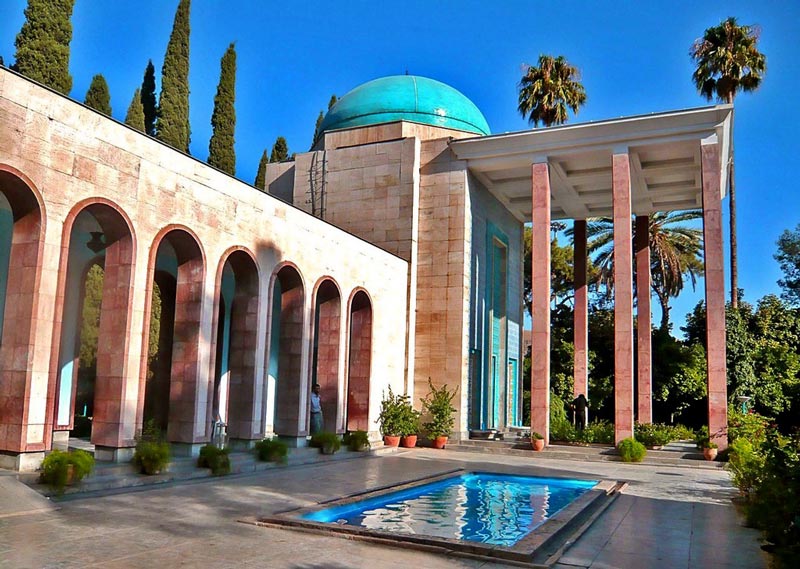
Finish at Saadi’s Tomb, the resting place of one of Persia’s most celebrated poets. His writings explore human relationships, ethics, and social life, and remain an important part of Iranian literary culture.
Accommodation: Boutique Hotel




DAY 8 — Departure
Enjoy breakfast before your transfer to the airport.
Leave with a deeper appreciation of the traditions, people, and skills that continue to shape Iranian culture today.
What You’ll Actually Experience
This tour is about people as much as places.
You’ll hear the powerful rhythm of the Zurkhaneh drum, sit beside artisans who have spent years mastering their craft, and discover workshops where traditional techniques are still practiced by hand.
You’ll also walk through historic bazaars, explore traditional houses, and experience the connection between architecture, craftsmanship, and daily life in Iran.
Rather than observing culture from a distance, you’ll encounter traditions as living practices that remain woven into everyday life.
Iran’s Living Cultural Heritage
Monuments tell the story of Persia’s past, but its intangible heritage reveals how that history continues today.
The discipline of Zurkhaneh athletes, the steady hands of miniature painters, the precision of carpet weavers, and the work of traditional craftspeople all demonstrate how knowledge is preserved through practice and passed from one generation to the next.
This is the Iran that many visitors never see.
Practical Information
Best Time to Travel
March–May and September–November are generally the most comfortable seasons for this journey. Spring is especially pleasant for gardens and historic neighborhoods, while autumn is well suited to walking through bazaars and traditional towns. Summer can be hot in central Iran, so early starts are useful for outdoor sightseeing.
Clothing & Cultural Etiquette
Public clothing in Iran follows a modest dress code. Women should wear a headscarf and clothing covering the arms and legs; men should avoid shorts in public spaces. At religious sites, follow your guide’s advice on local etiquette. Ask before photographing artisans, their work, or other visitors.
Walking & Transportation
The tour includes walking through bazaars, historic houses, gardens, mosques, and traditional neighborhoods. Comfortable walking shoes are recommended. The journey from Naein to Shiraz is a long transfer, so the number of stops that day depends on road conditions and the time available.
What’s Included in the Tour
Included
- Selected boutique hotel accommodation according to the itinerary
- Daily breakfast
- Transportation according to the itinerary
- English-speaking local guide
- Entrance fees to included attractions
- Airport reception and transfers according to the itinerary
- Local travel support throughout the tour
Not Included
- International flights
- Personal expenses
- Lunches and dinners unless stated
- Travel insurance
- Visa-related costs
Who Is This Tour For?
This tour is a good fit if you:
- Want to experience Iranian culture beyond its famous monuments
- Are interested in traditional crafts, Persian art, and handmade carpets
- Enjoy historic cities, bazaars, gardens, and traditional architecture
- Want to observe artisans at work and learn about their techniques
- Are interested in Persian poetry, music, and everyday cultural traditions
- Prefer a guided cultural journey combining local encounters with historical sightseeing
Things to consider
This is a cultural sightseeing tour rather than an adventure tour. It includes walking through historic sites and markets, as well as a long transfer between Naein and Shiraz. Travelers who prefer a slower pace can discuss adjustments to the itinerary before booking.
Can This Tour Be Customized?
Yes. The itinerary can be adjusted around your travel dates, interests, preferred pace, and accommodation level. You can spend more time in Isfahan’s craft workshops, add extra time in Kashan, or extend your stay in Shiraz for additional visits to its gardens, bazaars, and cultural sites.
Frequently Asked Questions
Is this tour focused only on UNESCO-listed traditions?
No. The tour focuses on living cultural heritage while also including historic houses, bazaars, gardens, mosques, and traditional architecture that provide context for Iran’s culture and history.
Will I meet traditional artisans?
The itinerary includes visits to traditional craft areas and opportunities to observe artisans at work. The specific craftspeople available may vary according to workshop schedules.
Will I see a Zurkhaneh ceremony?
A Zurkhaneh visit is planned in Tehran, subject to the venue’s training schedule. The visit should be confirmed in advance because ceremonies do not necessarily take place throughout the day.
Can I visit traditional bazaars?
Yes. The itinerary includes opportunities to explore bazaars in Tehran, Kashan, Isfahan, and Shiraz, each with its own architecture, products, and atmosphere.
Will I have time to visit Hafez’s tomb?
Yes. The itinerary includes a visit to Hafez’s tomb in Shiraz, where you can learn about his poetry and the tradition of Fal-e Hafez.
When is the best time for this tour?
Spring and autumn are generally the most comfortable seasons for visiting Tehran, Kashan, Isfahan, Naein, and Shiraz.
Can the tour be made slower or longer?
Yes. You can add nights, reduce the number of daily visits, or adjust the balance between historical sightseeing and cultural experiences.
Discover Iran through the people, places, and traditions that continue to shape its culture. Contact our local Iran Travel Agency to discuss your dates and tailor the itinerary to your interests.