A journey to understand Shia Islam in a land where Islam and Iranian culture have developed alongside one another for more than a thousand years; from Iran’s historic and literary cities to important Shia pilgrimage centers, from Safavid architecture and religious rituals to the living experience of pilgrimage in Mashhad and Qom.
Tour Route: Tehran → Qom → Kashan → Isfahan → Shiraz → Mashhad → Tehran
Suitable For: Travelers who want to see Iran while also gaining a close understanding of Shia Islam, its history, and its place in Iranian culture.
Best Time to Travel: 🌿 Spring 🍂 Autumn
From: 1590
Tour Overview
This journey is not simply a pilgrimage tour, and the aim is not to see Iran only from behind the doors of religious sites.
Throughout the journey, we follow the history of Iran and Shia Islam alongside one another; from pre-Islamic Iran and its cultural heritage, to the arrival of Islam and the formation of different Islamic traditions in Iran, and finally to the emergence of Safavid Iran and the transformation of Twelver Shia Islam into an important part of the country’s historical and cultural identity.
The journey begins in Tehran and then continues to Qom, Kashan, Isfahan, and Shiraz; cities that each reveal a different part of this story. At the end, we fly to Mashhad, Iran’s most important Shia pilgrimage destination and a city where the name of Imam Reza is intertwined with its history, architecture, pilgrimage, and the everyday life of its people.
But what makes this journey different is not simply the number of shrines. Along the way, you will also encounter Persian literature, Sufism, architecture, art, religious rituals, and the way Iranians experience pilgrimage.
The purpose of this tour is not to tell you what to believe. The purpose is to provide an opportunity to see Shia Islam from within a society that has lived with it for centuries; through its stories, beliefs, arts, rituals, and even the questions that have emerged between Iran and Islam throughout history.
Ultimately, this is a journey to see Iran from a different perspective: Shia Iran, but in all its cultural and historical complexity.

Shia Islam in Iran
Why did Iran, with its distinct historical and cultural background, ultimately embrace Islam, while before that the Greeks had ruled parts of it and centuries later the Mongols also brought the whole of Iran under their rule? Yet Iranian religion, culture, and language did not disappear in the face of these changes.
The answer cannot be found simply in the conquest of Iran. For Iranians, Islam was not merely a religion that entered the country alongside a new political power. Many of the ethical concepts and elements of Islamic worldview, including justice, judgment after death, reward and punishment, and the idea of a savior, were not entirely unfamiliar to a society that had already been familiar with such questions about the fate of human beings and the world before Islam.
Among the different Islamic movements, Shia Islam had a special connection with the Prophet’s family. The position of Ali and his descendants, the concept of Imamate, and the historical narrative of the suffering and struggle for justice of the Prophet’s family gradually became connected in Iran with parts of the intellectual and cultural traditions of the land.
This did not happen overnight. The relationship between Iranians and the Prophet’s family began in the early centuries of Islam and expanded over the centuries as Shia communities and centers developed in different parts of Iran. The presence and martyrdom of some of the Prophet’s descendants in Iran also contributed to the formation and strengthening of this connection. Qom, Ray, Nishapur, Sabzevar, and Kashan gradually became important centers of Shia activity.

Abbas Al-Musavi, Battle of Karbala, Late 19th-early 20th century
In the 10th century CE, with the rise of the Buyids, Shia Islam became an important political force in parts of Iran for the first time. After the fall of the Buyids and the rise of the Sunni Seljuks, some Shia movements faced greater pressure and suppression. During this period, the Ismailis followed a different path. Hassan-i Sabbah, one of the leaders of the Ismailis, turned Alamut Castle in the Alborz Mountains into the center of his activities in 1090 CE and established a network of mountain fortresses against the Seljuks. Alamut became one of the most important chapters in the history of Ismaili Shia Islam in Iran; a movement that was different from Twelver Shia Islam.
Several centuries later, with the emergence of the Safavids, the course of Iranian history changed. In 1501 CE, Shah Ismail I declared Twelver Shia Islam the official religion of his state, and Shia Islam, from a religious movement with a long history, became a foundation of Iran’s political and religious structure.
During this period, Iran was not merely a recipient. Iranians also played a major role in the development of Islamic civilization. Iranian scholars, poets, philosophers, and mystics gave new forms to Islamic language and culture, and Persian became one of the most important languages of the Islamic world.
For this reason, the history of Iran after Islam cannot be understood as a story of one culture replacing another.
Islam changed Iran; but over the centuries, Iran also experienced and expressed Islam in its own Iranian way.
This transformation can be seen throughout the journey: in the heritage of ancient Iran, in Persian literature, in Sufism, in Safavid Shia Islam, and ultimately in the cities and shrines that today form an inseparable part of Iranian culture.
Tour Highlights
Modern Tehran
At the end of the journey, experience a few hours of contemporary Iran in Tehran, including its cafés, Tabiat Bridge, and urban atmosphere.
Iranian Food & Everyday Life
Experience local food in different cities and become familiar with the culture of hospitality, the shared table, and Nazri offerings.
Traditional Iranian Life & Architecture
Historic houses in Kashan, Persian gardens, bazaars, and experiencing life in the old urban quarters.
Hafez & Saadi
Discover two of Shiraz’s great poets and the place of poetry, love, ethics, and mysticism in Iranian culture.
Iranian Wisdom & Thought
From Islamic philosophy and wisdom in Isfahan to mysticism and Persian literature in Shiraz.
Pre-Islamic Iran
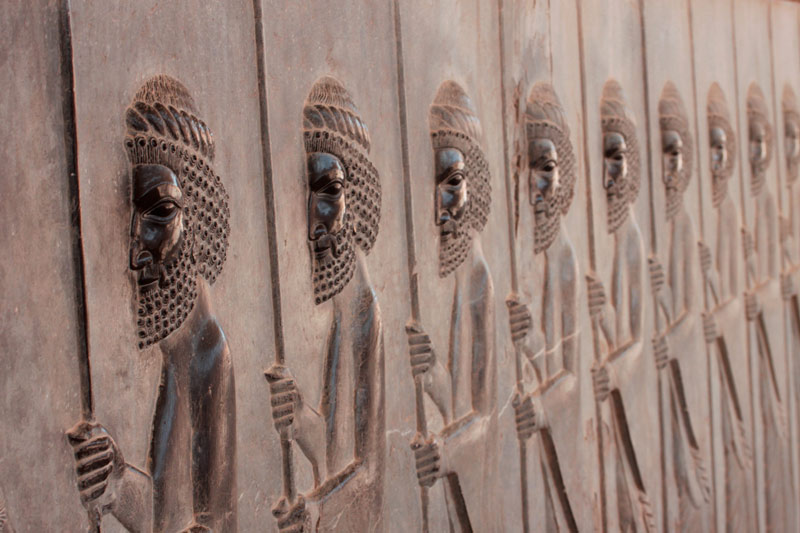
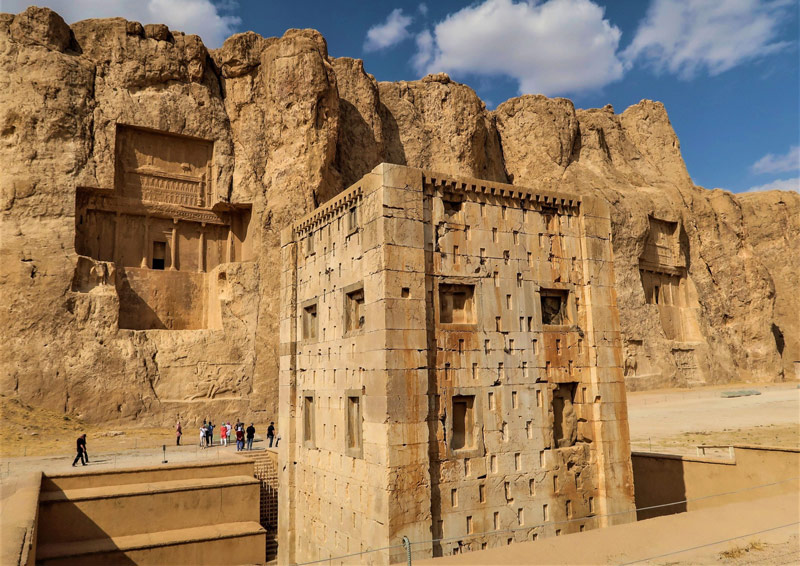
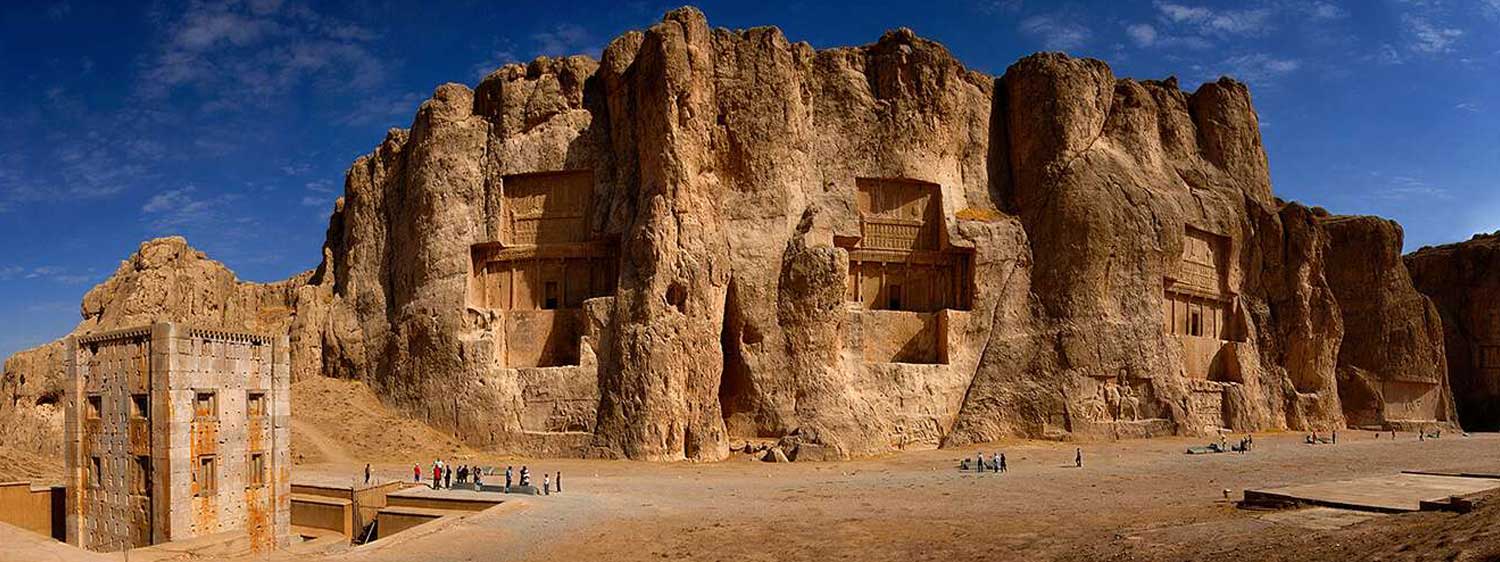
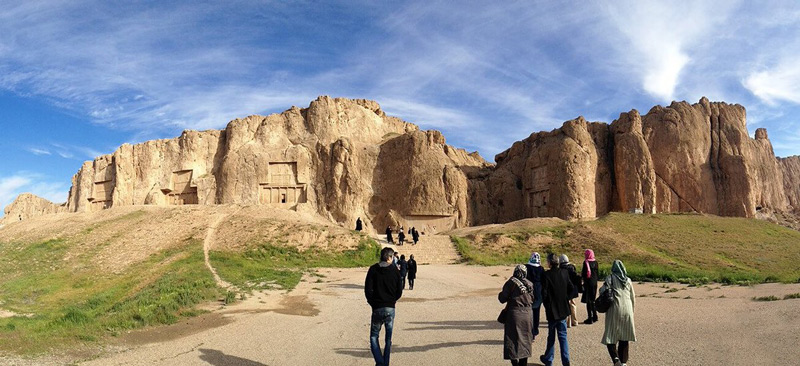
Pasargadae, Naqsh-e Rostam, and Persepolis, with an introduction to the historical and cultural roots of pre-Islamic Iran.
Ferdowsi & the Shahnameh
Discover Iranian mythology, heroes, epic traditions, and the concept of “Dad” in the Shahnameh.
Safavid Iran & Islamic Architecture
Naqsh-e Jahan Square, mosques, palaces, and the architecture of Isfahan; a place where Shia Islam and Iranian art developed together in a new form.
Pilgrimage & Understanding Shia Islam
Experience the shrines of Qom, Shah Cheragh, and Imam Reza and become familiar with the living culture of pilgrimage in Iran.

Itinerary – Day by Day
We do not follow this historical story only through books during the journey. Each city reveals a part of it through its buildings, shrines, literature, art, and the everyday life of its people. We begin the journey in Tehran and follow this historical and cultural path step by step.
DAY 1 — Arrival in Tehran
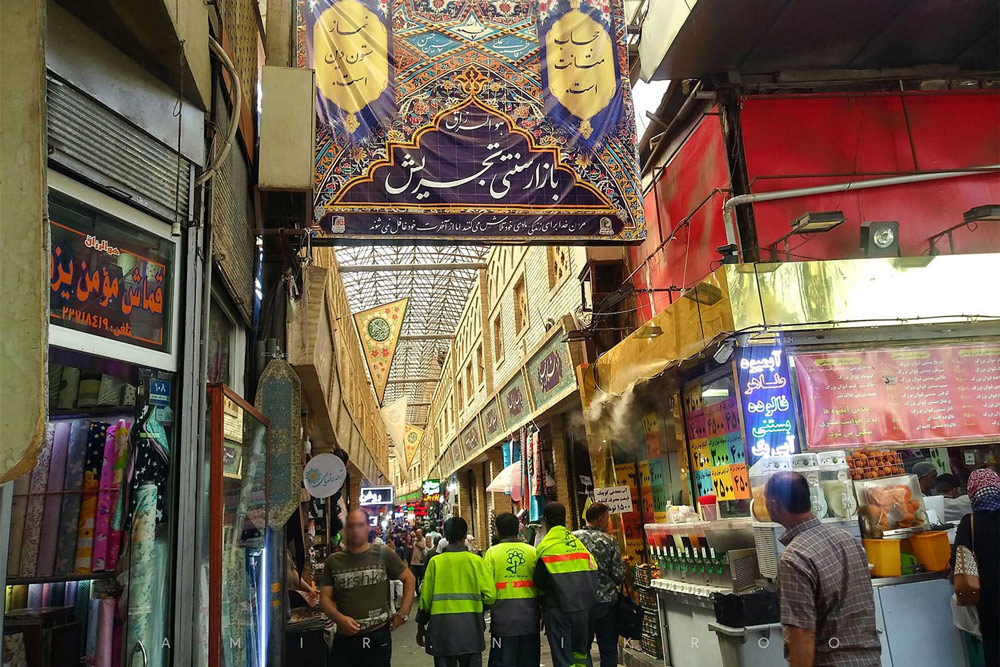
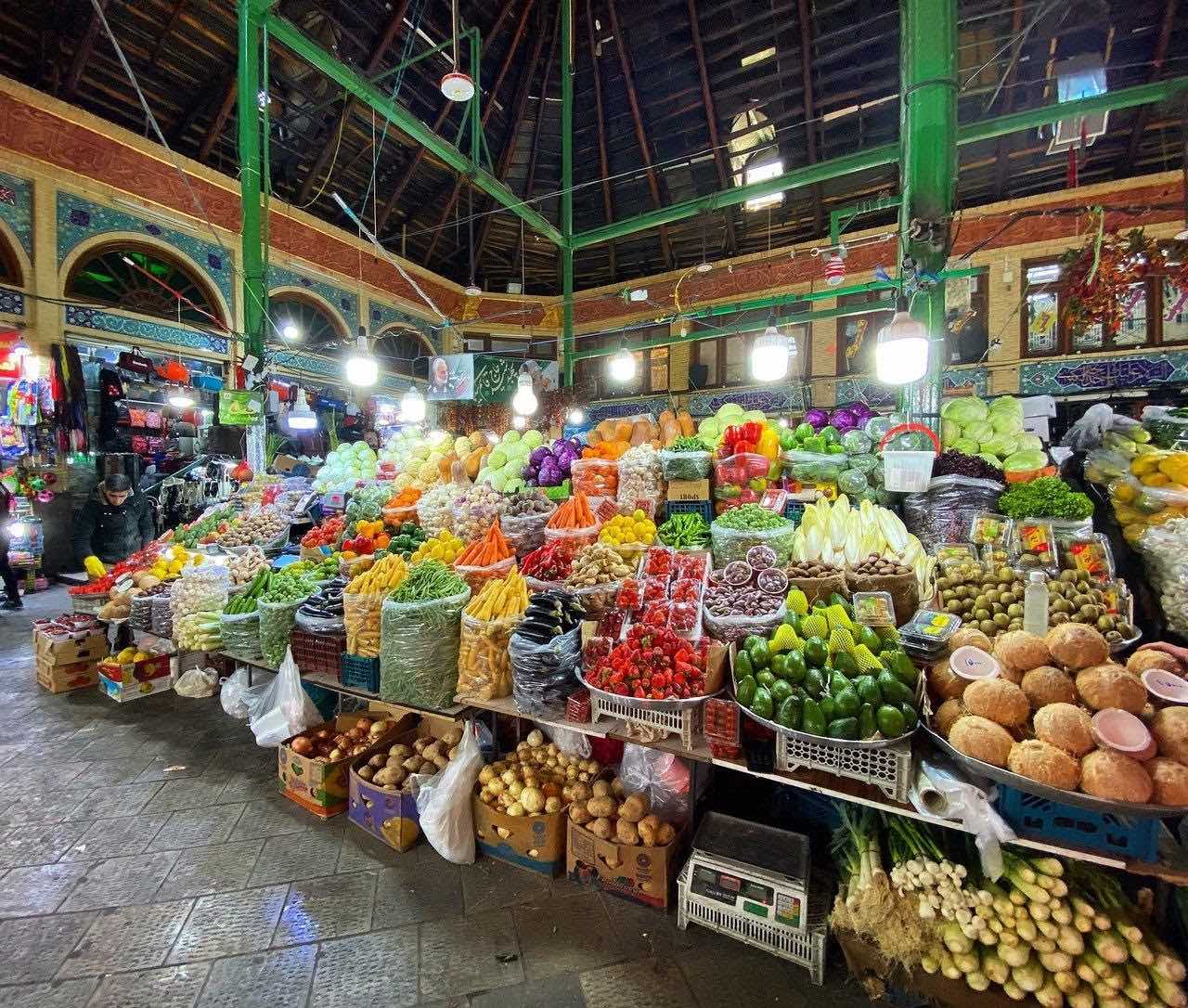
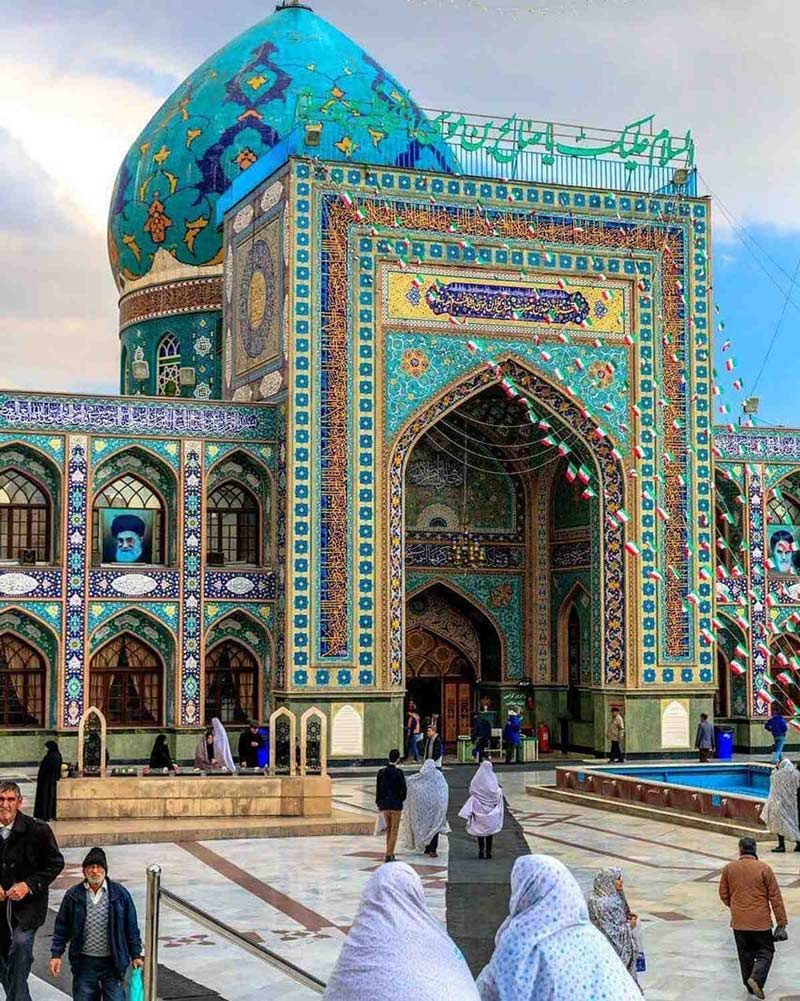
Arrive in Tehran and transfer to the hotel. After some time to rest, we begin the afternoon in Tajrish, one of the old and lively neighborhoods of northern Tehran.
At Imamzadeh Saleh, we become familiar with one of Tehran’s best-known shrines, its architecture, and its religious atmosphere. We then walk through Tajrish Bazaar, a traditional and lively market where, alongside its old shops and stalls, part of the everyday life of Tehran’s people continues to take place.
We end the day in Tajrish and return to the hotel to rest.
Accommodation: Tehran
DAY 2 — Tehran; History & Culture
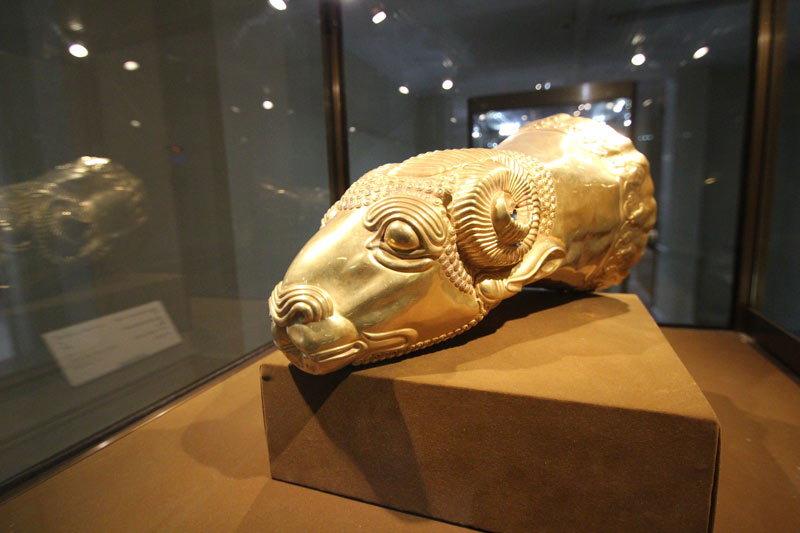
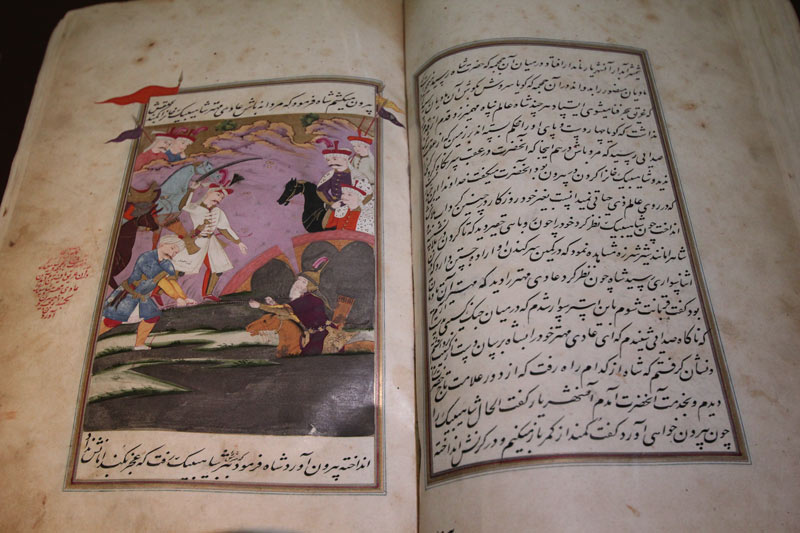
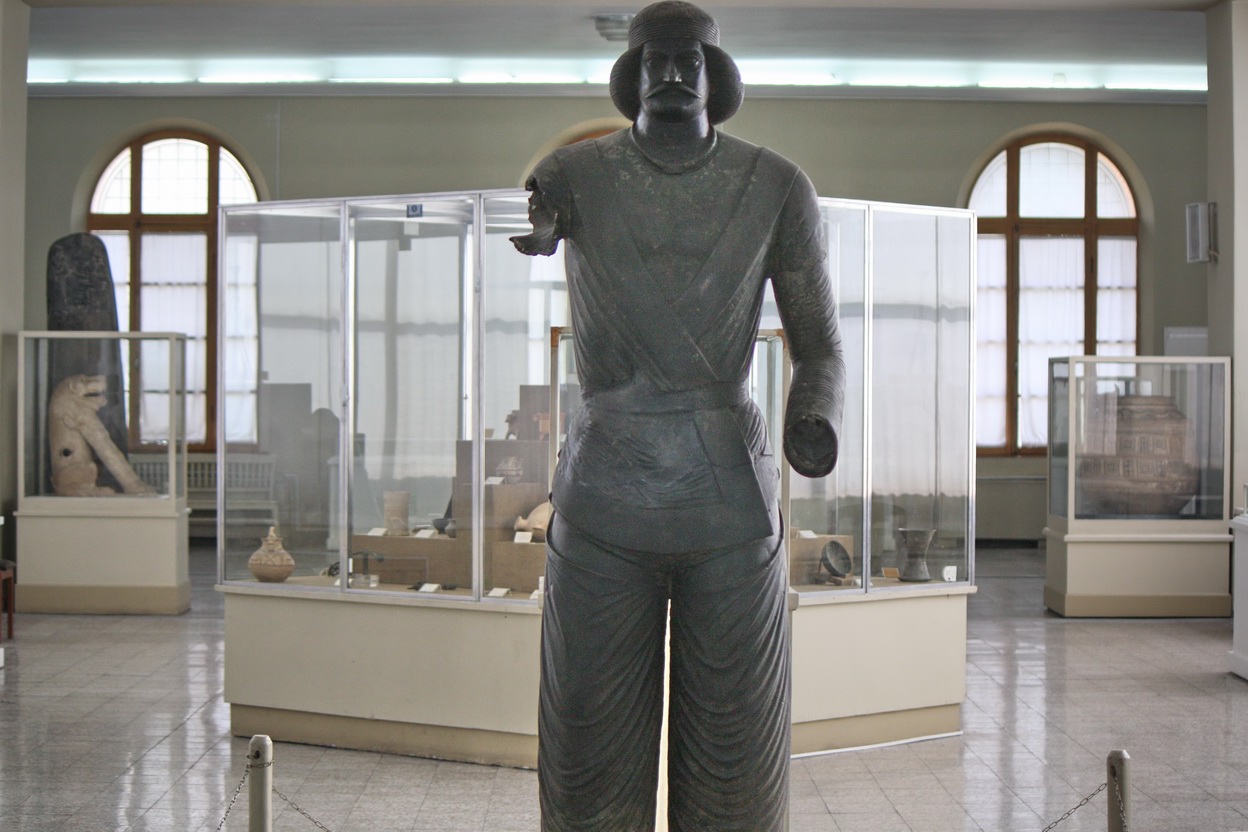
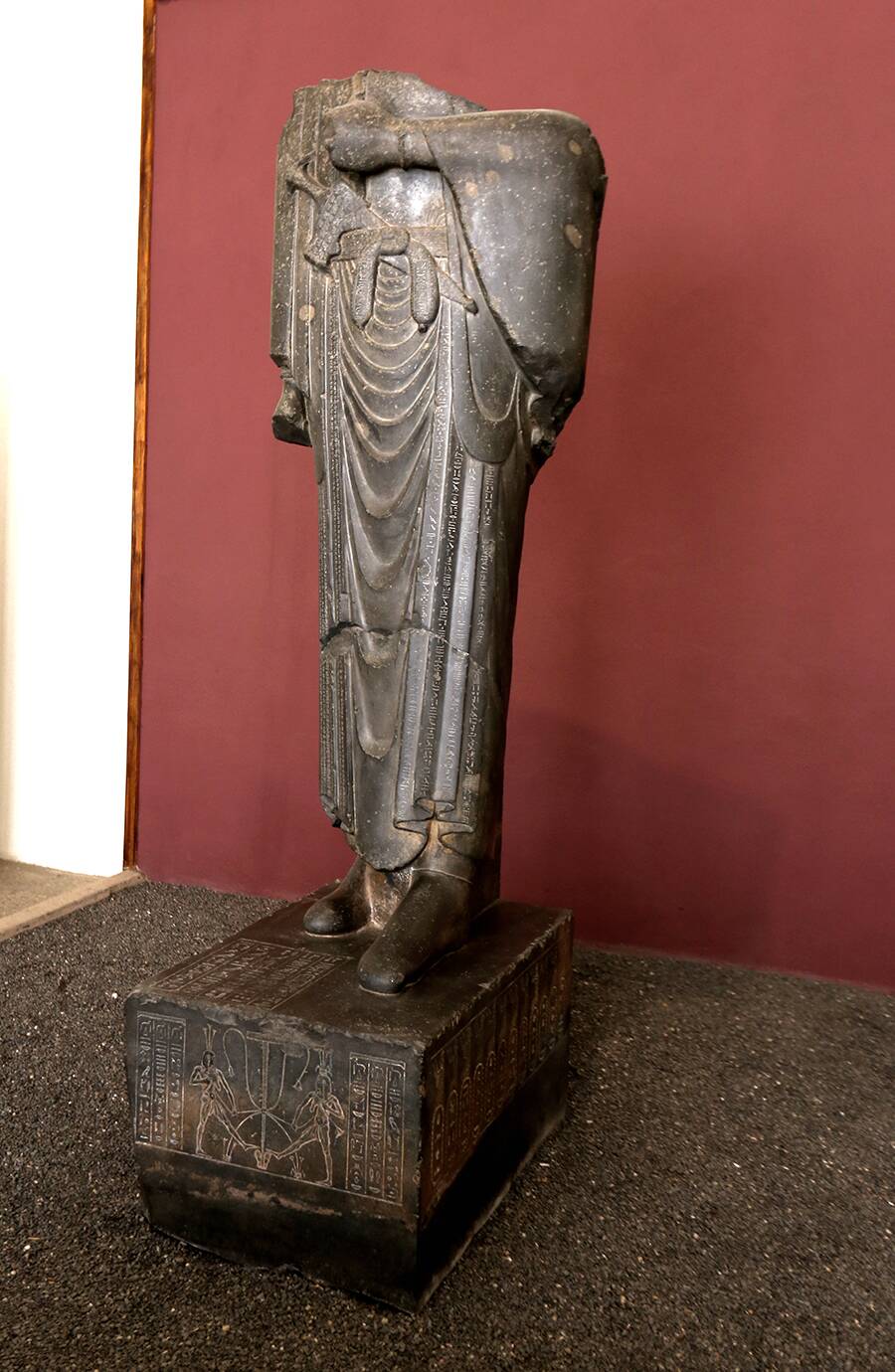
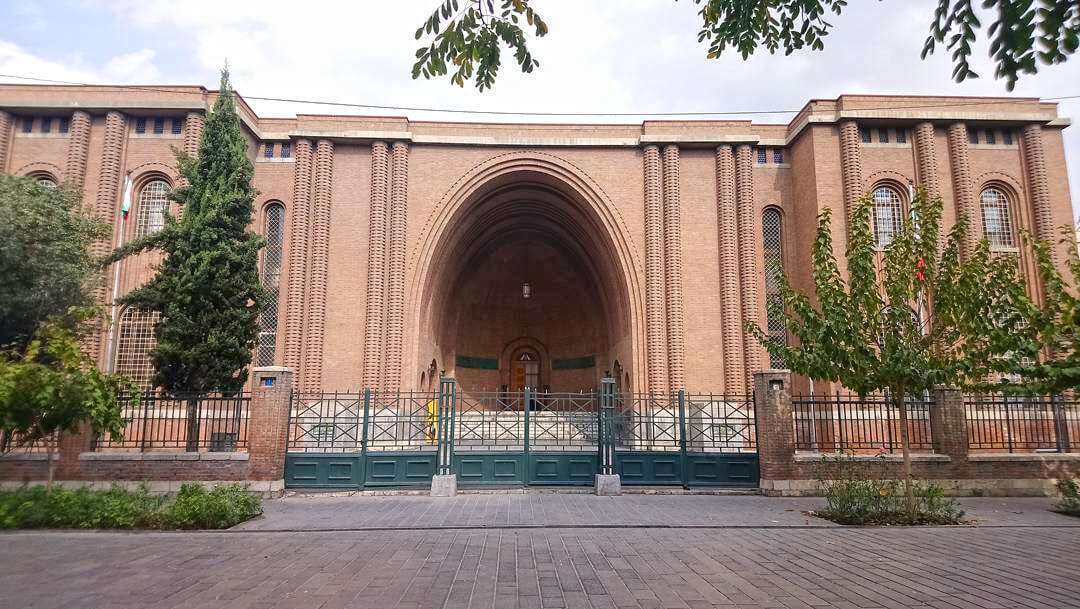
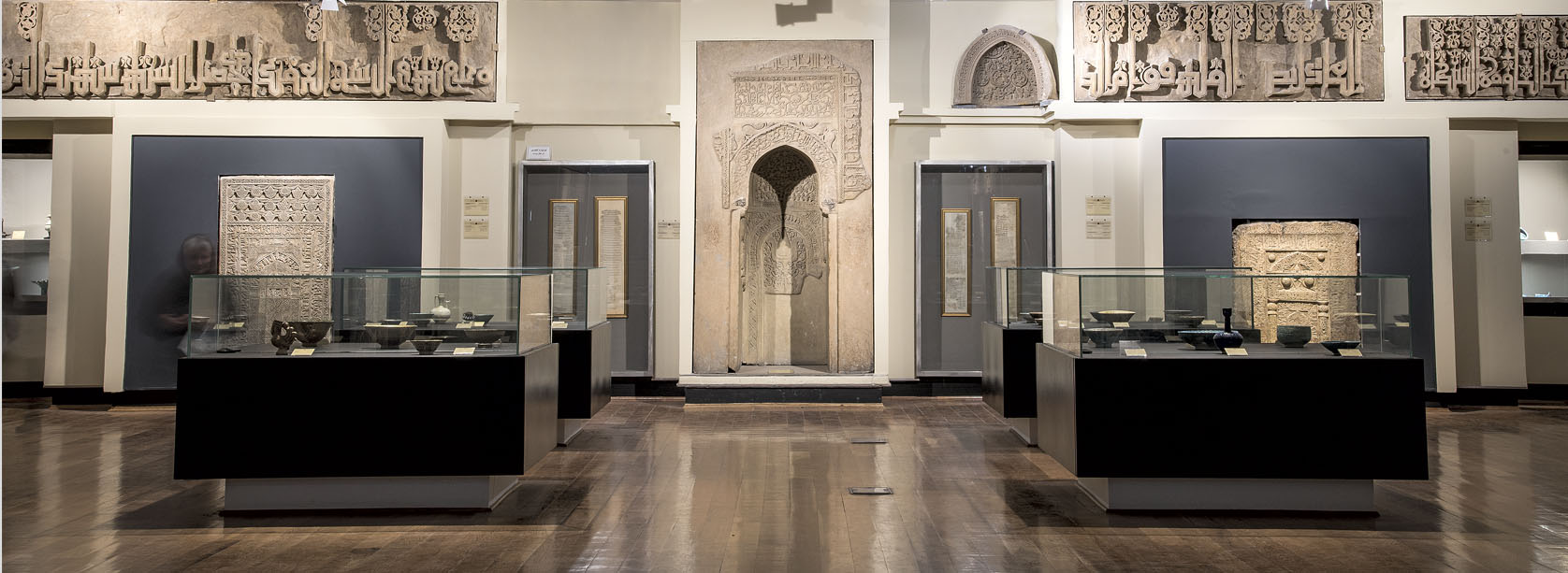
We begin today at the National Museum of Iran, where we follow the story of Iran from prehistoric times through the Islamic period. This visit helps us develop a general picture of Iranian civilization and culture before continuing the journey, as well as the changes that have taken place in this land over the centuries.
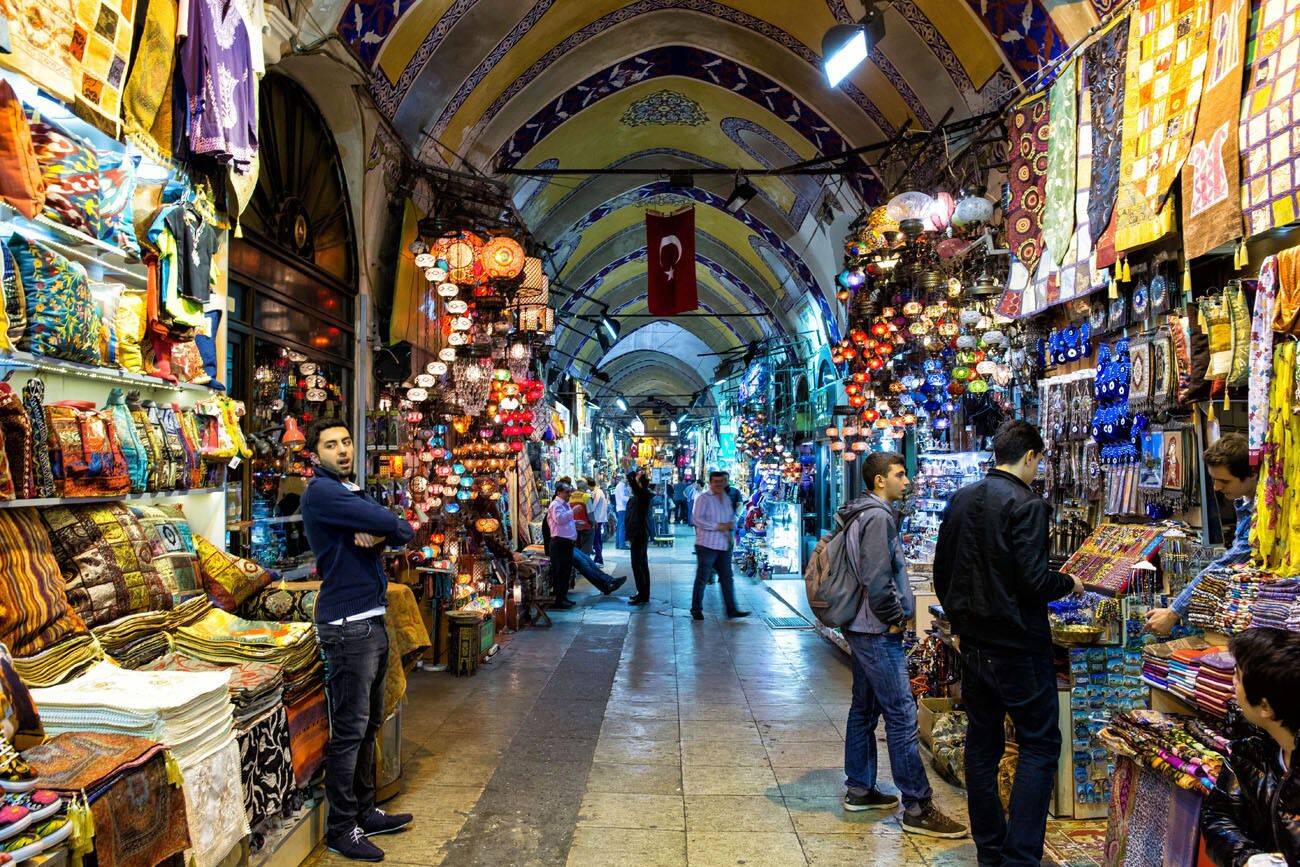
We then visit Golestan Palace, a historic complex in the heart of Tehran that tells part of the story of Qajar-era Tehran and its transformation into the capital of Iran. The palace’s architecture, tilework, and mirrorwork offer a picture of a period when Iran was entering a new era.
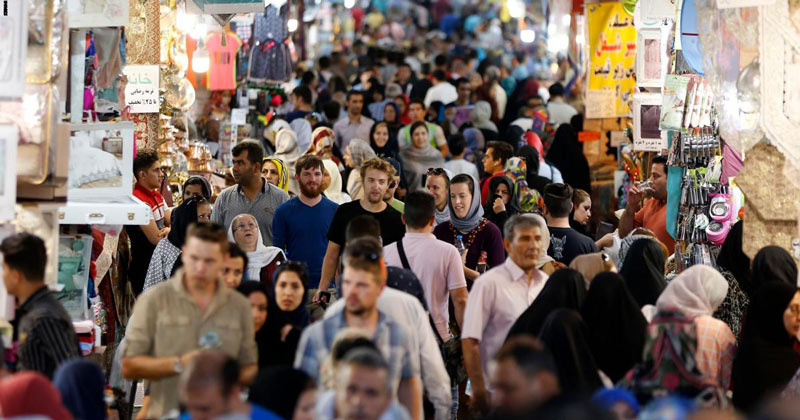
After the palace, we walk through the Grand Bazaar of Tehran, one of the city’s oldest commercial centers, where part of Tehran’s economic and everyday life still continues.
We continue with a visit to the Reza Abbasi Museum, which houses a collection of Iranian art and cultural objects from the pre-Islamic and Islamic periods, particularly Persian miniature painting and traditional Iranian arts.
We end the day in Tehran and rest for the continuation of the journey the following day.
Accommodation: Tehran
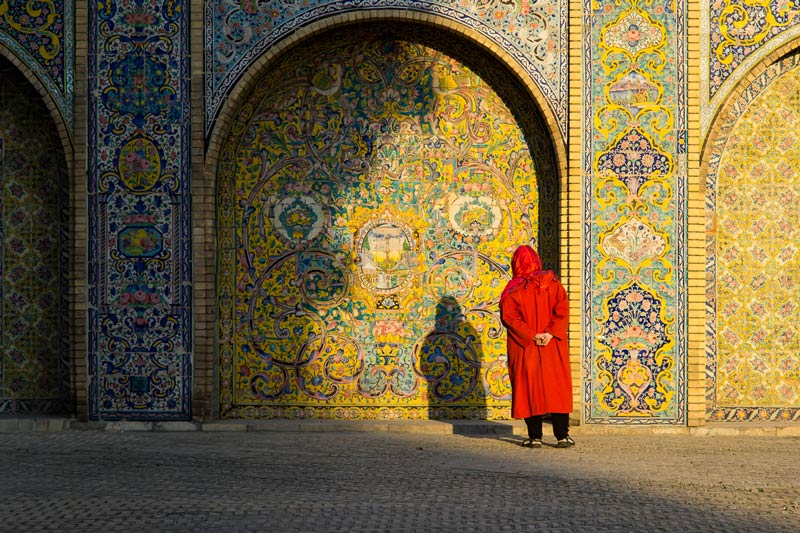
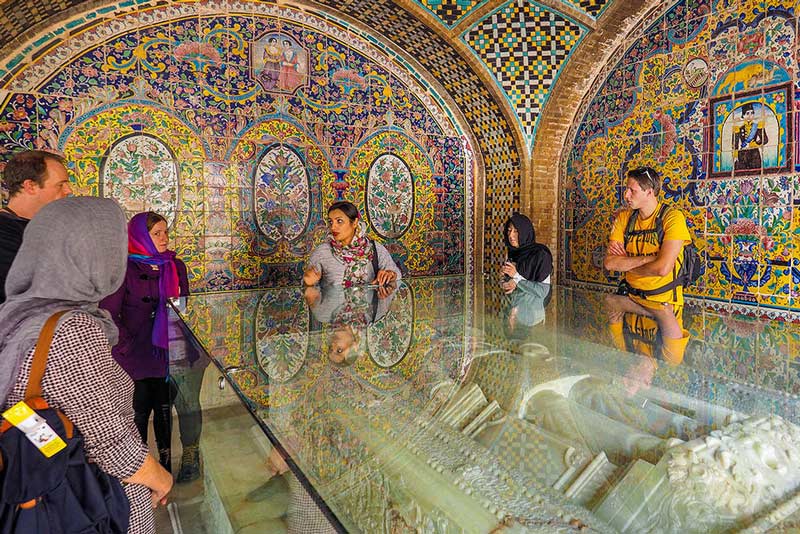

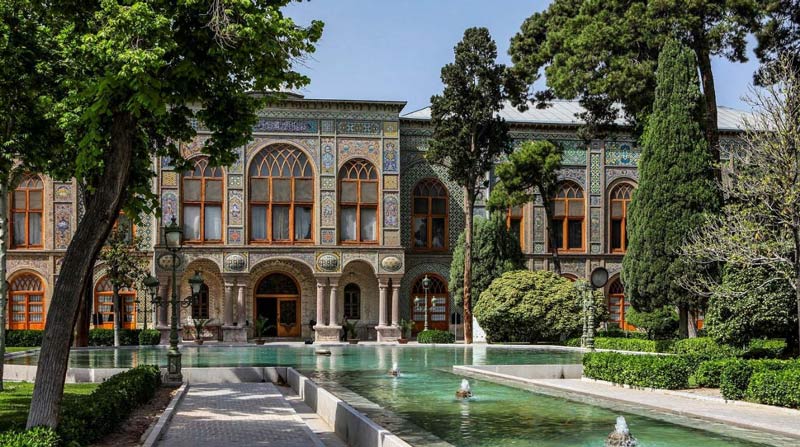
-
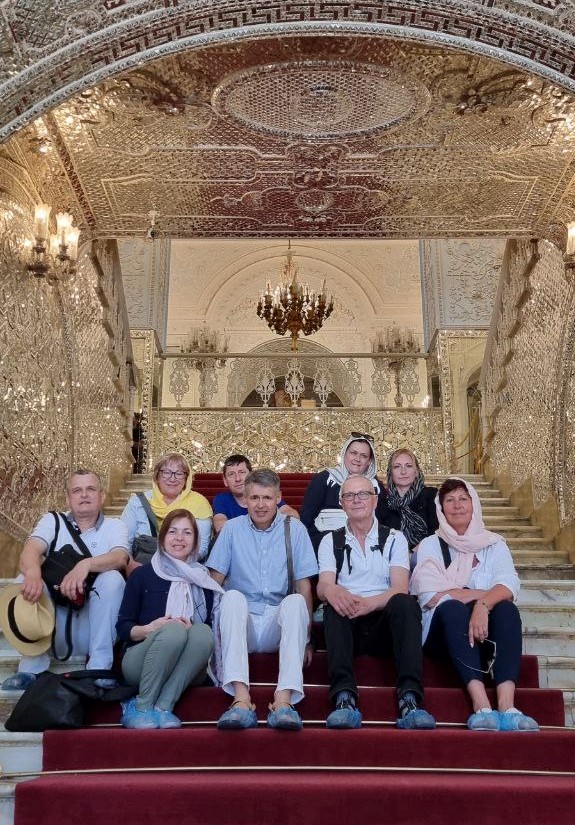
- Golestan Palace – Tehran
DAY 3 — Tehran → Qom → Kashan
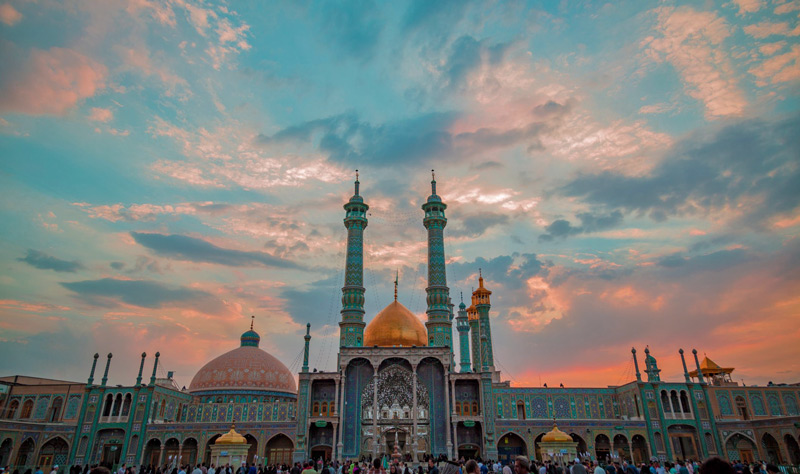
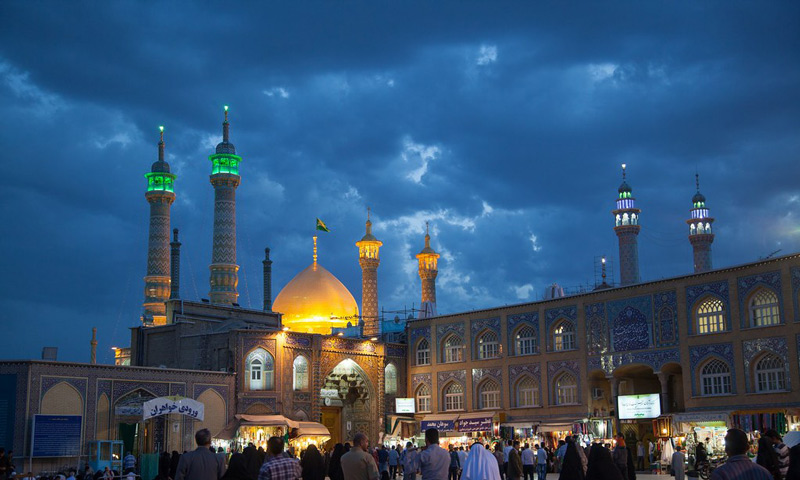
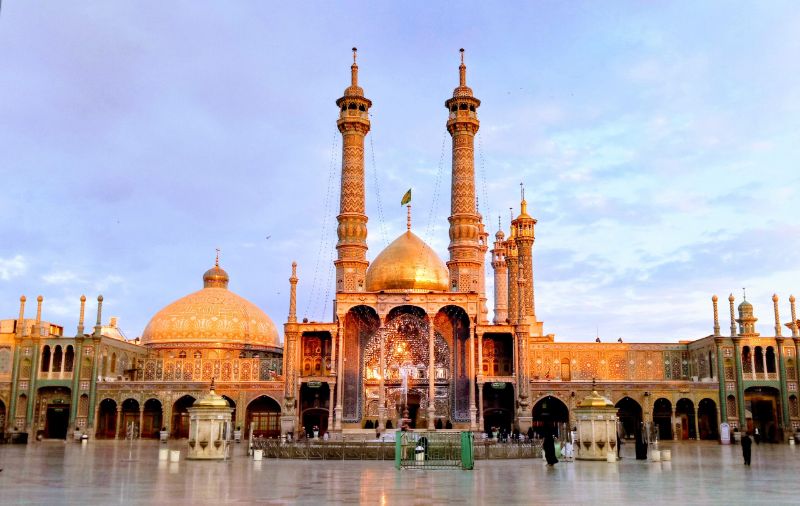
We leave Tehran early in the morning and head toward Qom, a city that holds a special place in the history of Shia Islam in Iran and has been one of the most important religious and intellectual centers of Shia Muslims for centuries.
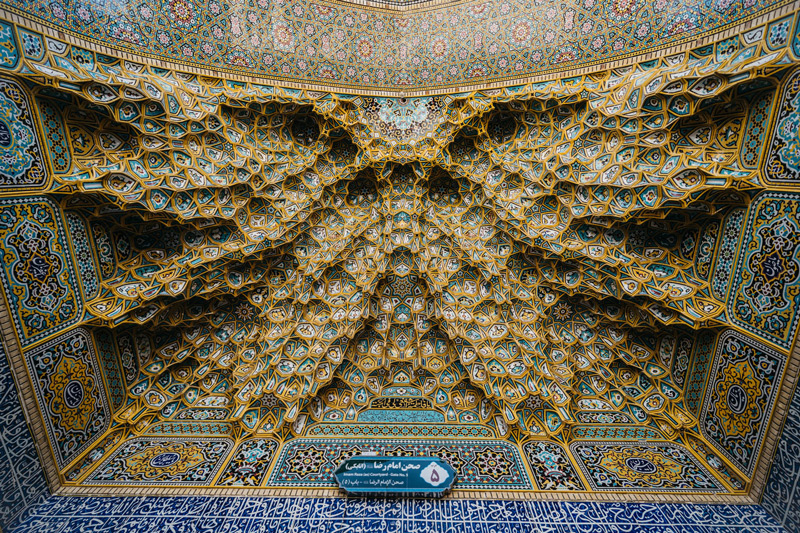
We first visit the Shrine of Fatima Masumeh, the sister of Imam Reza. Her presence in Qom turned the city into one of the most important pilgrimage destinations for Shia Muslims, and her shrine has become the religious heart of the city over the centuries.
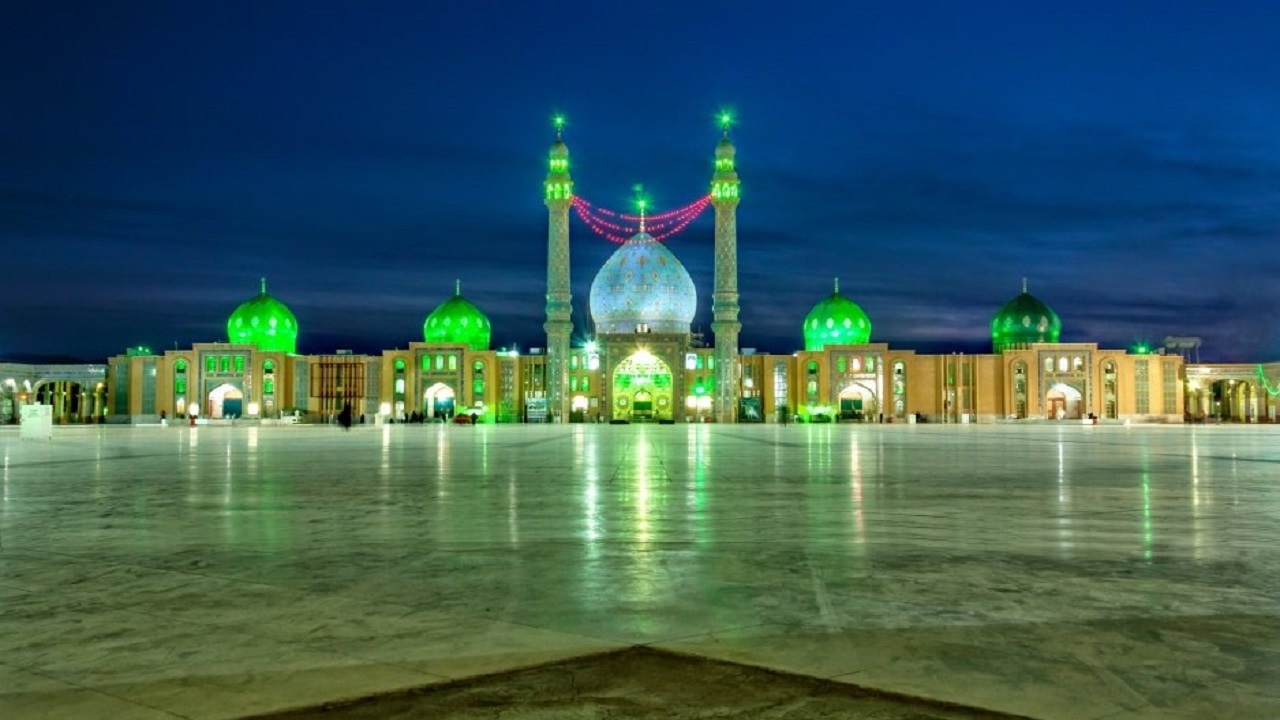
After the visit, we leave Qom and continue to Jamkaran Mosque, a place that is closely associated in Iranian Shia culture with Imam Mahdi and the concept of the savior. According to traditional accounts, the construction of the mosque goes back to Hasan ibn Muthlih Jamkarani’s encounter with Imam Mahdi in 373 AH.
This is one of the places where the connection between Iran’s religious history and the concept of the savior can be seen more clearly. In Zoroastrian tradition, the Saoshyant appears at the end of time to renew the world and bring about the ultimate triumph of good. Centuries later, in Twelver Shia Islam, the concept of the savior continues in the form of Imam Mahdi and his appearance to establish justice. These two beliefs are not the same, but both hold an important place in the Iranian conception of a world whose history moves toward an ultimate end and the final triumph of good. Here, pilgrimage is not only a connection with the past; the pilgrim’s gaze is also directed toward the future.
After visiting Jamkaran, we continue toward Kashan to spend the night in one of the city’s historic traditional houses. These houses, with their central courtyards, pools, rooms surrounding the courtyard, and architecture adapted to the desert climate, still preserve an atmosphere of traditional Iranian life.
Accommodation: Traditional House in Kashan

DAY 4 — Kashan; A House in the Heart of the Desert
We begin the morning in Kashan, a city that has been one of Iran’s old centers of Shia Islam since the early centuries of Islam.
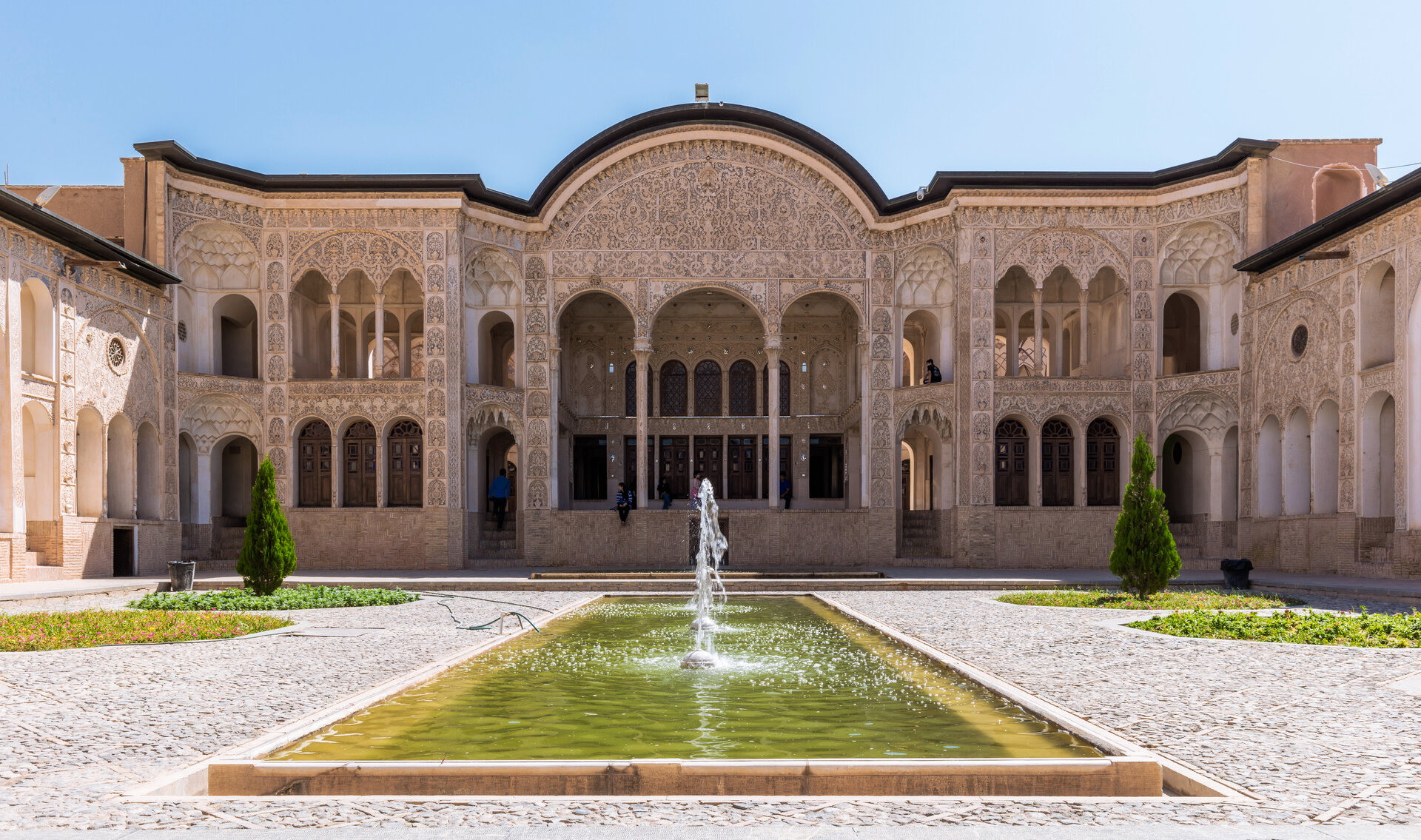
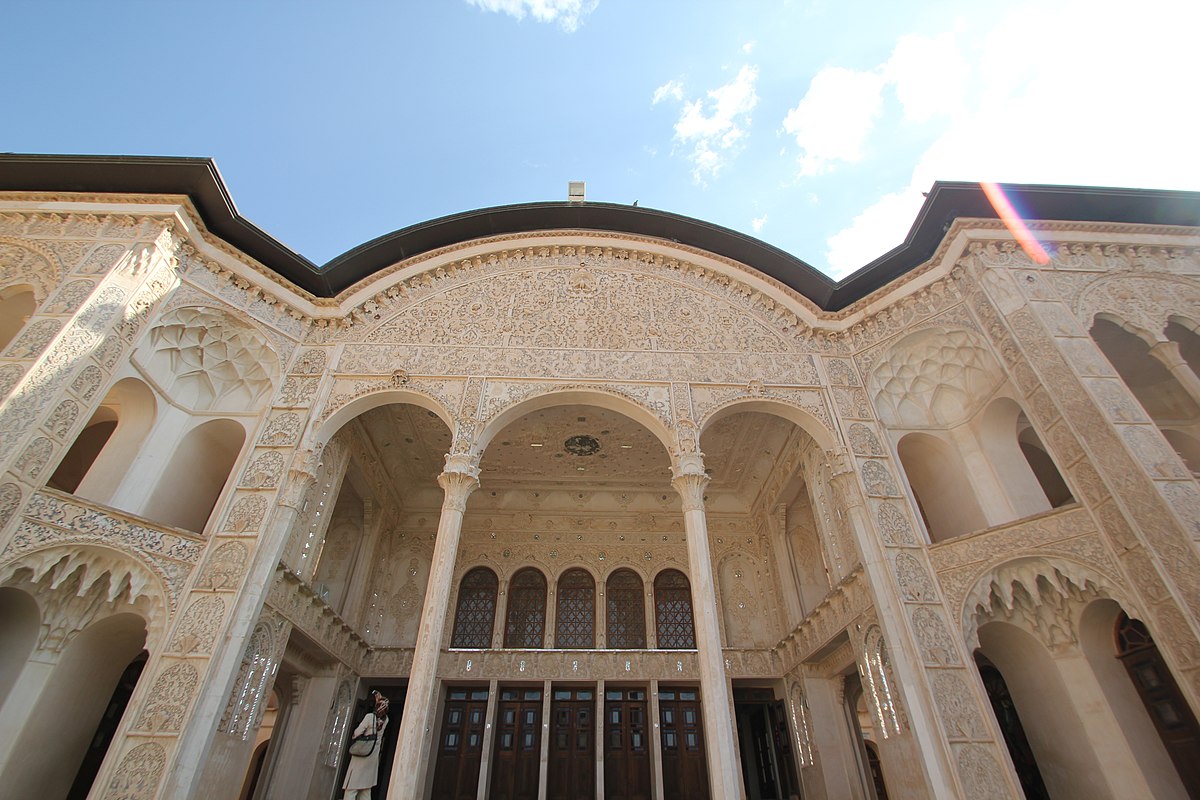
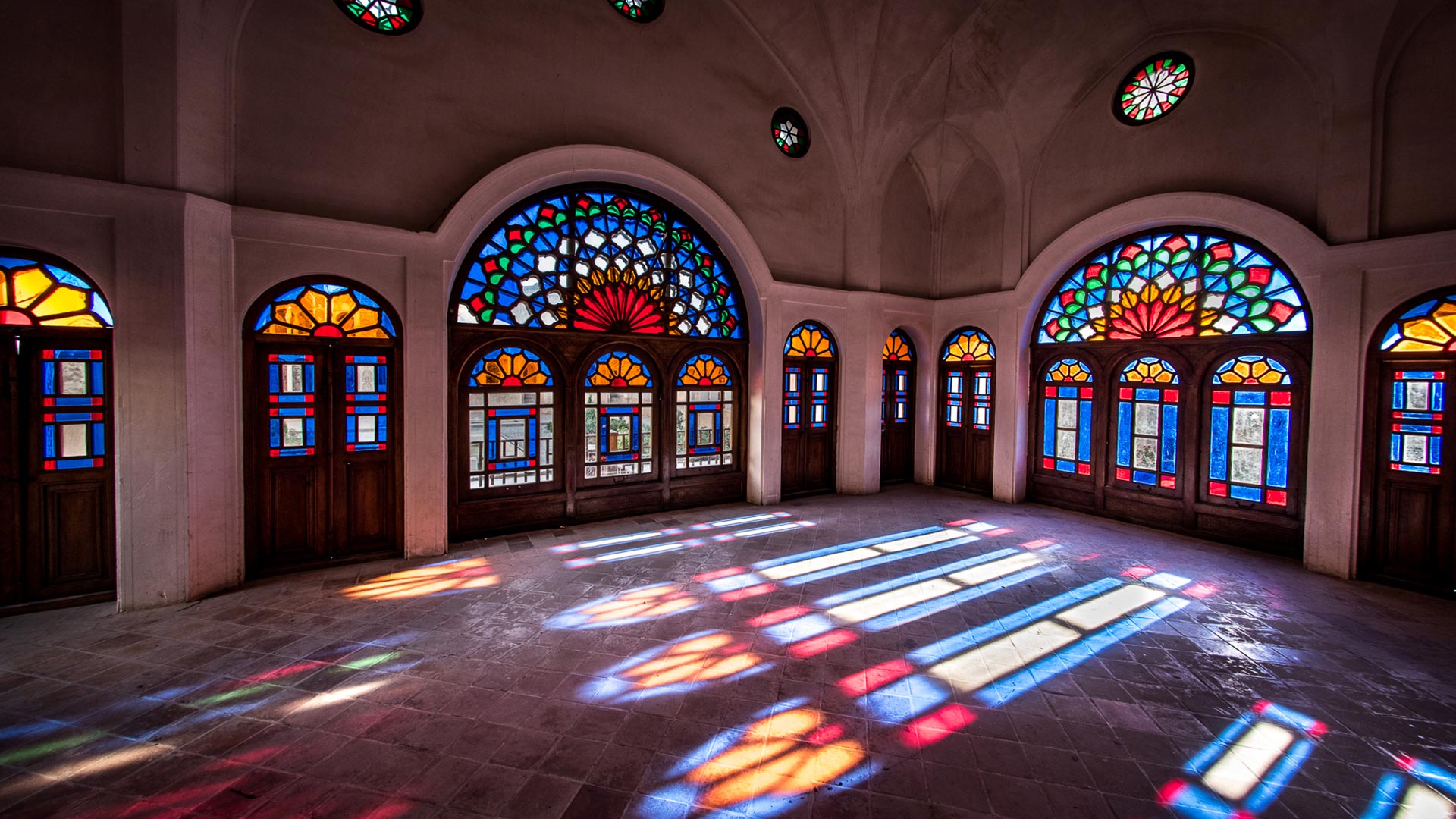
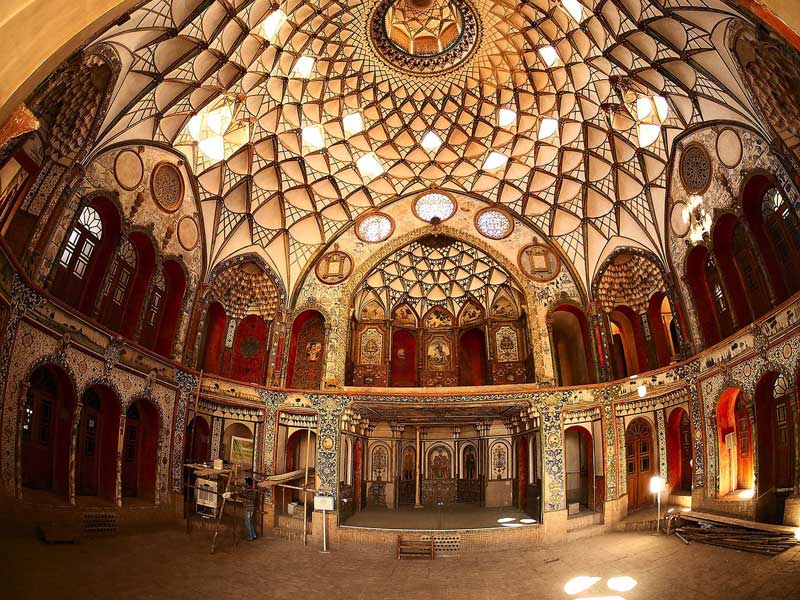
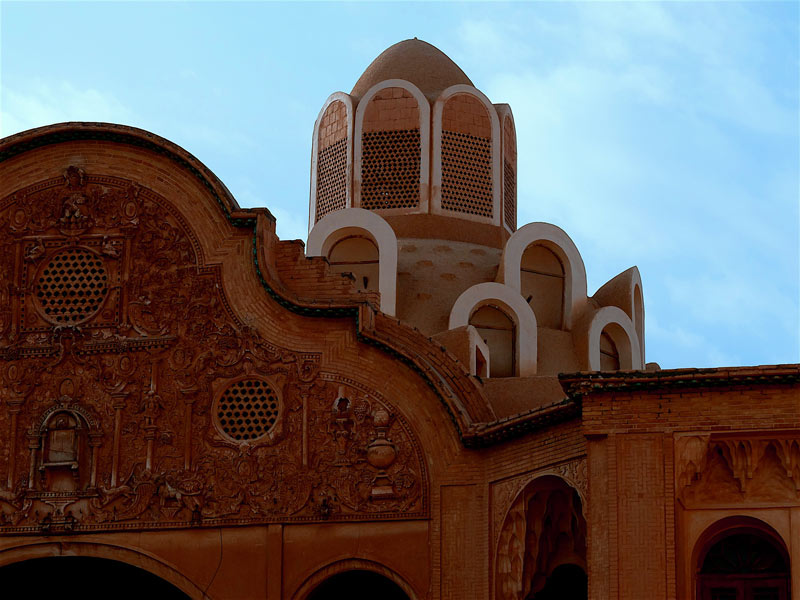
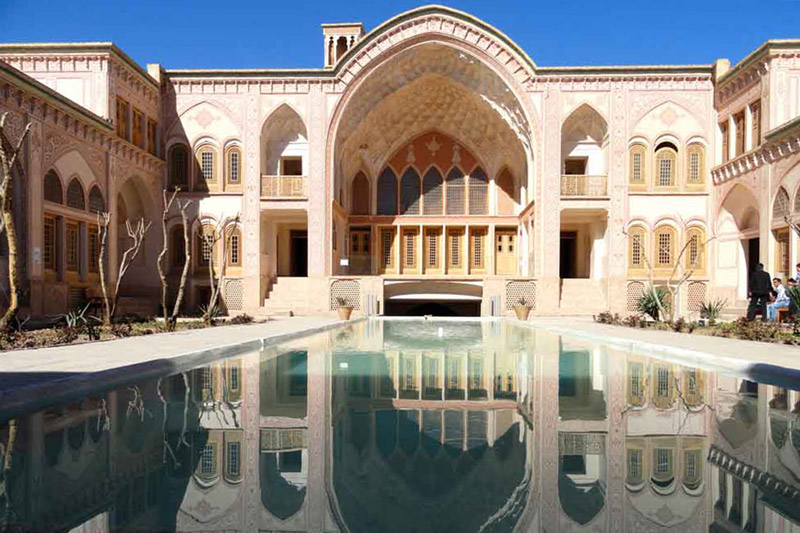
Today, we explore Kashan through the architecture of Iranian houses. We visit the Tabatabaei House, Borujerdi House, and Abbasian House; houses that at first appear closed and enclosed, but once we enter them, a world of light, color, water, and patterns opens before us.
In Iranian culture, family privacy was highly important. Houses were closed toward the outside, while the main life of the family took place within the interior space. But this enclosure did not mean cutting off contact with nature. On the contrary, gardens, pools, the sky, and nature that could not be seen from outside were recreated inside the house through tiles, plasterwork, patterns, colored glass, and even the play of light.
The houses were also adapted to the desert climate. Sunken courtyards and lower spaces, shade, water, and the central courtyard helped keep the houses cooler, while windcatchers were used to direct and circulate air.
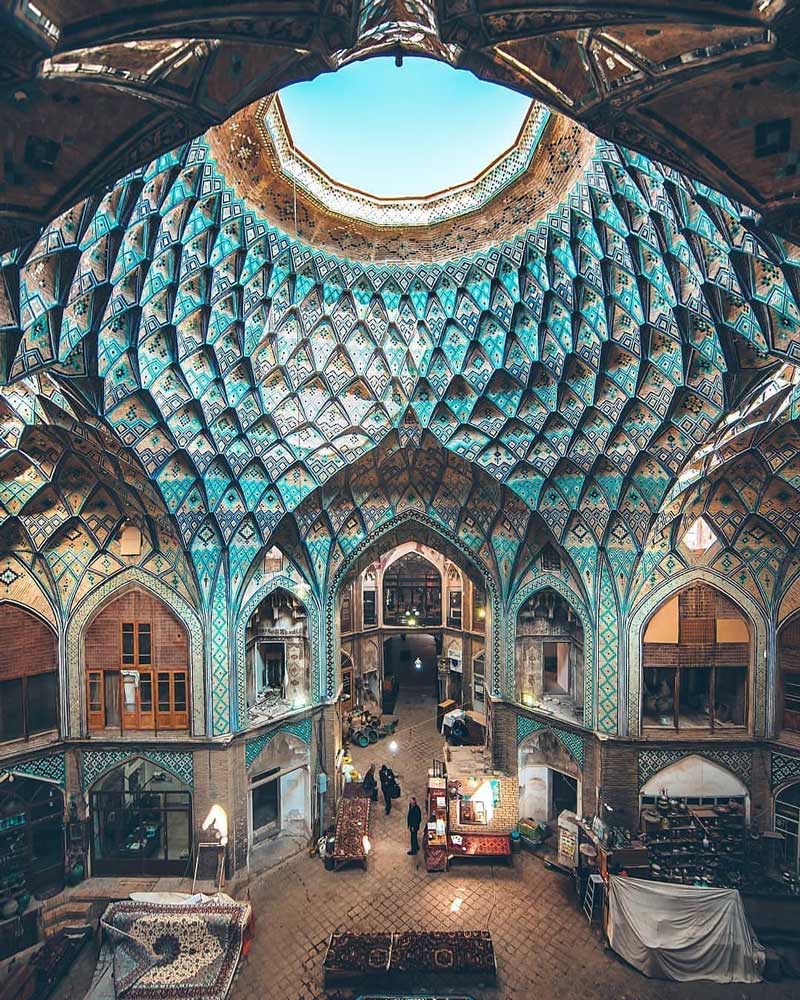
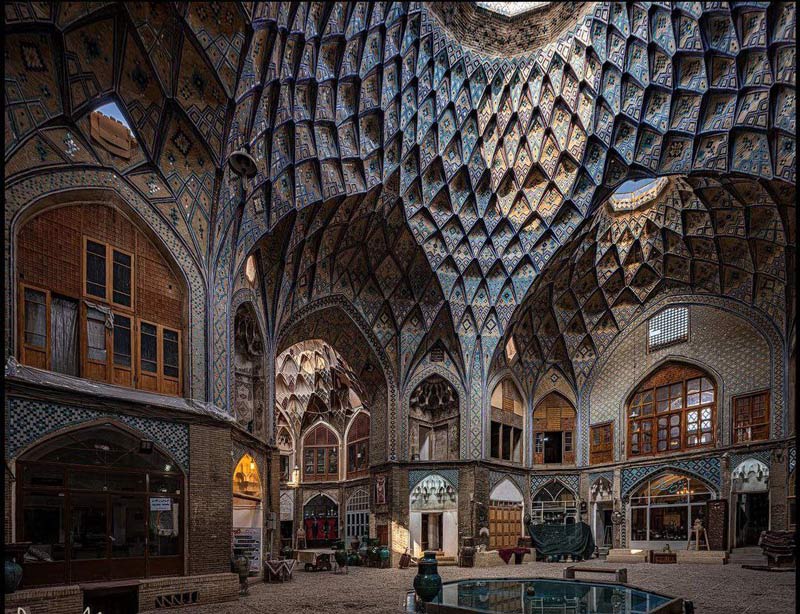
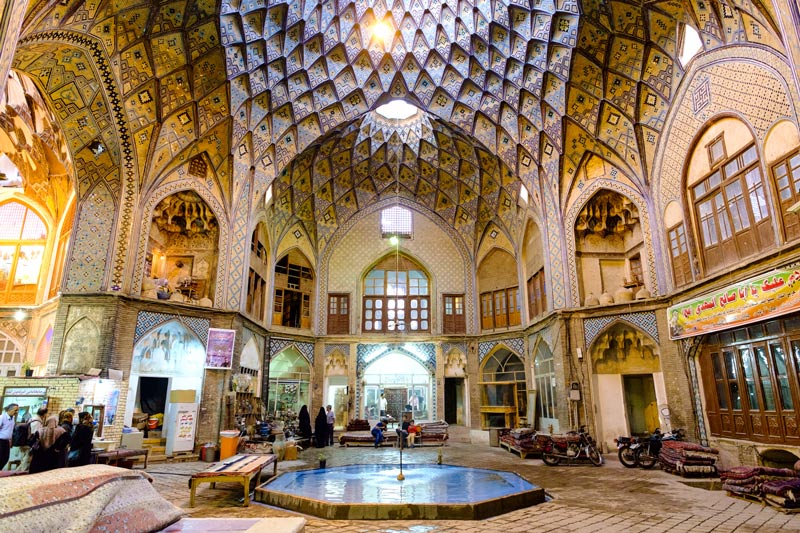
We then go to the bazaar and enter Amin al-Dowleh Timcheh, where desert architecture suddenly takes on a magnificent scale. Its height, brickwork, geometry, and roof skylight create a space that shows that market architecture in Iran was not only about commerce; the space itself was part of the experience of urban life.
In Kashan, the house and the bazaar are two faces of the same architectural culture: creating beauty in a difficult climate, through architecture that both protects life and brings nature inside.
We stay in Kashan tonight so that the following day we can begin with a much older part of the history of this region.
Accommodation: Kashan


DAY 5 — Kashan; From Sialk to Fin Garden
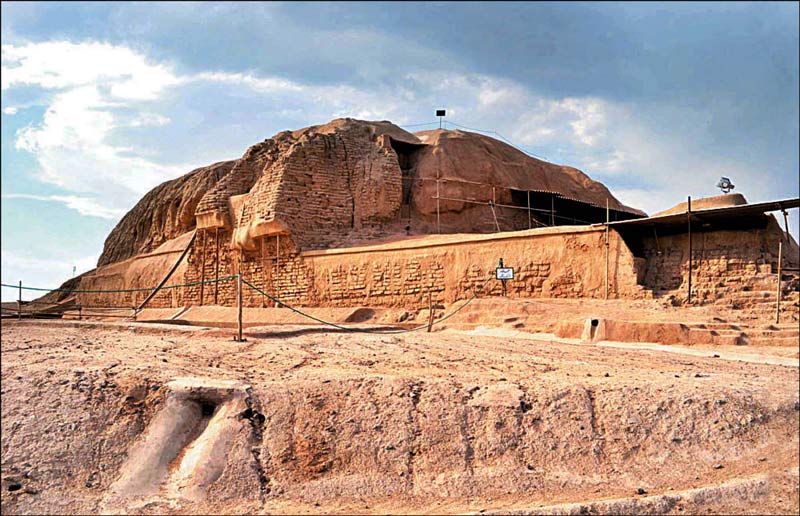
We begin the morning at Sialk Hills, one of Iran’s most important archaeological sites near Kashan. Archaeological evidence shows that this area was inhabited by human communities as early as the sixth millennium BCE, thousands of years before the formation of modern Kashan.
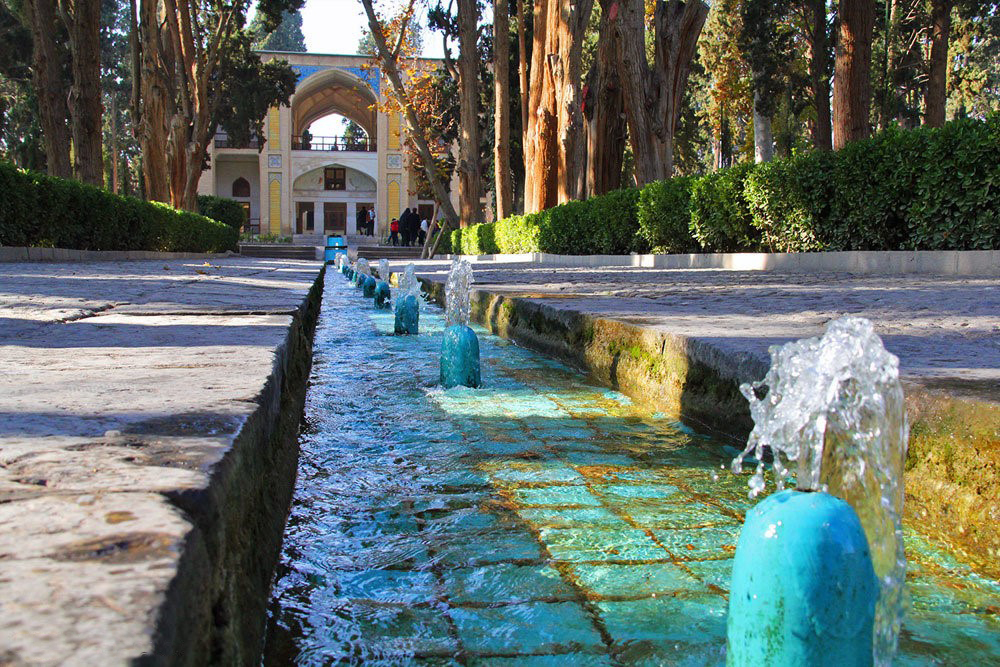
We then visit Fin Garden. The garden is supplied by the Sulaimaniyah Spring, a natural spring fed by underground mountain water sources that continues to flow today. This water, together with the architecture and trees, has made Fin Garden one of the outstanding examples of the Persian garden.
After lunch, we leave Kashan and continue toward Isfahan.
We arrive in Isfahan in the afternoon, check into the hotel, and begin exploring the city the following day.
Accommodation: Isfahan

DAY 6 — Isfahan; The Splendor of Iran in the Safavid Era
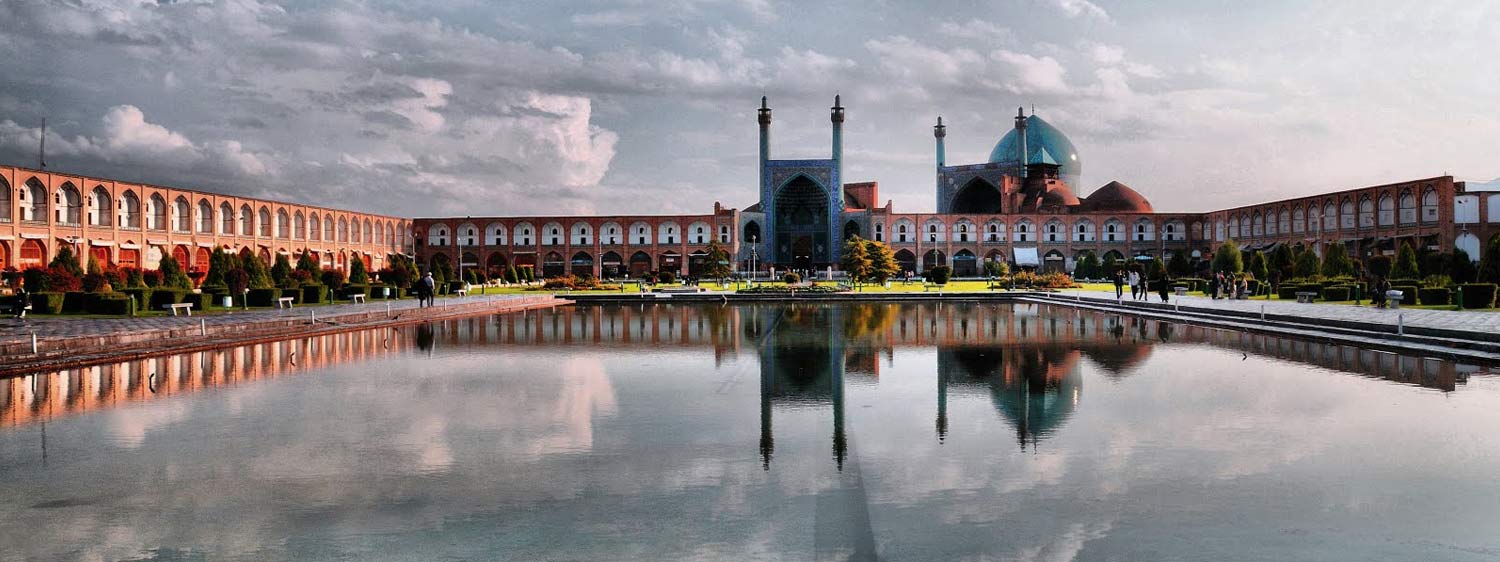
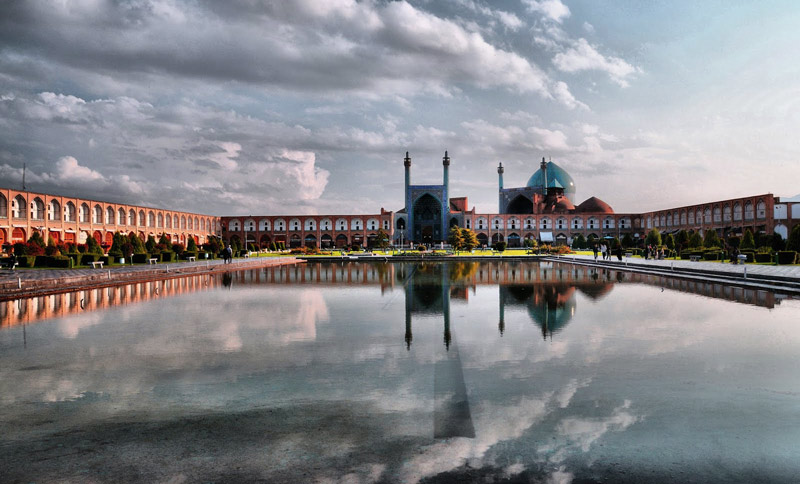
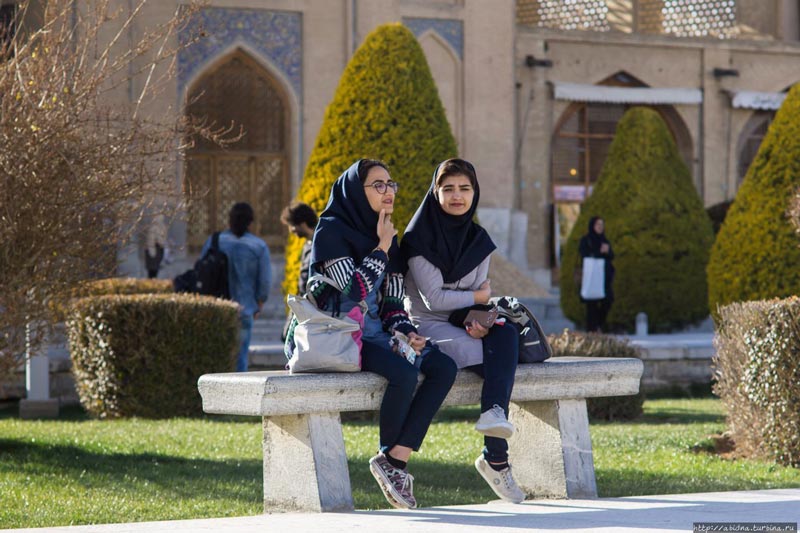
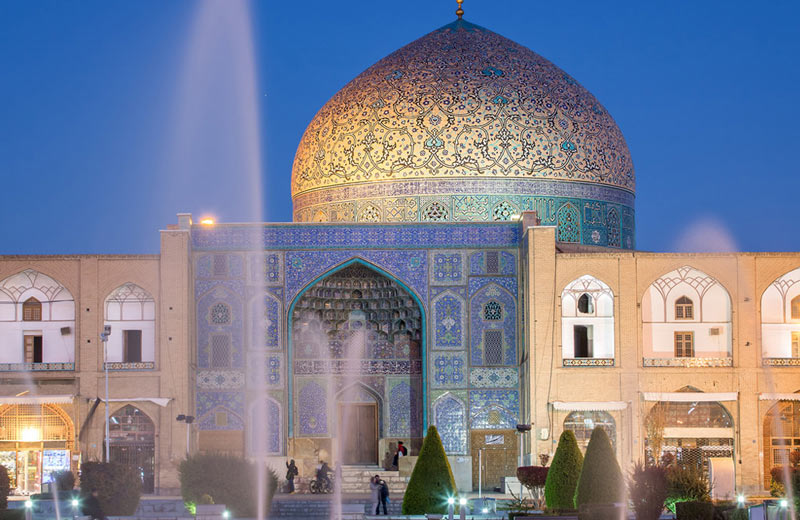
Today we begin our exploration of Isfahan at Naqsh-e Jahan Square, which at the beginning of the 17th century, during the reign of Shah Abbas I, became the political, economic, and cultural center of the new Safavid capital. The four main buildings of the square—Ali Qapu, Sheikh Lotfollah Mosque, Shah Mosque, and Qeysarieh Bazaar—together create a remarkable picture of the structure of the Safavid state.
This may be one of the best places in Iran to see what we have been following throughout this journey: one spirit in two bodies.
Post-Islamic Iran did not forget pre-Islamic Iran; rather, many Iranian traditions of architecture, urban planning, art, and aesthetics continued in new forms. In Safavid Isfahan, this heritage became intertwined with Twelver Shia Islam and the power of an Iranian state, and the city entered a new era.
The Safavids did not rely only on political power to create this new order. Shia scholars came to Iran from important centers such as Jabal Amil in southern Lebanon and played a role in forming the scholarly and religious structure of Safavid Shia Islam. Sheikh Lotfollah was one of these scholars, and Shah Abbas built a mosque in his name in the main square of the capital.
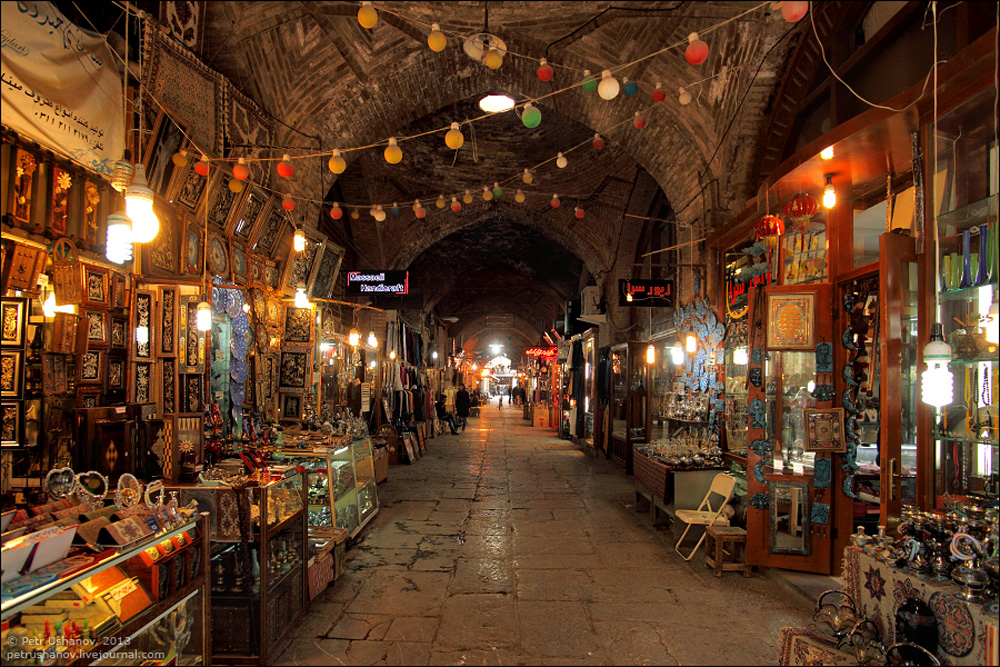
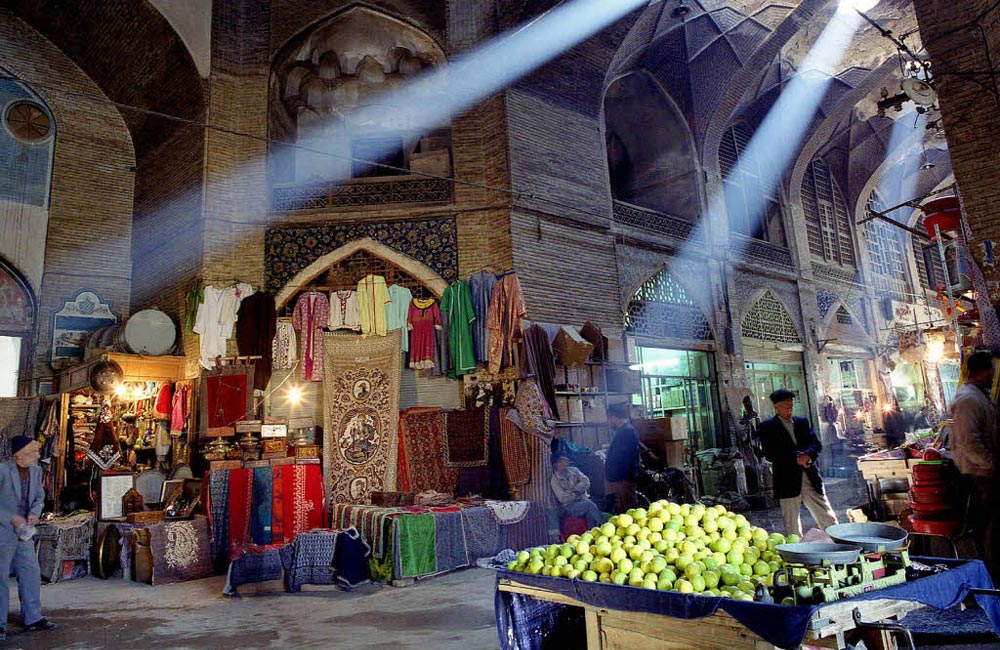
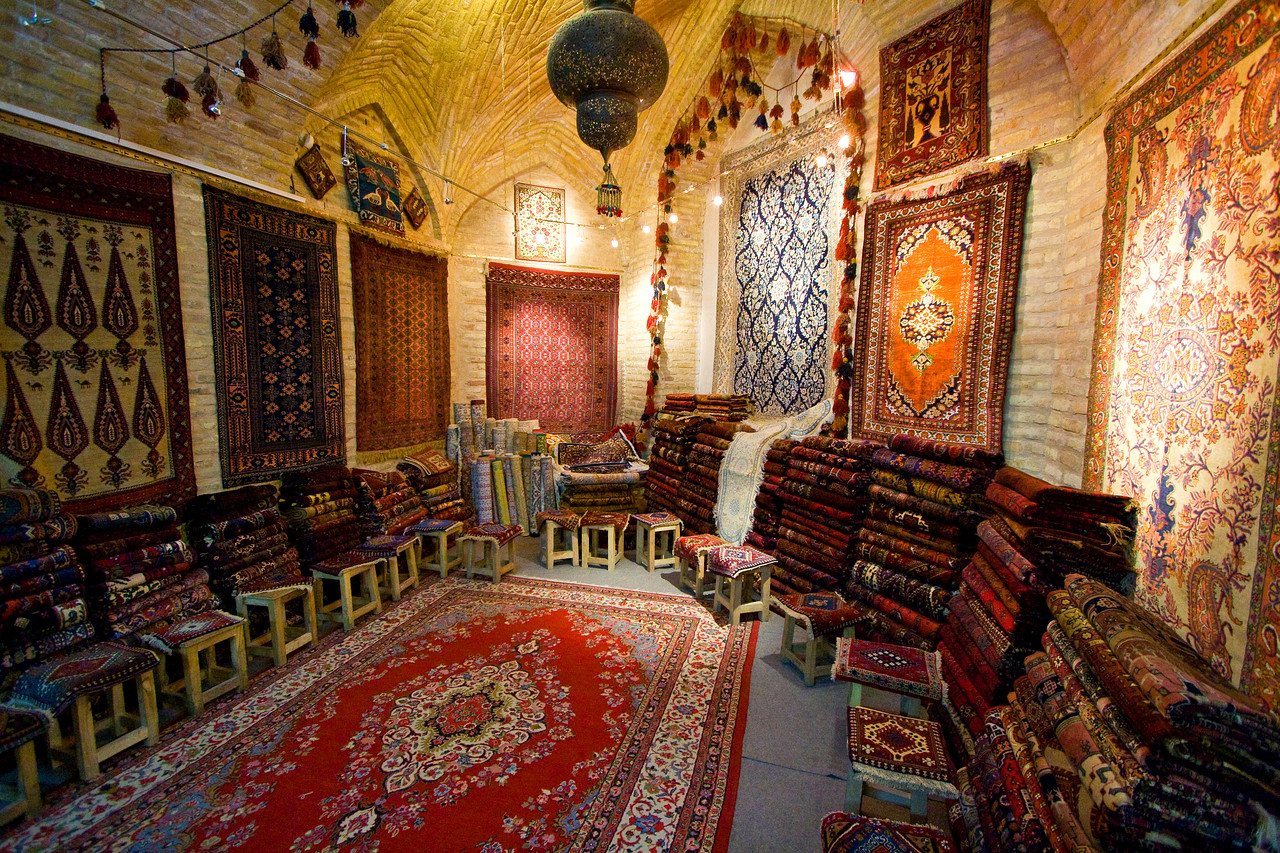
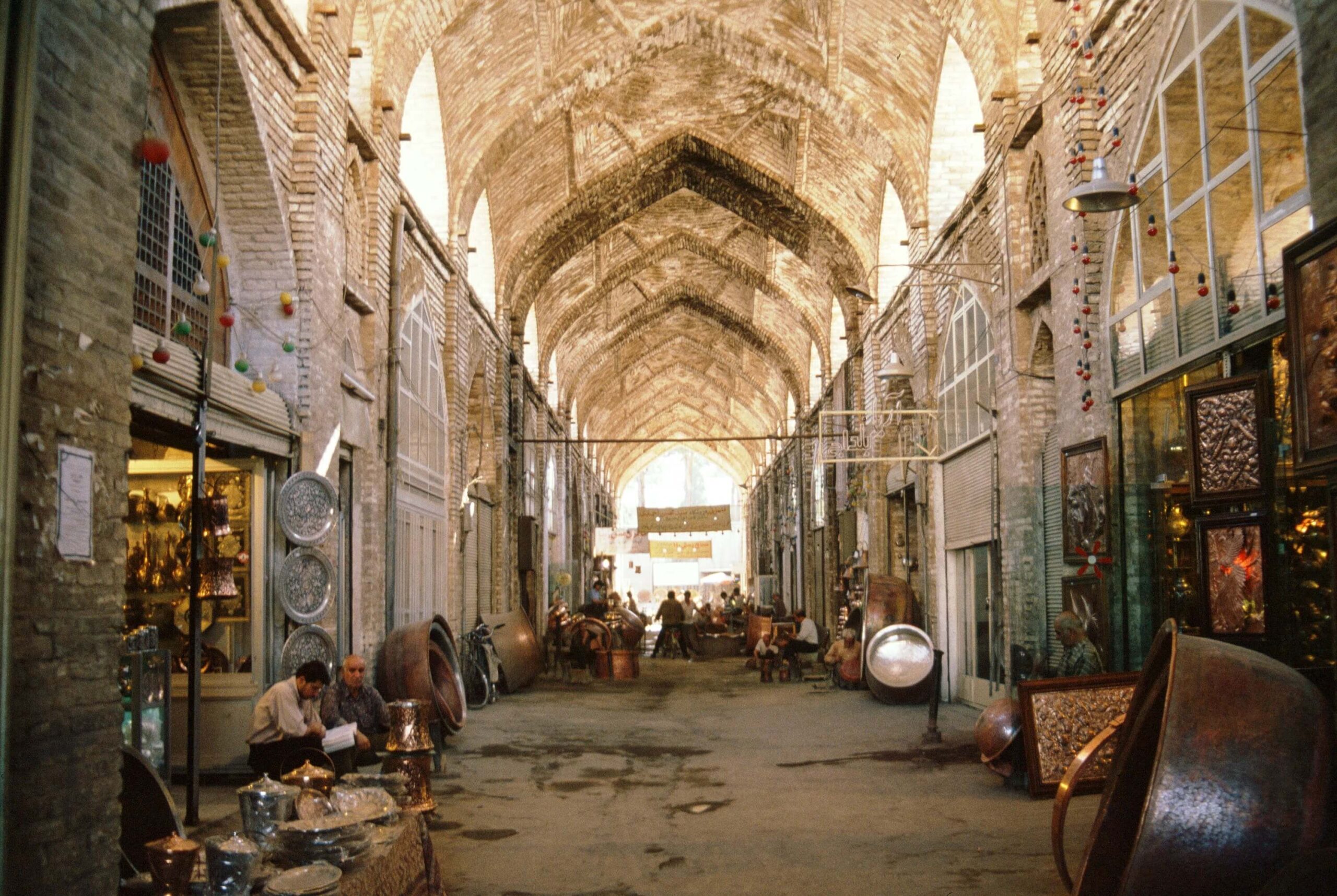
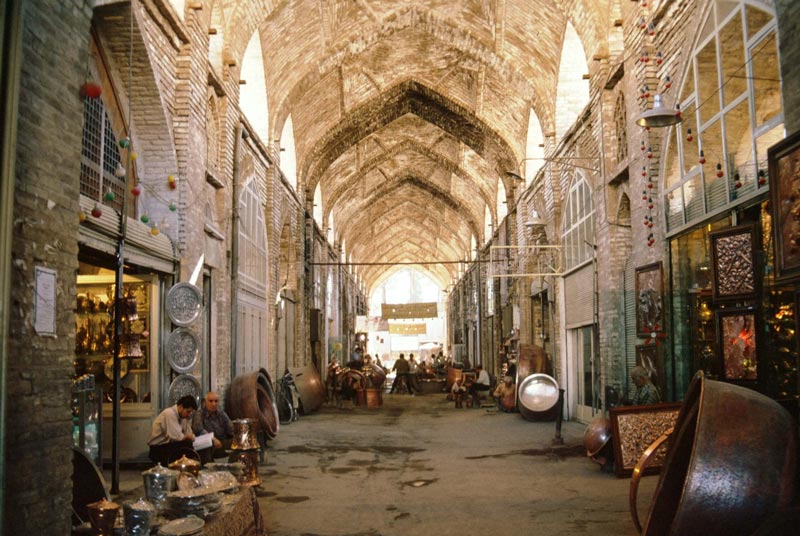
This new energy did not remain only in the mosques. Isfahan became a center of architecture, miniature painting, calligraphy, philosophy, commerce, and handicrafts. The bazaars around Naqsh-e Jahan still keep part of this tradition alive, where we can see the craftsmanship of Isfahan in metal engraving, enamelwork, Khatamkari, and traditional textiles.
We then enter Ali Qapu and visit Sheikh Lotfollah Mosque, where the relationship between royal power, religion, and art can be experienced not in a book, but in the space of the city itself.
We continue our visit with Shah Mosque and the Naqsh-e Jahan Bazaar. For lunch, we try Isfahani biryani, a dish that is itself part of the food culture of Isfahan.
In the afternoon, we visit Chehel Sotoun Palace, where we move the Safavid story from the square and religious buildings into the world of the court and art. The palace halls and paintings offer us a picture of court ceremonies and the artistic vision of the Safavid period.
Accommodation: Isfahan



-
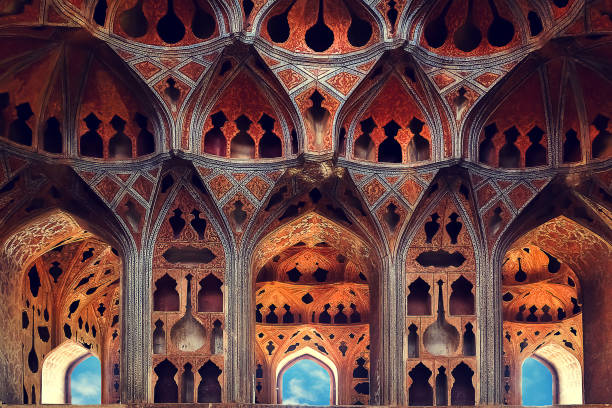
- Isfahan, Iran – September 23, 2016: Music Hall in Ali Qapu palace of Isfahan (17th century)

DAY 7 — Isfahan; The City of Wisdom & Life
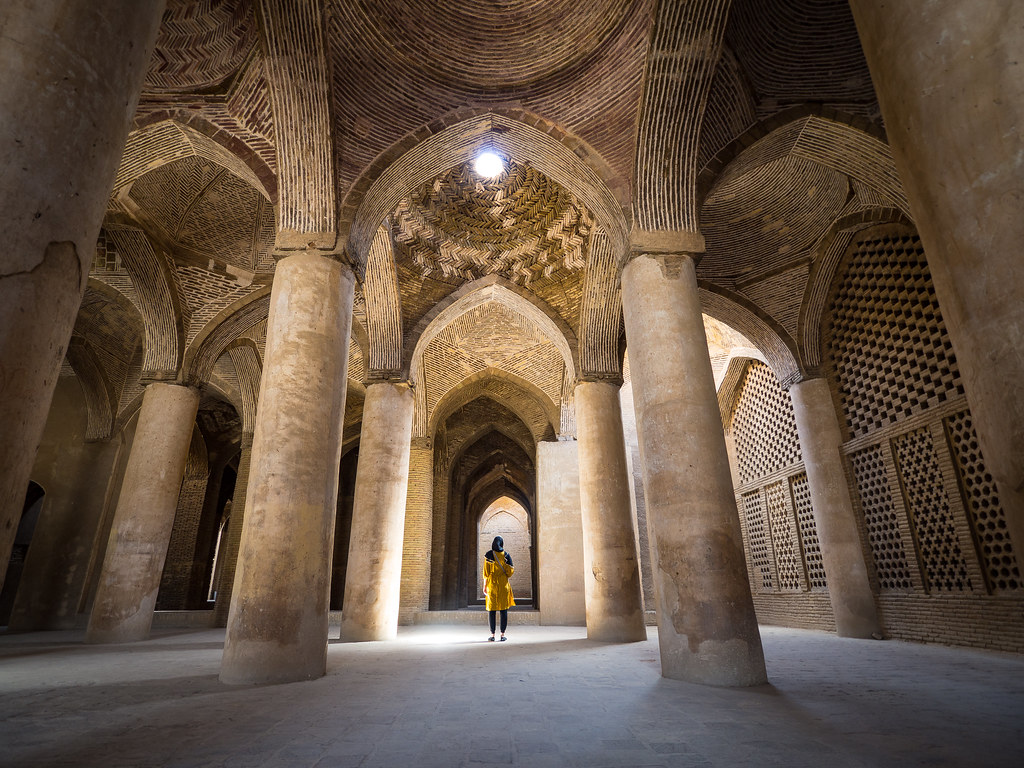
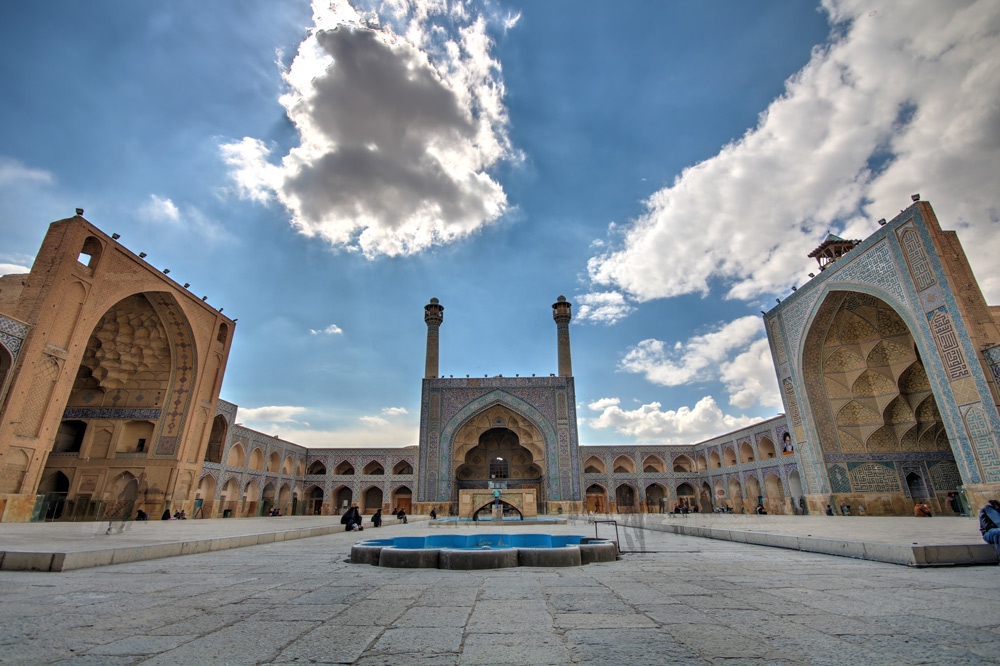
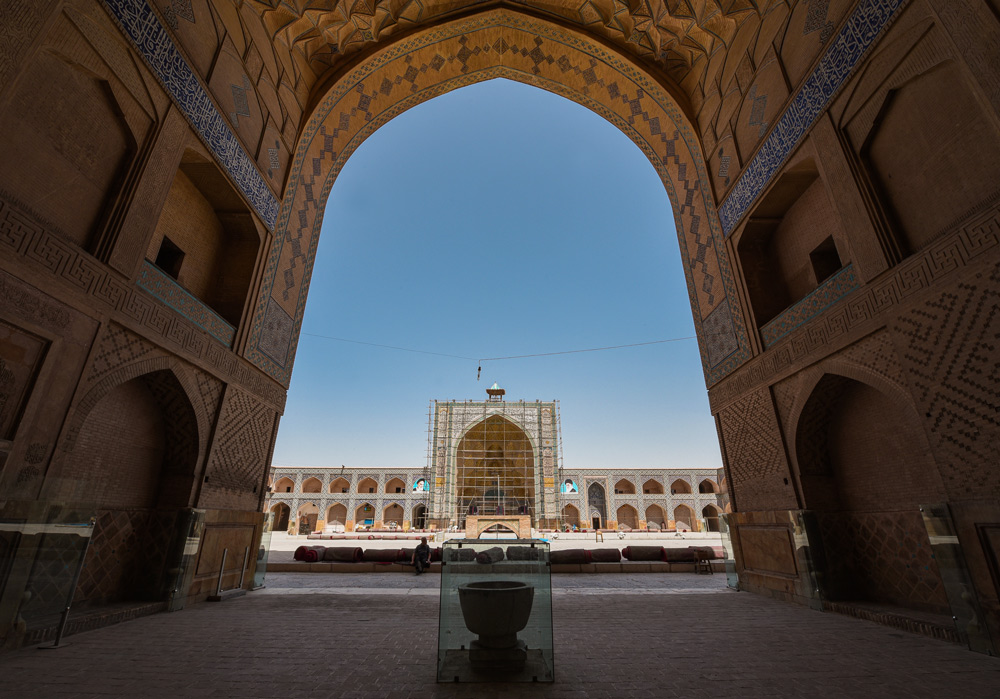
We begin today at the Jameh Mosque of Isfahan, a building whose history is not limited to a single period and which contains different layers of Iranian architecture accumulated over centuries. This is one of the best places on the journey to see the connection between pre-Islamic Iran and Islamic Iran; a place where Iranian architectural patterns continued and took on new forms within an Islamic setting.
Isfahan was not only a city of magnificent buildings; it also became one of the most important centers of philosophy and Islamic wisdom in Iran. During the Safavid period, the School of Isfahan, with figures such as Mir Damad and Mulla Sadra, became one of the important intellectual movements of Iran. This tradition brought reason, philosophy, mysticism, and religious understanding into dialogue with one another.
Perhaps for this reason, we should not look at Isfahan only through a camera. Part of the historical character of this city can be seen in its order, precision, and attention to detail; from the geometry of its buildings and tilework to its bazaar and urban way of life.
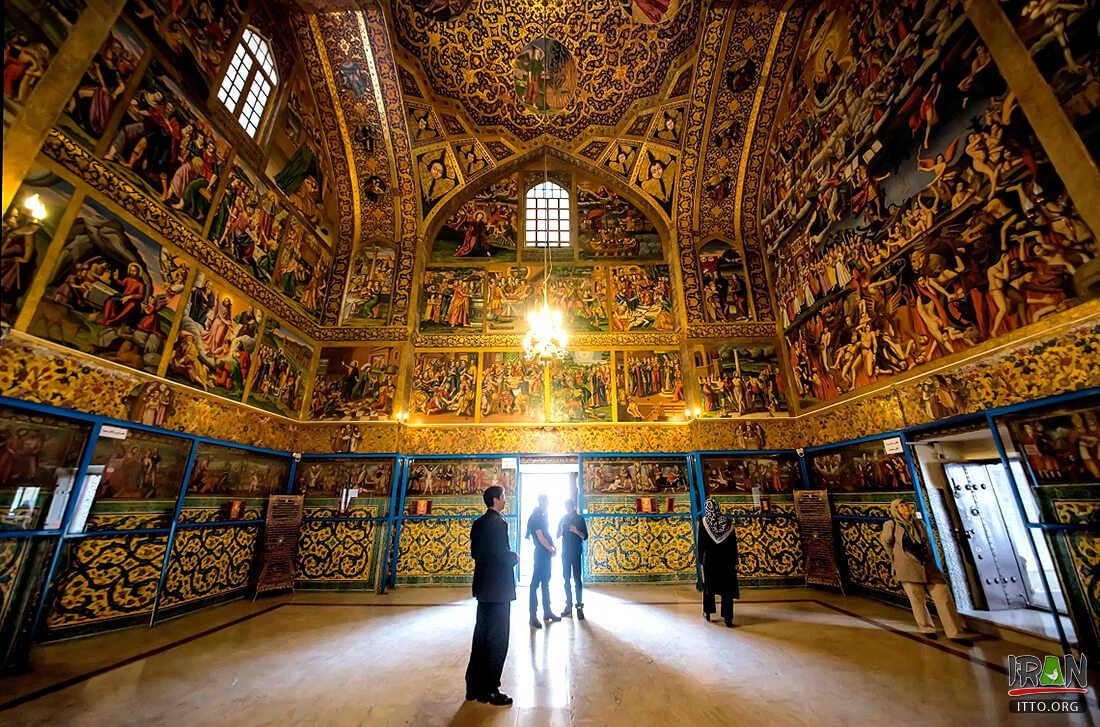
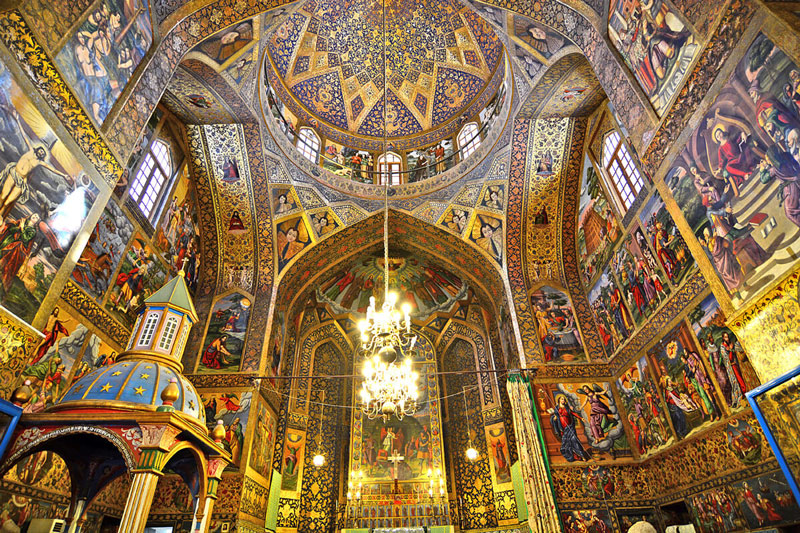
We then visit Vank Cathedral in the Jolfa district. This church is an interesting example of the Armenian community’s presence in Isfahan and the adaptation of Armenian architecture to Iranian art and architecture. Its interior, with its wall paintings, gilding, and detailed decorations, shows a distinctive combination of Christian and Iranian traditions.
Here we see another aspect of Isfahan’s history: a city where different religious and ethnic groups lived during the Safavid period, and where the Jolfa district became one of the most important centers of Armenians in Iran.
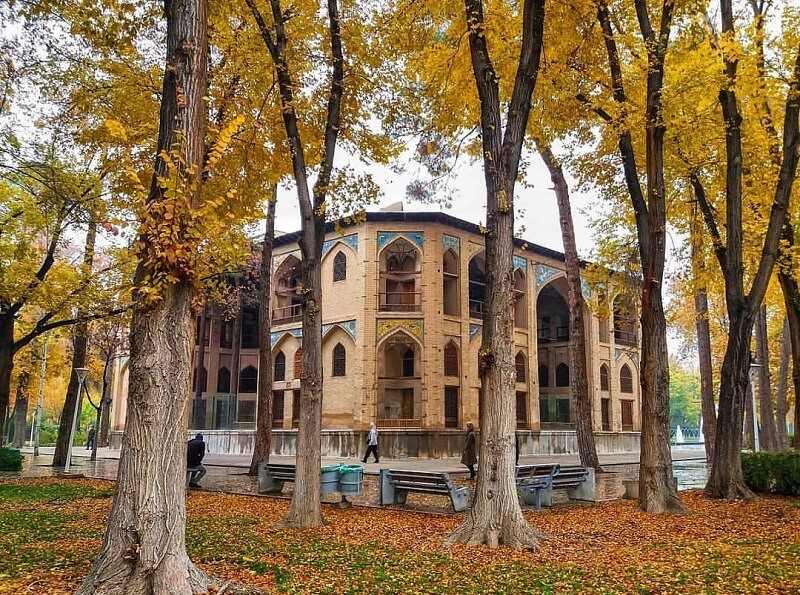
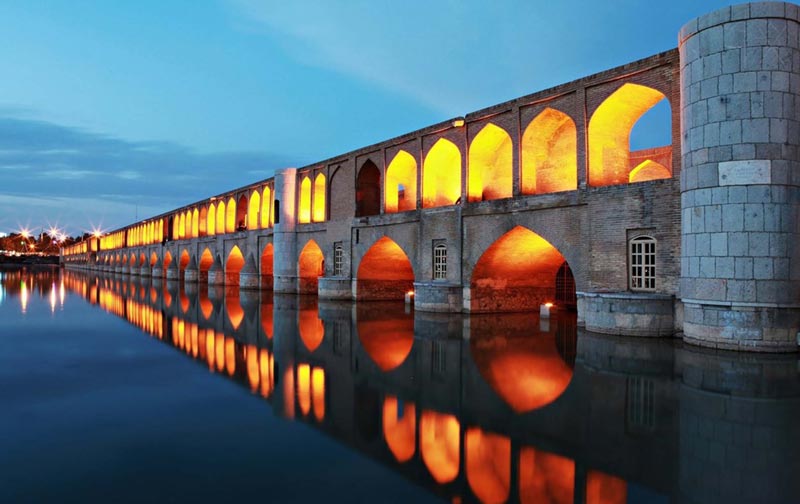
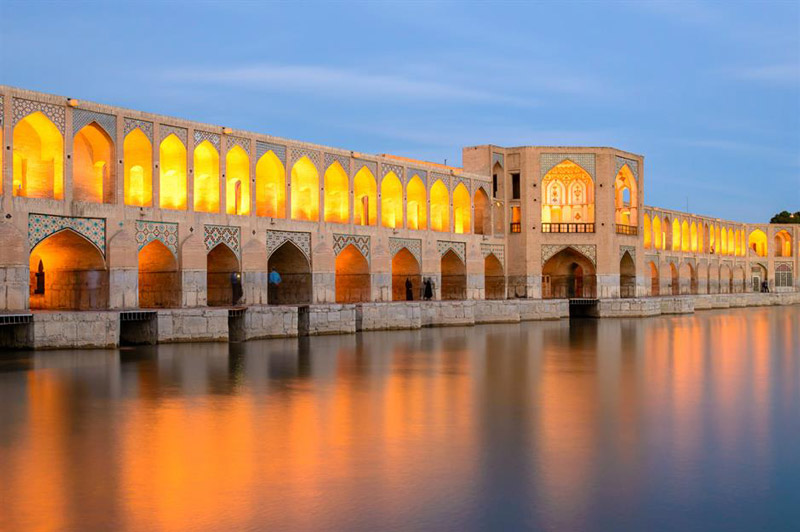
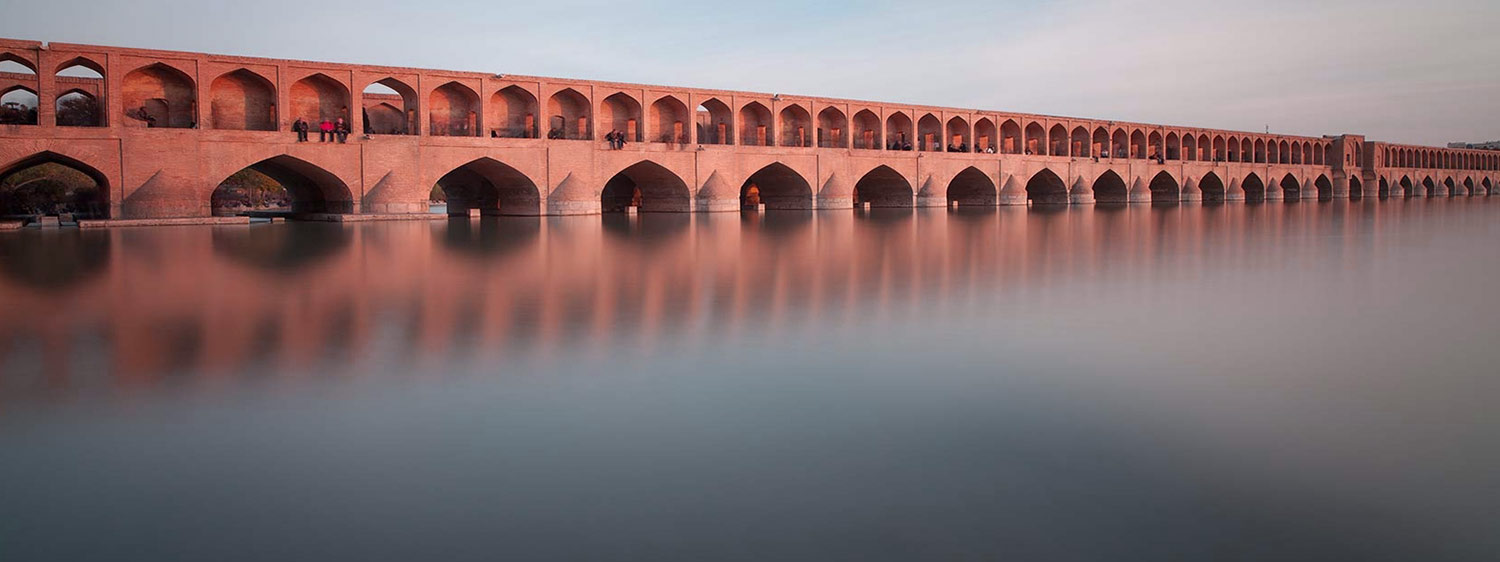
After Jolfa, we visit Si-o-se-pol and walk along the Zayandeh Rud. We then continue to Hasht Behesht Palace, one of the refined examples of garden and palace architecture in Safavid Isfahan.
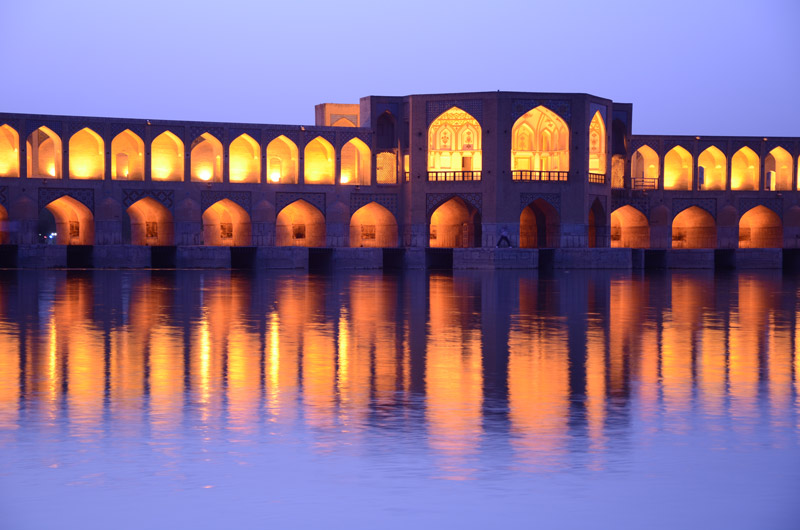
We end the evening at Khaju Bridge. If we are lucky, we may hear Iranian singing beneath the arches of the bridge, where people in Isfahan sometimes gather to sing and listen to music.
Here, we are no longer simply facing a historic monument; the city itself becomes a stage for life.
Accommodation: Isfahan


-

- Asia, Iran, Isfahan, Armenian quarter, Vank cathedral.

DAY 8 — From Cyrus to Persepolis; Pre-Islamic Iran
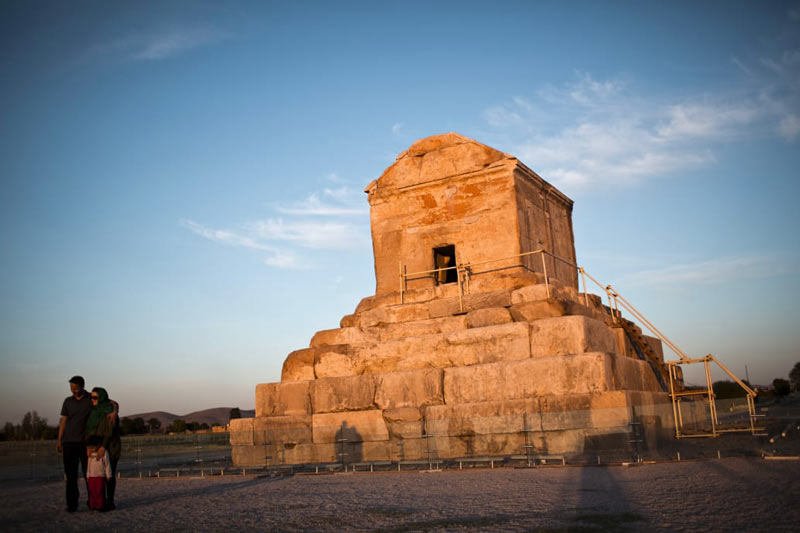
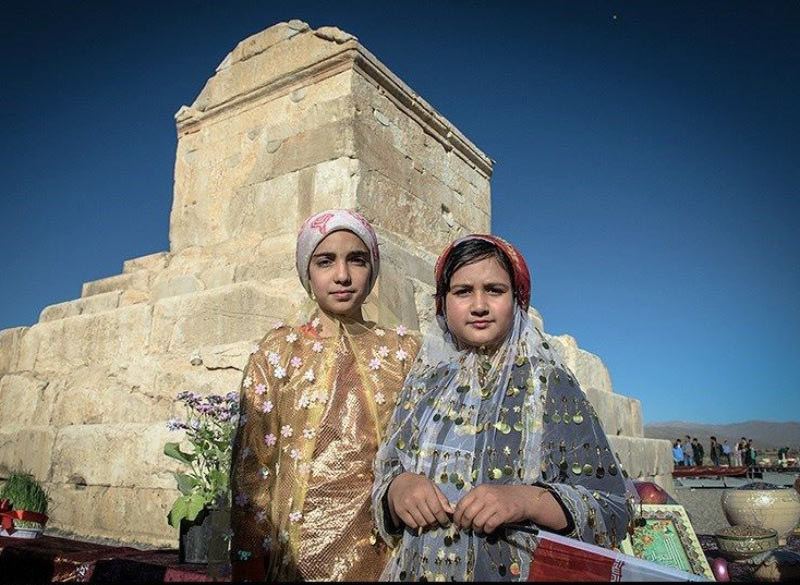
In the morning, we travel from Isfahan toward Pasargadae, the first capital of the Achaemenid Empire and the tomb of Cyrus the Great. Here we become familiar with one of the most important figures in Iranian history and the Achaemenid Empire.
The tomb of Cyrus also acquired an interesting meaning in Iranian and Islamic culture. One view proposed by some Muslim commentators and researchers is that Cyrus was the same figure as Dhu al-Qarnayn in the Quran; a view that is not certain, but which creates a connection between Iranian history and the Islamic narrative.
We then continue to Naqsh-e Rostam and see the rock-cut tombs of the Achaemenid kings. This is an opportunity to become familiar with the place of death and the remembrance of the dead in ancient Iranian culture; a subject that later continued in post-Islamic Iranian culture through extensive mourning and commemorative traditions.
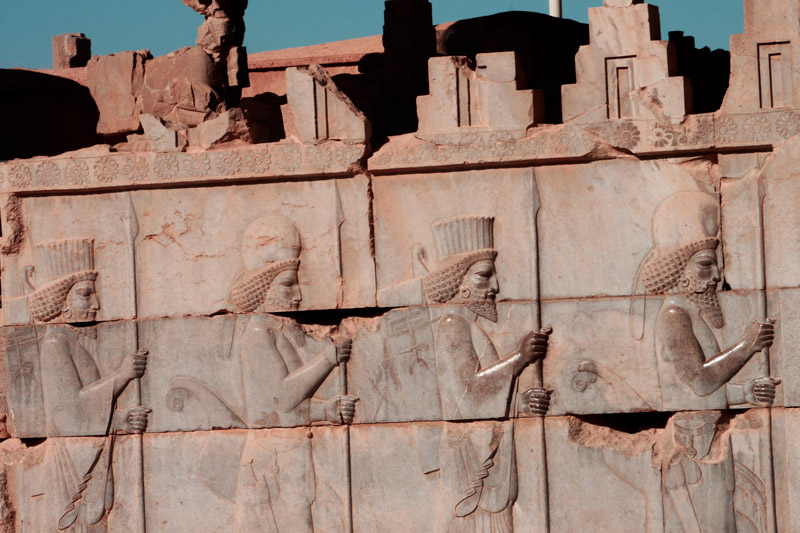
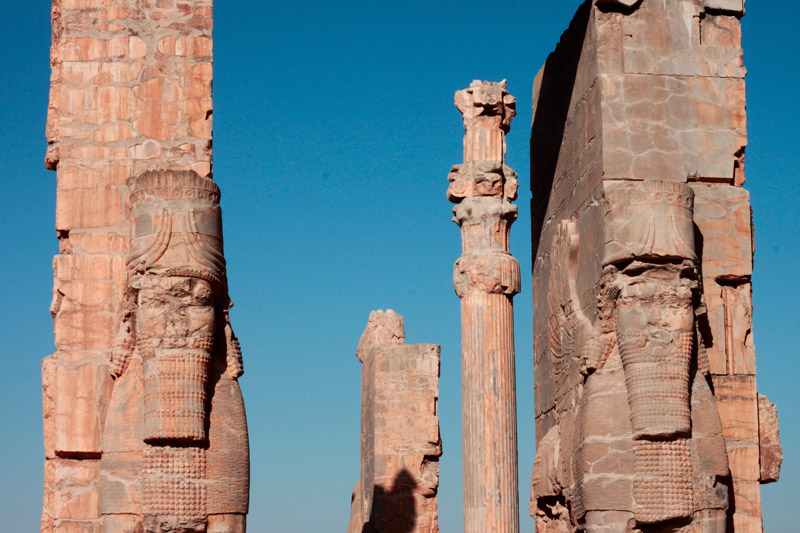
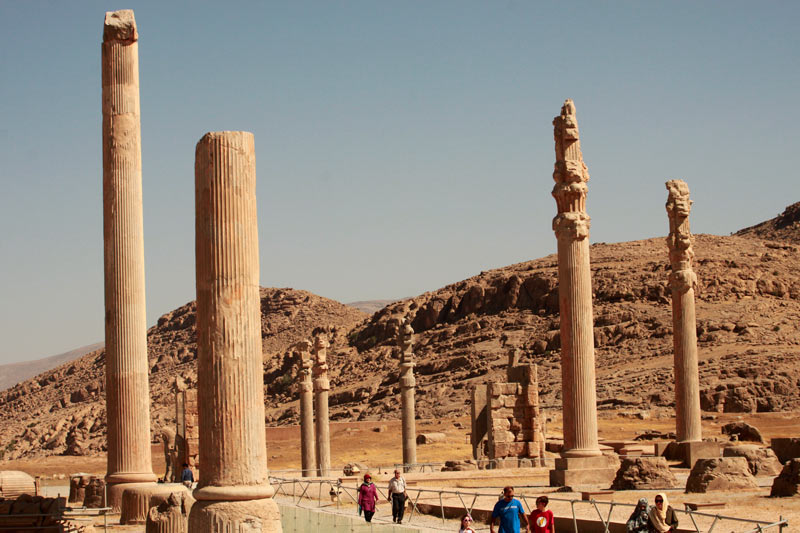
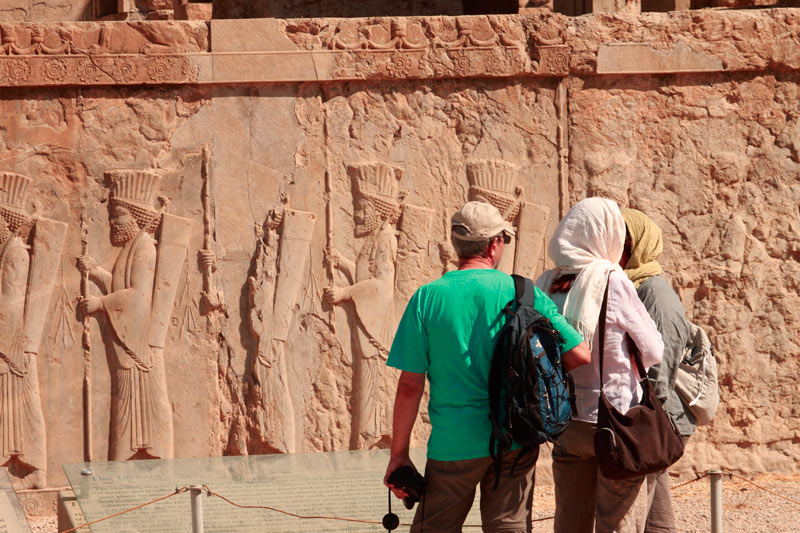
We then enter Persepolis, the ceremonial capital of the Achaemenid Empire and one of the greatest expressions of the power of this empire.
In the grandeur of Persepolis, we can see the spirit of a civilization that viewed the world as a place for movement, building, order, and prosperity. Creating such a complex required enormous organization, human resources, knowledge, and a clear vision of society. Here, human beings did not see themselves merely as spectators of the world; they took part in building and developing it.
Centuries later, this approach to life continued in new forms in Islamic Iran: in cities, gardens, mosques, bazaars, and the arts that we will see throughout the rest of the journey.
In the afternoon, we return to Shiraz.
Accommodation: Shiraz
DAY 9 — Shiraz; The City of Mysticism
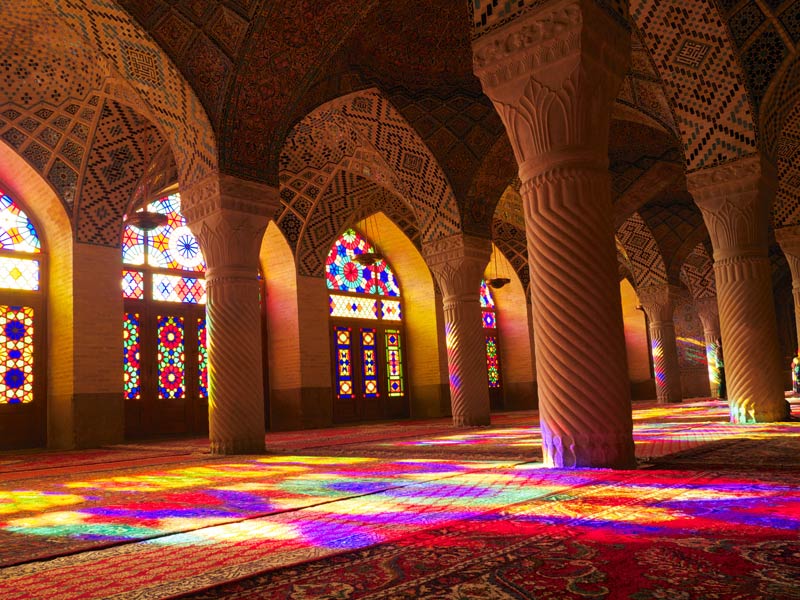
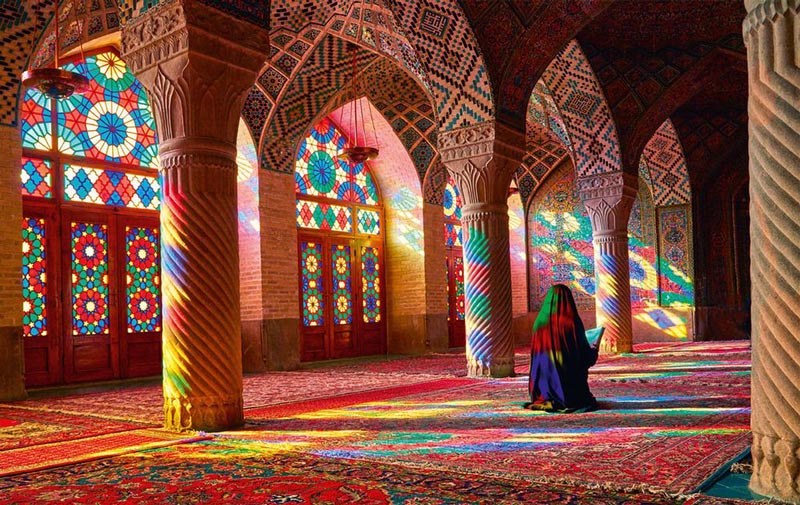
We begin early in the morning at Nasir al-Mulk Mosque, when light enters the prayer hall through the colored glass and plays across the carpets and walls. Here we experience one of the most beautiful examples of Shiraz’s architecture at the time of day when the building is most strongly affected by the morning light.
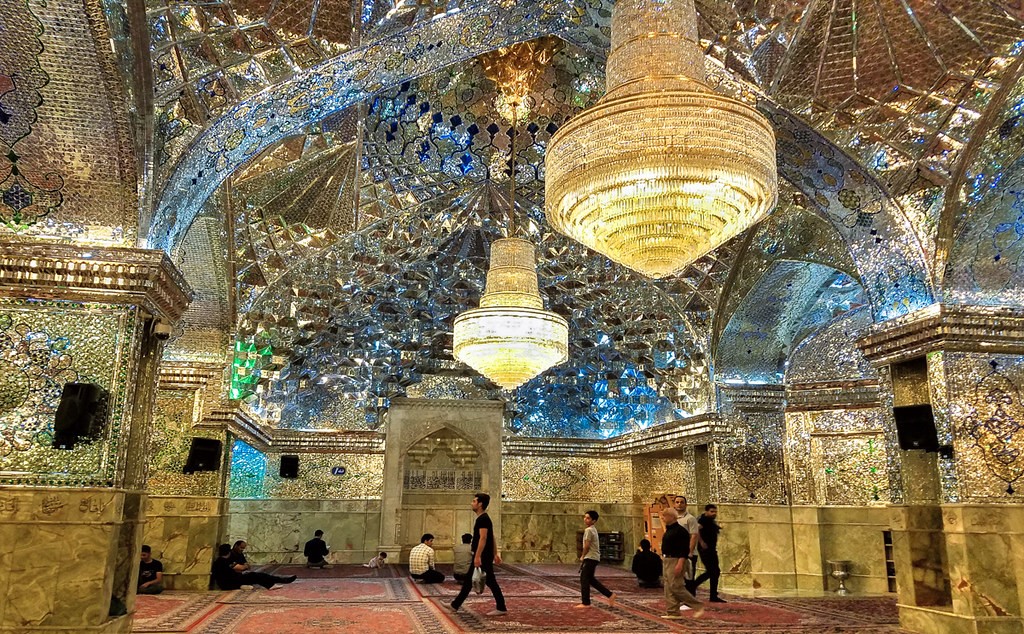
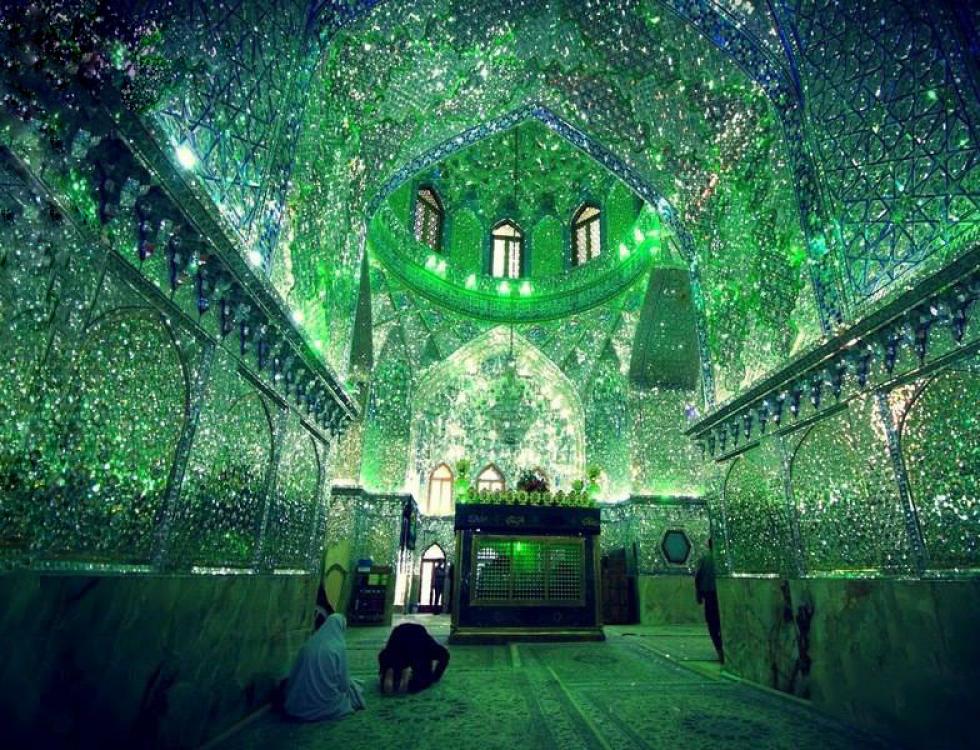
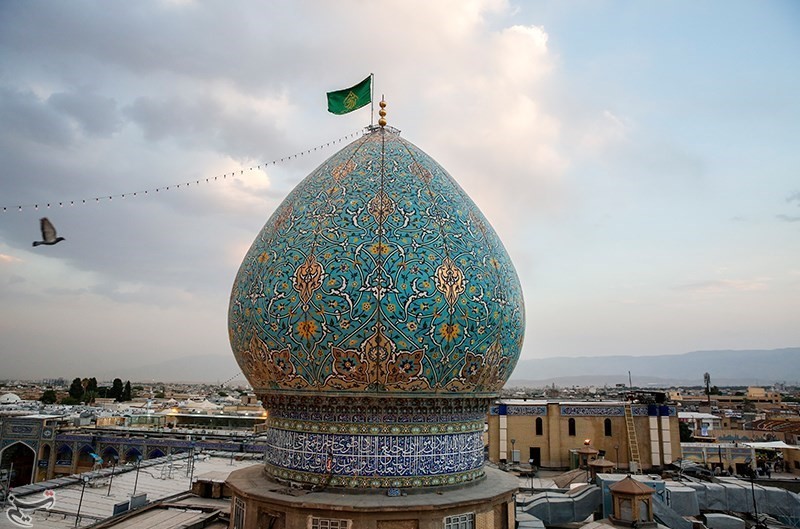
We then visit Shah Cheragh Shrine, the shrine of Ahmad ibn Musa, son of Imam Musa al-Kadhim and one of the most important religious centers of Shiraz. Mirrorwork, light, and the presence of pilgrims offer us a different experience of the culture of pilgrimage in Iran.
We then visit the shrine of Ali ibn Hamzeh. According to local accounts, Ali ibn Hamzeh took refuge around Shiraz to escape the Abbasids and was eventually killed by them.
We then hear a remarkable story about him. According to local tradition, after his martyrdom, Ali ibn Hamzeh picked up his own severed head and, while his body followed behind him, continued to the site of his present-day shrine. This story is connected with a poem attributed to Hafez:
“Blessed is that slain one who, after being killed,
Takes up his own head and follows after his killer.”
We hear this story as a traditional account from Shiraz, not as a confirmed historical report. But this very connection between pilgrimage, storytelling, and poetry leads us to one of Shiraz’s most important cultural figures: Hafez.
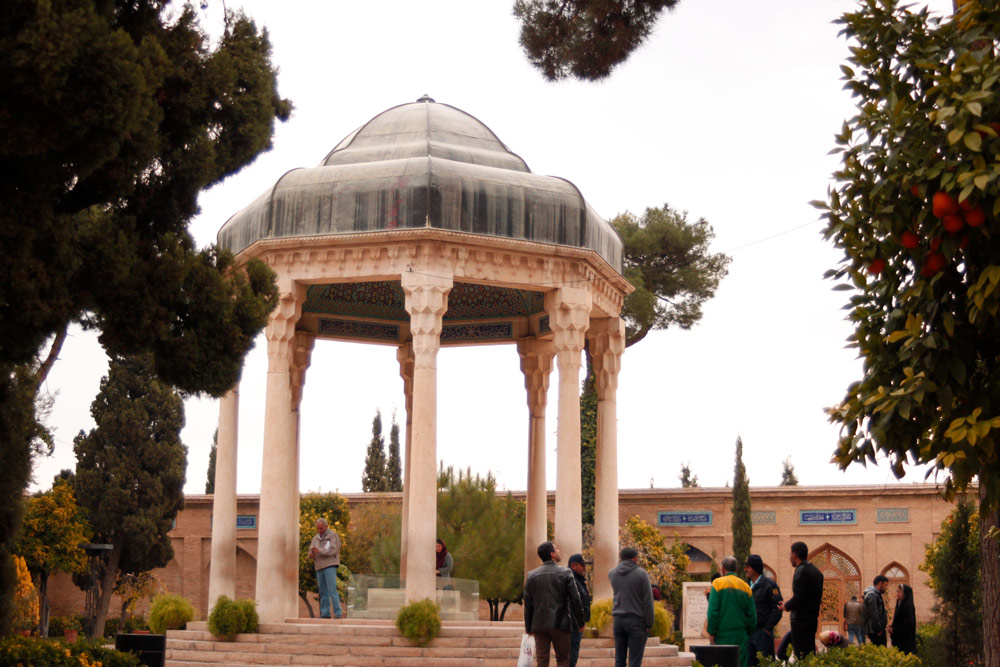
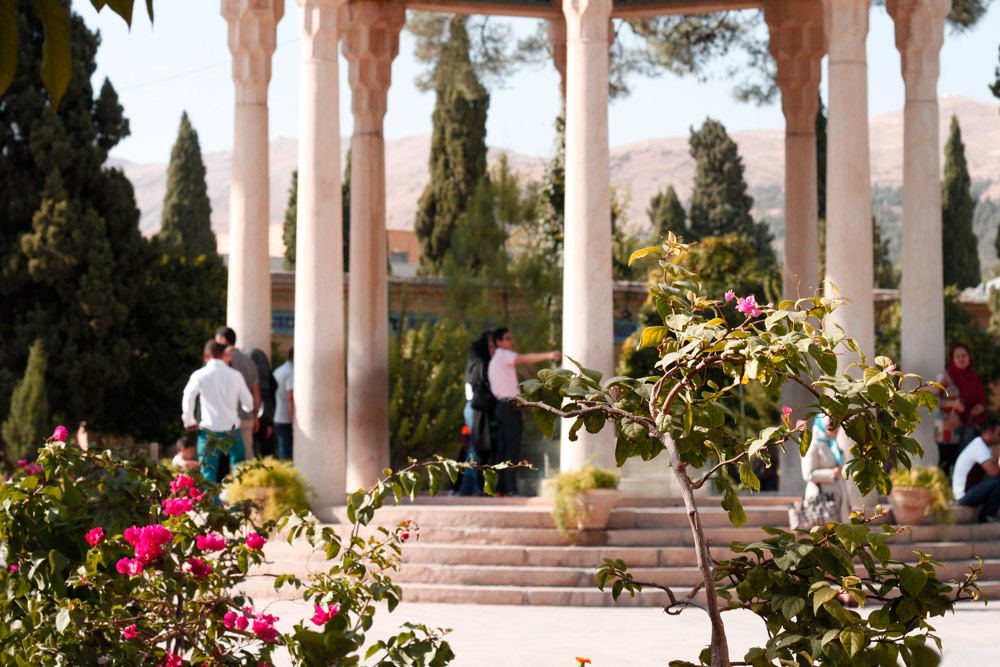
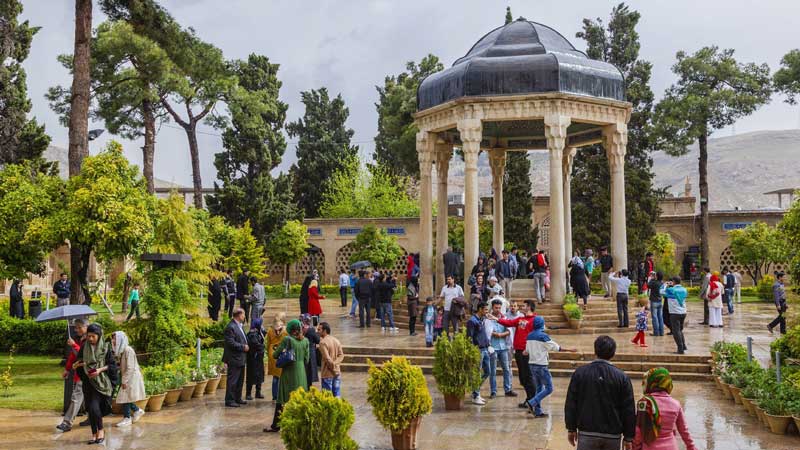
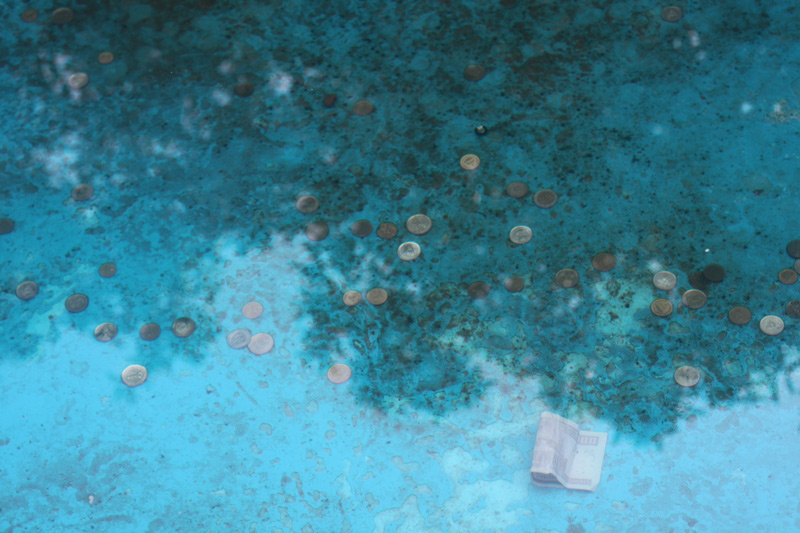
We spend the afternoon at Hafezieh, where Hafez’s poetry is still part of Iranian life. Here we talk about love, mysticism, the rind, and Hafez’s view of outward appearance and inner reality, ending the day in the atmosphere of the city where Hafez lived and wrote his poetry.
Accommodation: Shiraz




DAY 10 — Shiraz; The Zand Dynasty & Saadi
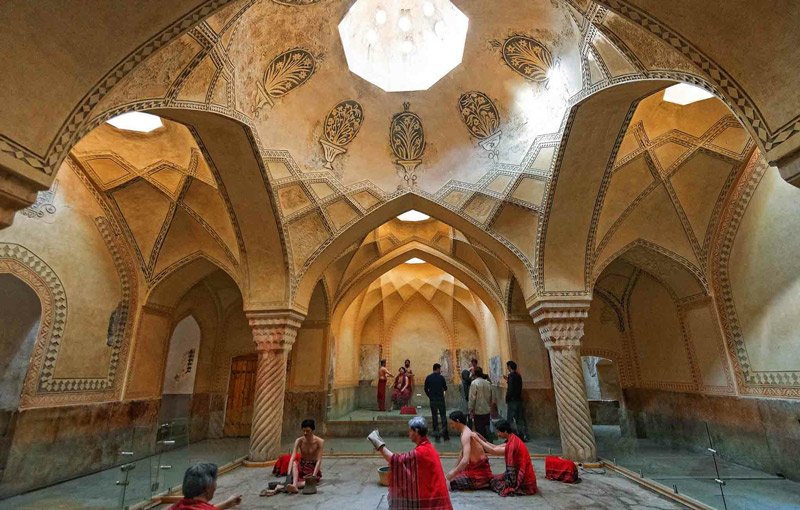
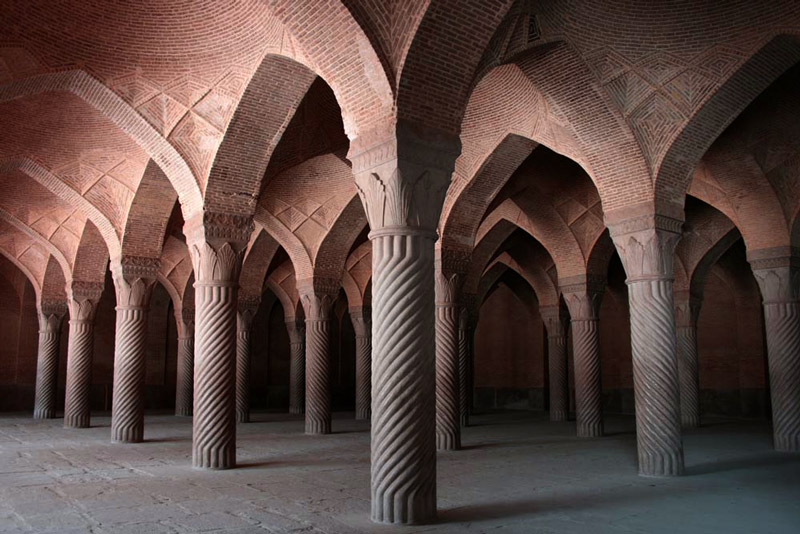
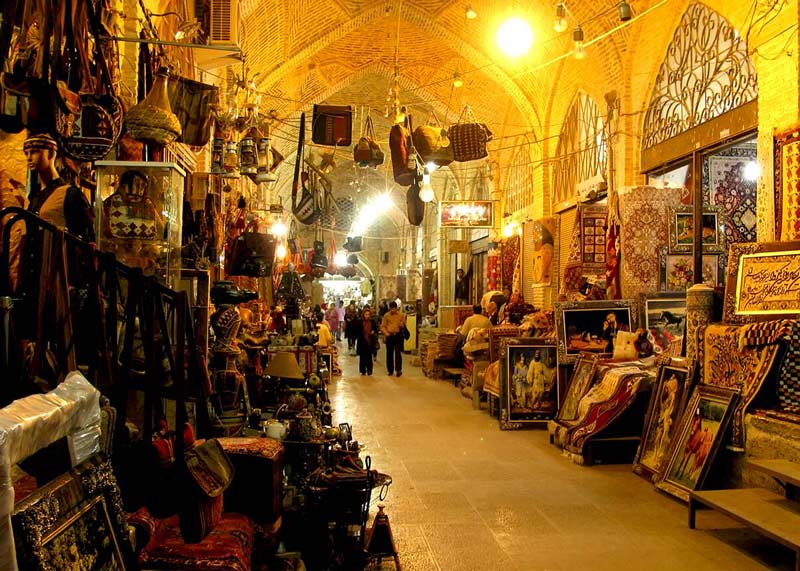
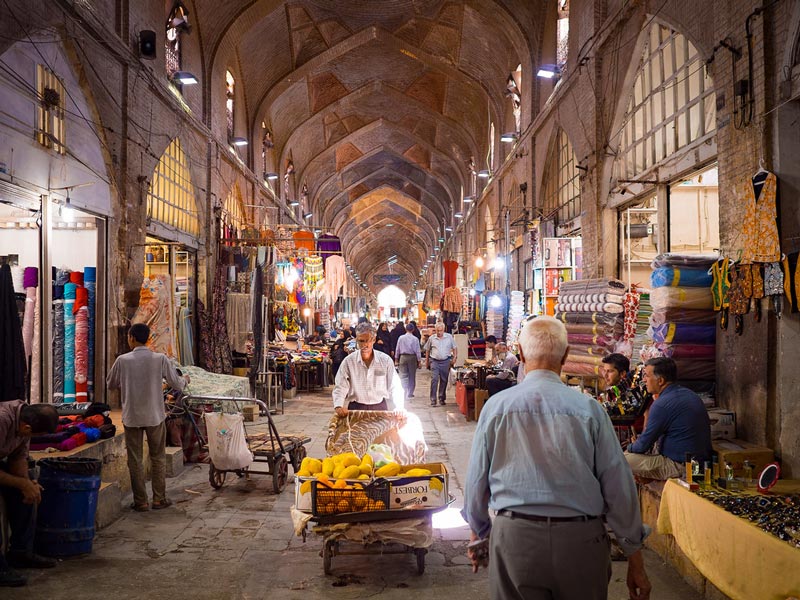
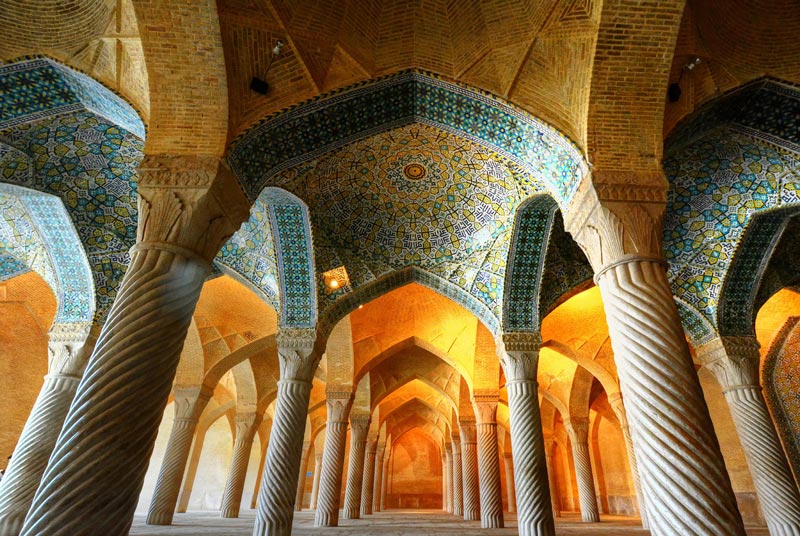
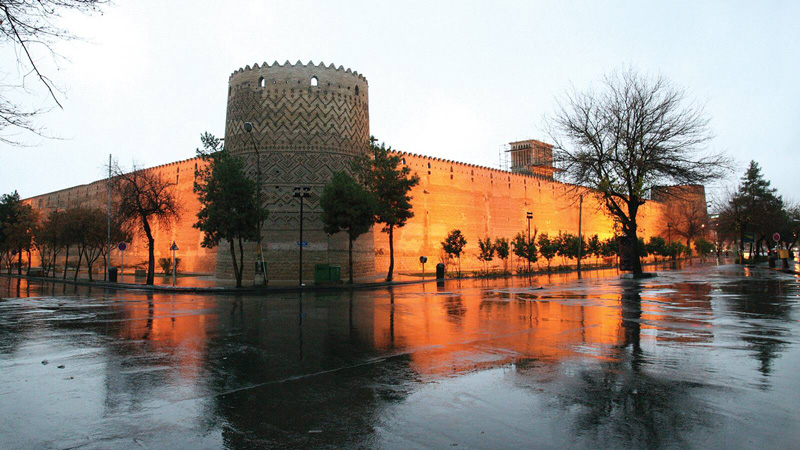
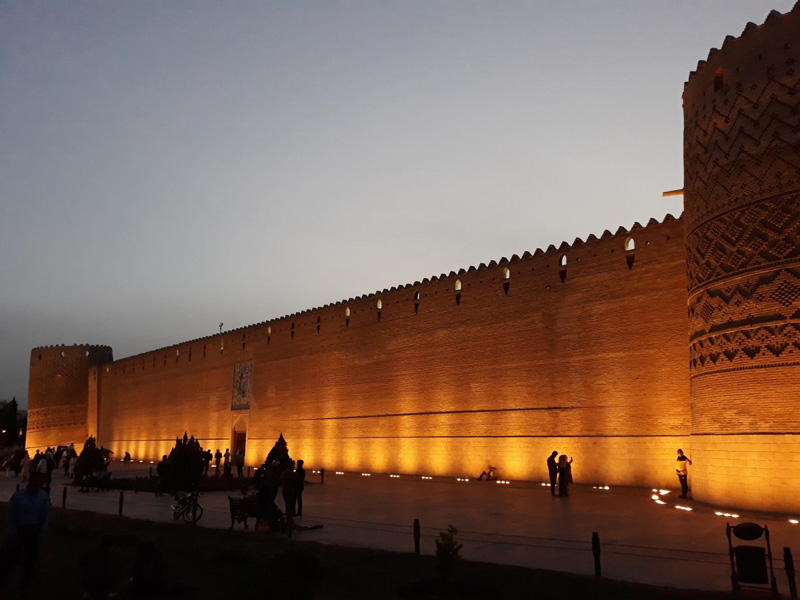
We begin the morning with the Vakil Complex, which was created in the heart of Shiraz during the Zand period under the orders of Karim Khan Zand. We visit Arg of Karim Khan, Vakil Mosque, Vakil Bathhouse, and Vakil Bazaar, and become familiar with a city that during the Zand period became one of the most important political and commercial centers of southern Iran.
At Vakil Bazaar, we experience the urban life of Shiraz up close; its shops, market lanes, and architecture designed for commerce and interaction between people. At Vakil Mosque, we also encounter one of the distinctive examples of Zand-period architecture.
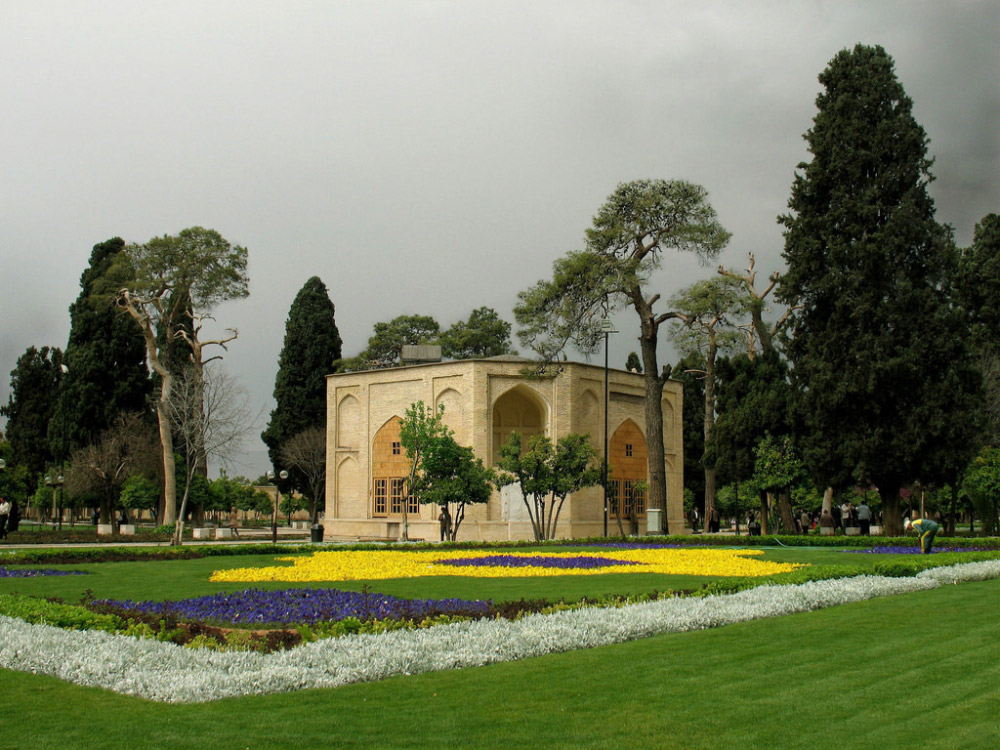
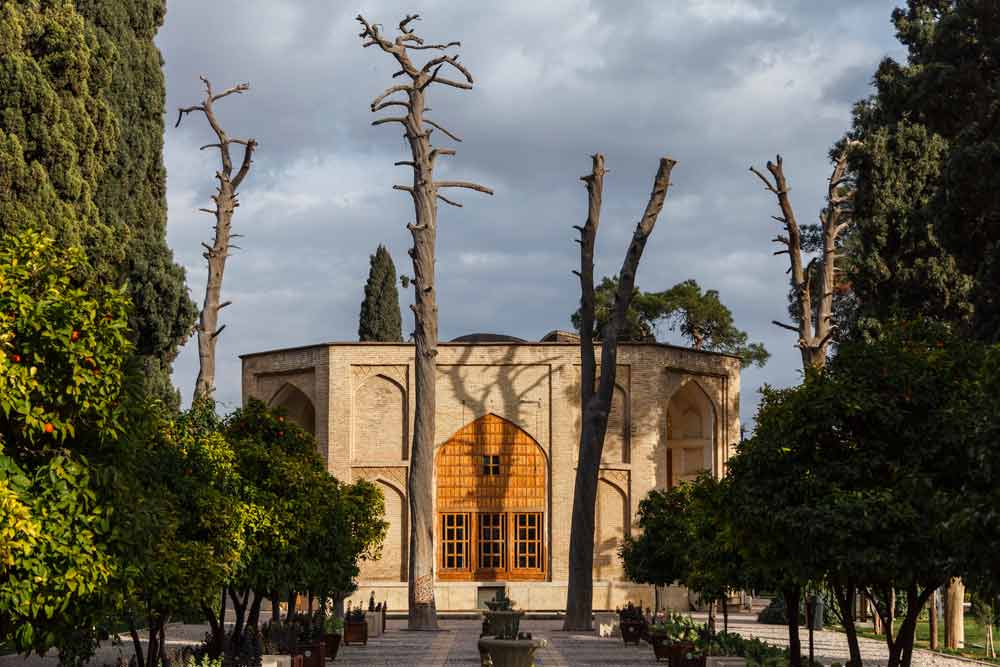
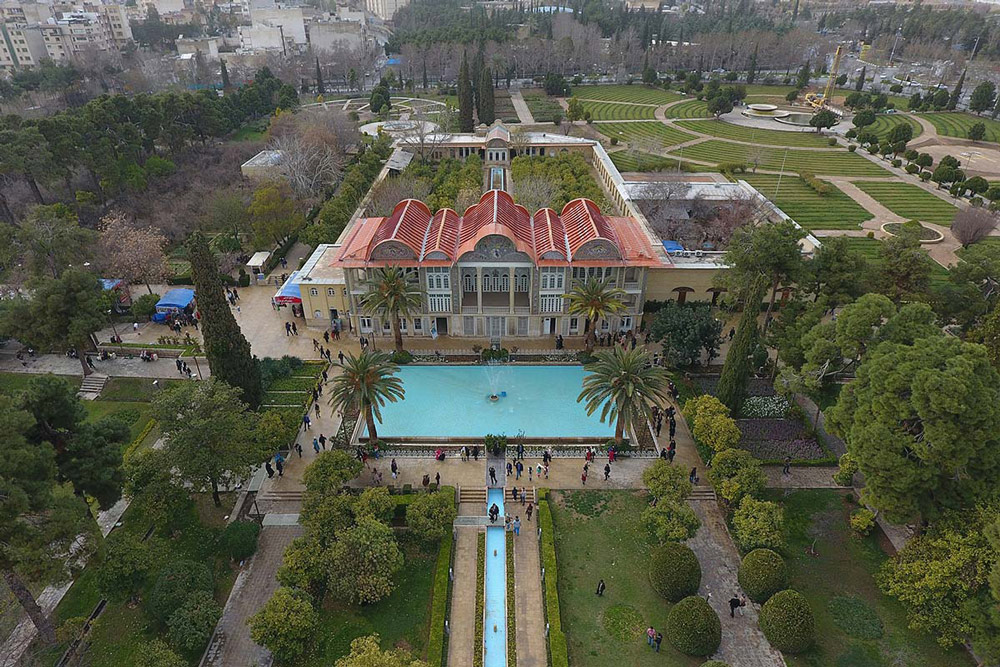
We spend the afternoon at Jahan Nama Garden and Eram Garden, two examples of the Persian garden tradition that take on a special meaning in Shiraz, the city of gardens and poets.
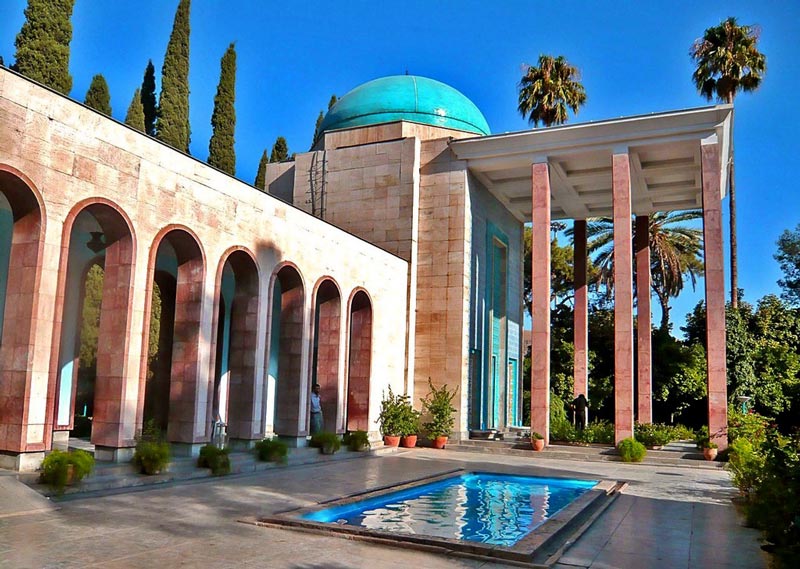
In the evening, we visit the tomb of Saadi. Saadi is not only one of the greatest poets of the Persian language; his works are filled with reflections on ethics, humanity, social life, and the relationship between people.
We end the evening beside Saadi’s tomb and its famous fish pond.
We stay in Shiraz tonight and the following morning fly to Mashhad.
Accommodation: Shiraz

DAY 11 — Mashhad; The Heart of Pilgrimage
In the morning, we fly from Shiraz to Mashhad. After arrival and settling into the hotel, we leave the afternoon for rest.
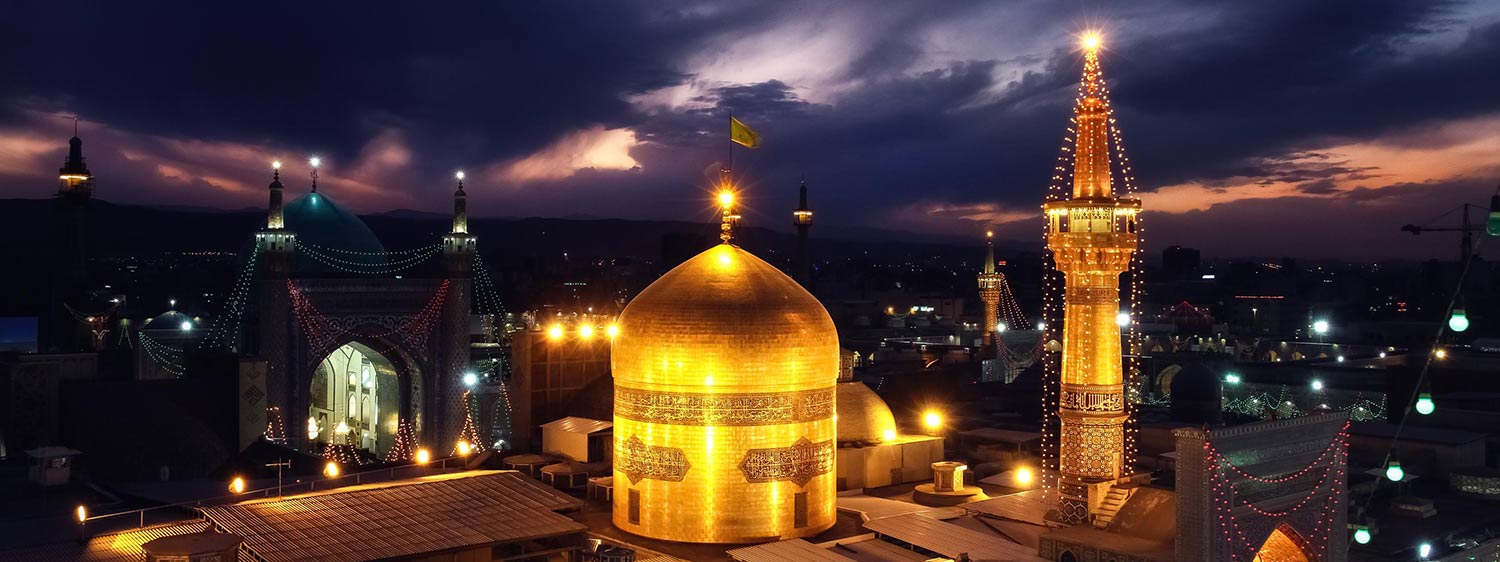
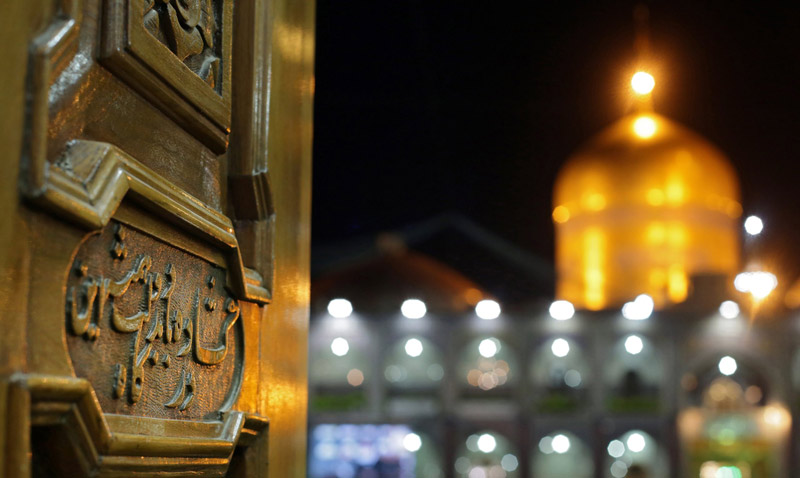
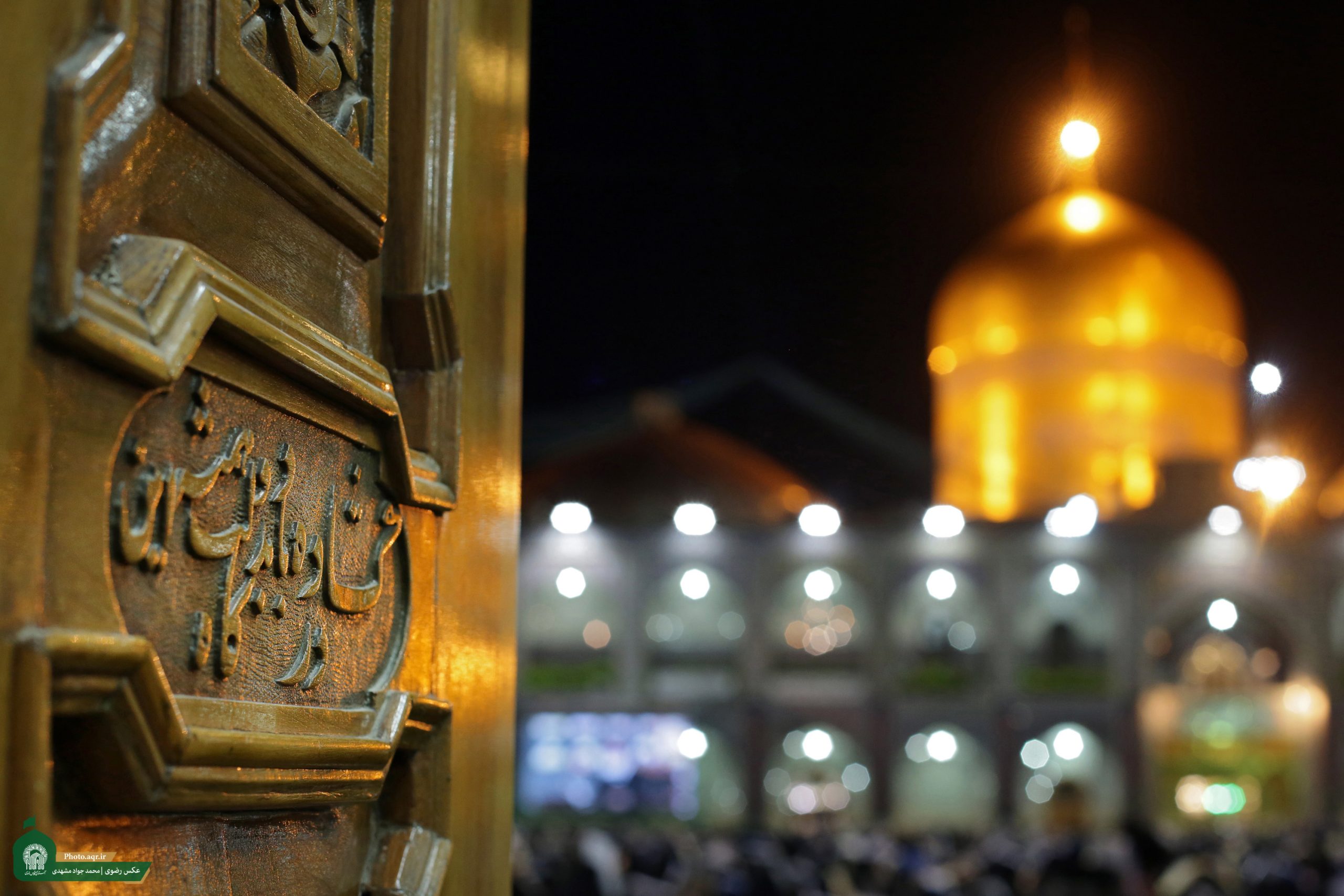
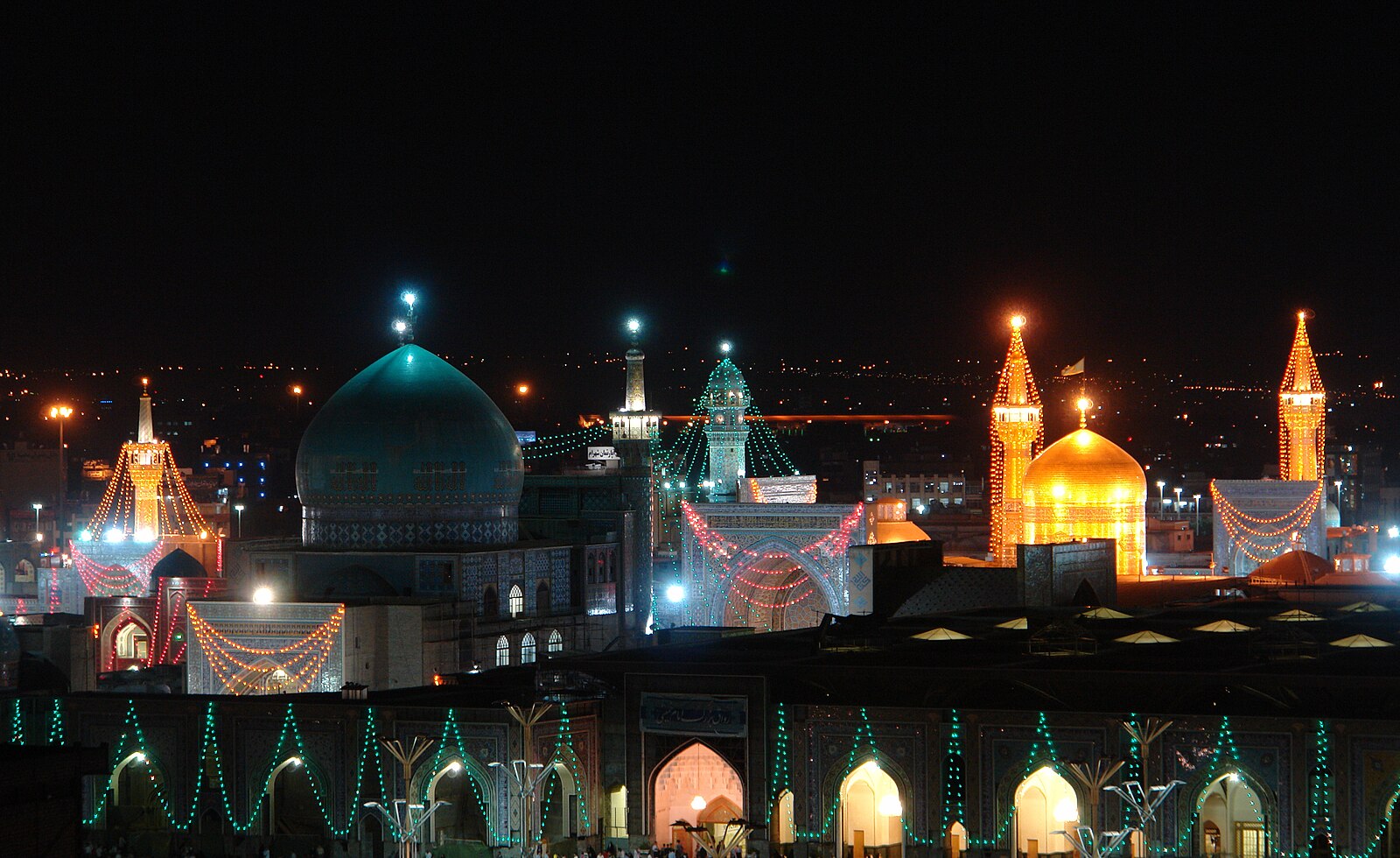
In the evening, we enter the Shrine of Imam Reza for the first time; the spiritual heart of Mashhad and the most important Shia pilgrimage destination in Iran.
Imam Reza, the eighth Imam of Shia Muslims, came to Khorasan in 817 CE. Ma’mun, the Abbasid caliph, appointed him as his heir and successor. Imam Reza did not live for long afterward and died in Khorasan in 818 CE. His tomb later became the center around which the city of Mashhad developed.
For this reason, in Iran Imam Reza is sometimes called “Shah,” a title connected both with his position as the Abbasid caliph’s heir and with the special love and respect that the people of Iran have for him.
When you enter the shrine, pause for a moment and look at yourself. Perhaps you are here because you have been called!
In Iranian pilgrimage culture, being “called” is not merely an expression. A pilgrim may say that if Imam Reza had not wanted you to come, perhaps this journey would never have happened.
So look at yourself once again; perhaps you really were called!
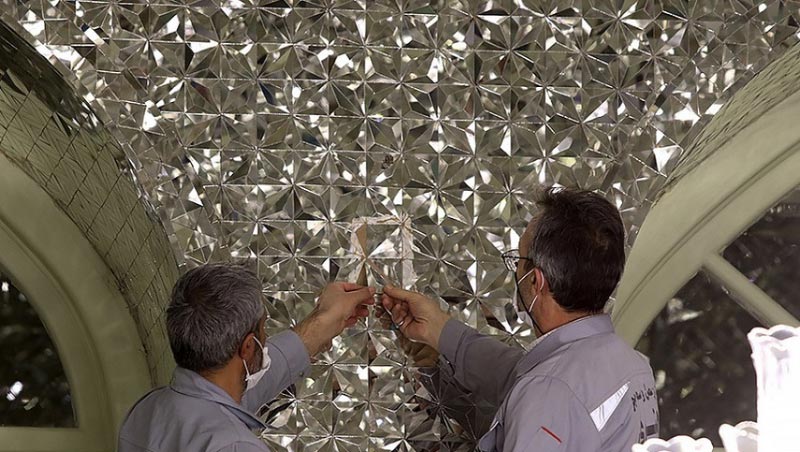
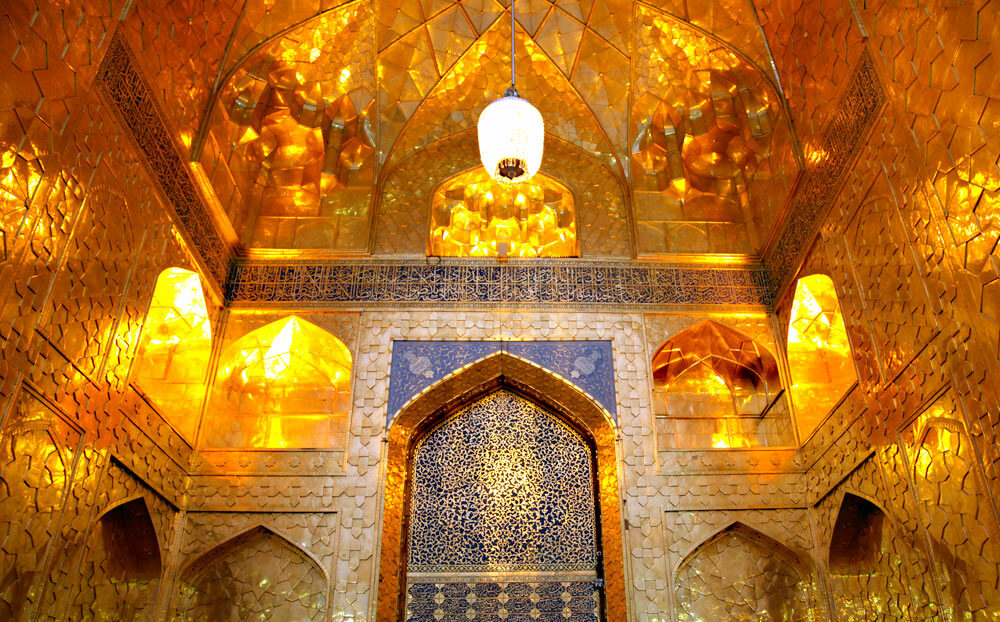
We then walk through different parts of the shrine and encounter one of the most remarkable examples of religious mirrorwork in Iran; a distinctly Iranian art form that reached its height in the prayer halls, iwans, and ceilings. Each prayer hall has its own composition and pattern of mirrorwork, and when you look up at the ceiling, thousands of pieces of mirror scatter light throughout the space.
Among these reflections, you see your own image; but gradually your gaze rises from yourself upward. It is as though the mirrors take you from seeing yourself toward searching for God. This combination of light, mirrors, height, and the atmosphere of the shrine creates a deeply spiritual experience.
Imam Reza holds a special place among Iranian Shia Muslims. Respect and devotion toward him have also been reported in some Sunni communities and among some Iranian Christians; something that shows that his place in the culture of Khorasan and Iran has not remained limited to the boundaries of a single community.
One of the special experiences here is the Imam Reza communal meal. This meal has a special sacred significance for pilgrims, and not everyone receives it. If you are lucky and truly ask Imam Reza, perhaps the meal will be offered to you as well!
Alongside its religious importance, Mashhad gained greater political importance during the period of Nader Shah Afshar. Nader Shah paid particular attention to the Shrine of Imam Reza, and part of the grandeur and expansion of the shrine complex took place during his reign.
We spend this evening in the shrine without rushing; a place where the history of Imam Reza, the politics of the Abbasid caliphate, Iranian art, and the personal experience of pilgrimage meet in one place.
Accommodation: Mashhad
DAY 12 — Nader Shah & Ferdowsi
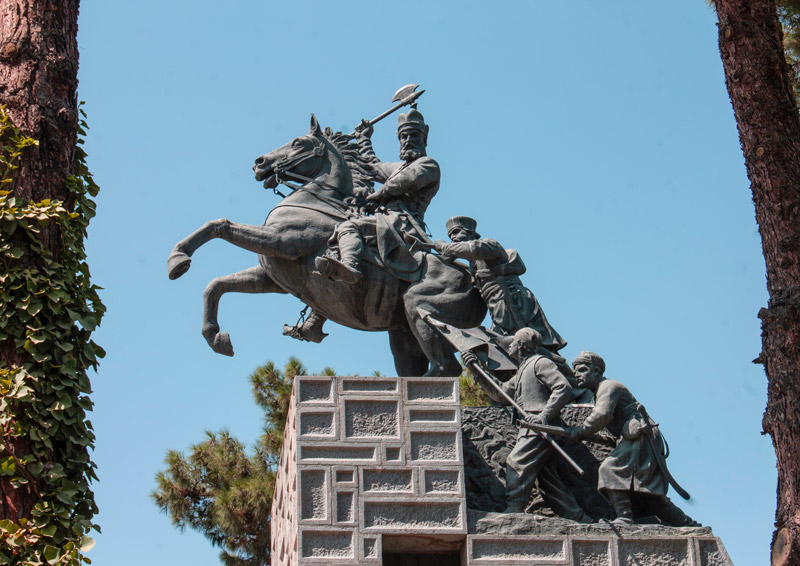
We begin the morning with a visit to the tomb of Nader Shah. Nader Shah was one of the greatest military commanders of the 18th century, and his conquests once again made Iran one of the major powers of the region. Because of his military ability and extensive conquests, some historical sources have called him the “Napoleon of the East.”
Nader Shah also gained particular importance in Mashhad and for a time turned the city into the political center of his government. His attention to the Shrine of Imam Reza is also part of the history of this city.
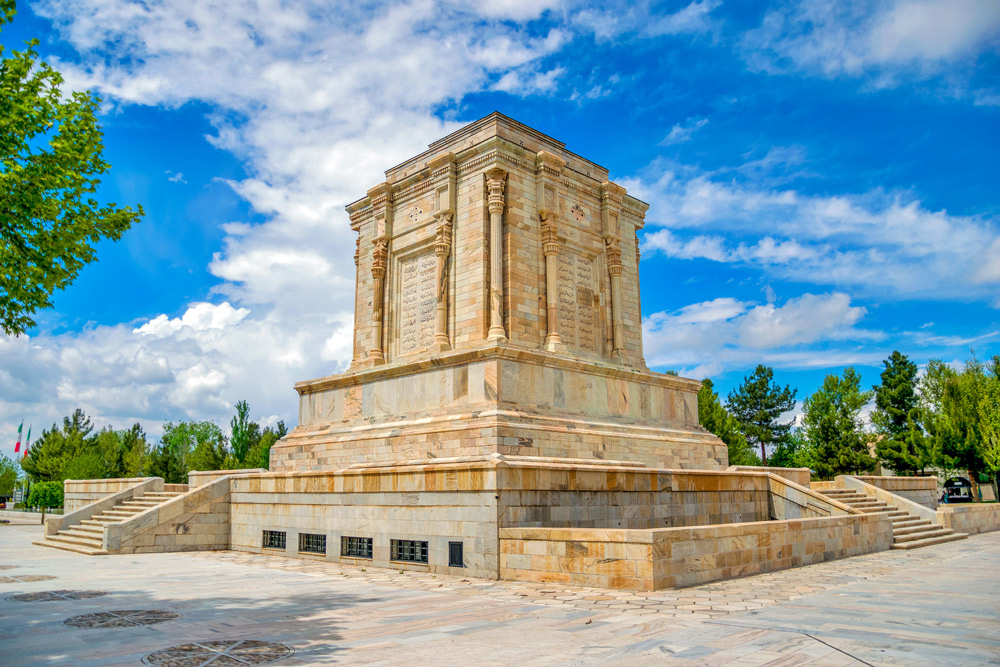
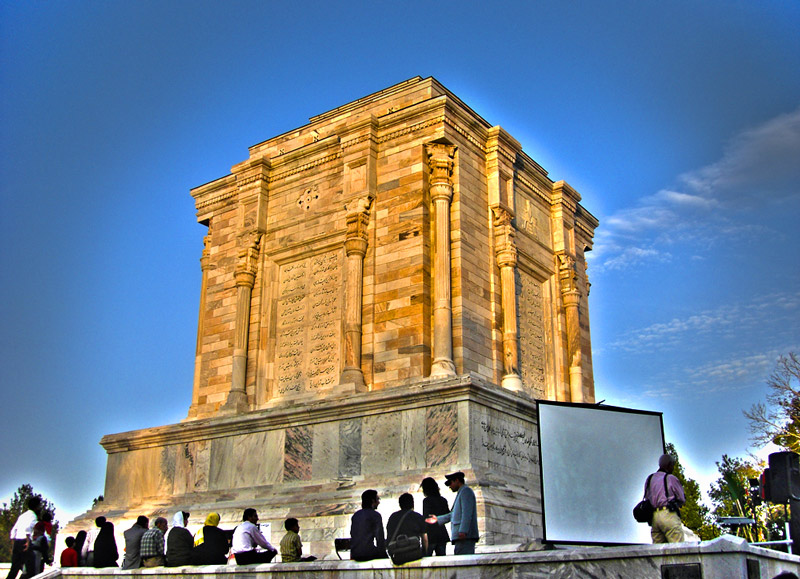
But our main destination today is Tus and the tomb of Ferdowsi.
Ferdowsi, the great poet of the Shahnameh, lived in the 4th century AH. He was Muslim and Shia and lived several centuries after the arrival of Islam in Iran. Yet he preserved a large part of Iran’s ancient stories and myths in the Persian language and passed them on to later generations.
At Ferdowsi’s tomb, we enter the world of the Shahnameh; a world of mythology, heroism, kings, the struggle between good and evil, and above all, justice and oppression.
Many of these stories have roots in very ancient Iranian traditions, and some of them are connected with the Zoroastrian worldview and the concepts of truth and order.
Here, one of the most important themes of the journey comes before us once again: how Iran changed after Islam while also continuing part of its past in new forms.
In Zoroastrian tradition, the concept of Asha is connected with truth, order, and moral correctness. In Twelver Shia Islam, Adl—justice—is also one of the fundamental principles of faith. These two concepts are not identical, but both show that truth, justice, and the struggle against oppression have held an important place in the intellectual traditions of Iran.
Ferdowsi does not express this concept in the language of philosophy; he presents it through wisdom, stories, and the destinies of human beings.
In the Shahnameh, a good king is known by his justice, while an oppressive king ultimately faces the consequences of his oppression. Stories such as those of Iraj and Siavash repeatedly place human beings between justice and oppression, loyalty and betrayal, and good and evil.
And perhaps Ferdowsi himself gave the most beautiful summary of this idea in the story of Fereydun:
“Fereydun the fortunate was no angel,
He was not fashioned from musk and amber.
He gained his goodness through justice and generosity;
Give justice and generosity, and you are Fereydun.”
Here, Fereydun is not a supernatural being. His goodness comes from “justice” and “generosity”—from dad and dehesh. In other words, becoming a hero is not something given to a person from birth; through his actions, a human being can become Fereydun.
Ferdowsi is not merely a poet of Iran’s past. He is one of the most important links between ancient Iran, the Persian language, and post-Islamic Iran; a Muslim poet who kept the ancient stories of Iran alive during the Islamic period and passed concepts such as justice, the just king, good and evil, and human responsibility to later generations through epic poetry.
After visiting Ferdowsi’s tomb, we have lunch in Shandiz, one of the best-known areas around Mashhad for traditional food, and then return to Mashhad.
Late at night, we return to the Shrine of Imam Reza once again; this time not to begin a pilgrimage, but to say goodbye to Imam Reza before continuing our journey.
At the end of this day, our path returns from the myths of ancient Iran and the Shahnameh to the pilgrimage of Imam Reza; two very different points in Iranian history that we have repeatedly seen alongside one another throughout this journey.
Accommodation: Mashhad


DAY 13 — Tehran Rest Day; Modern Iran
In the morning, we fly from Mashhad back to Tehran and, after arrival, settle into the hotel.
After several days of intensive travel, today is a chance to breathe a little and experience modern Tehran; a crowded, young, energetic city that is completely different from the historic and religious cities we have seen in the previous days.
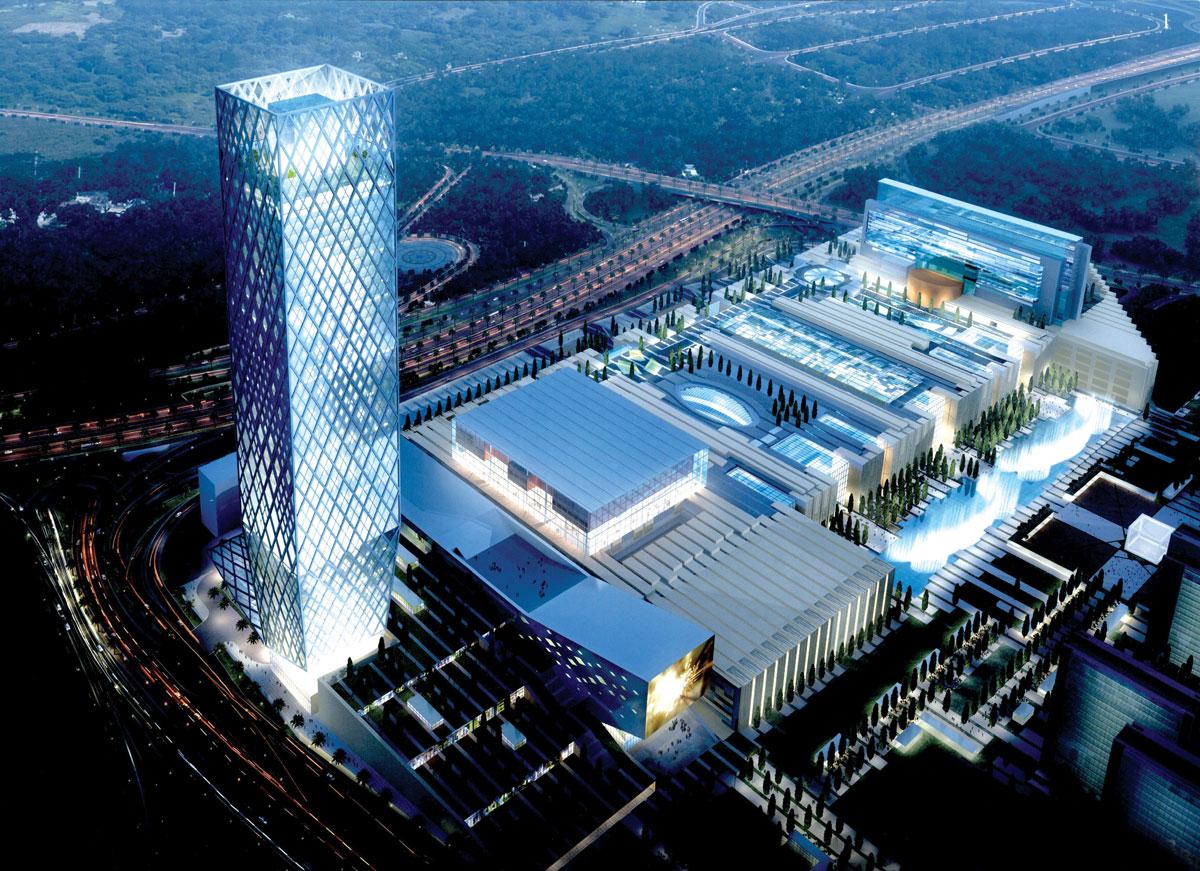
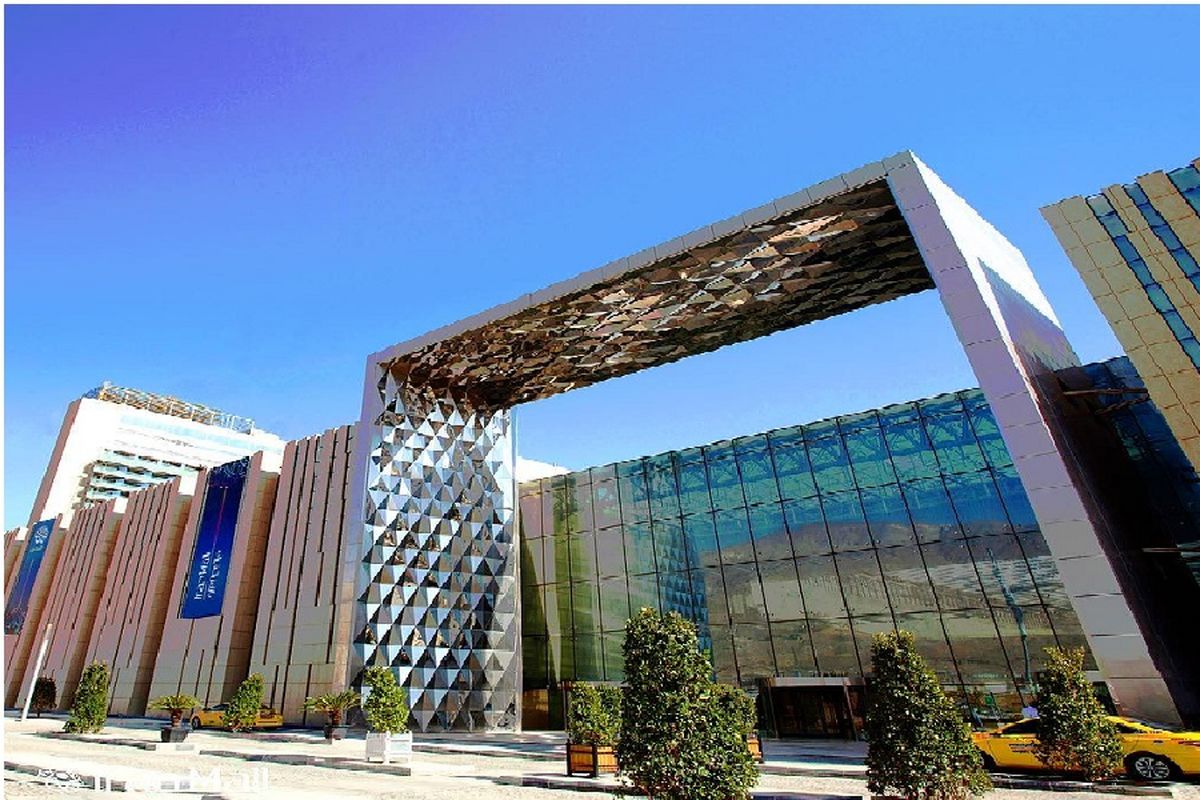
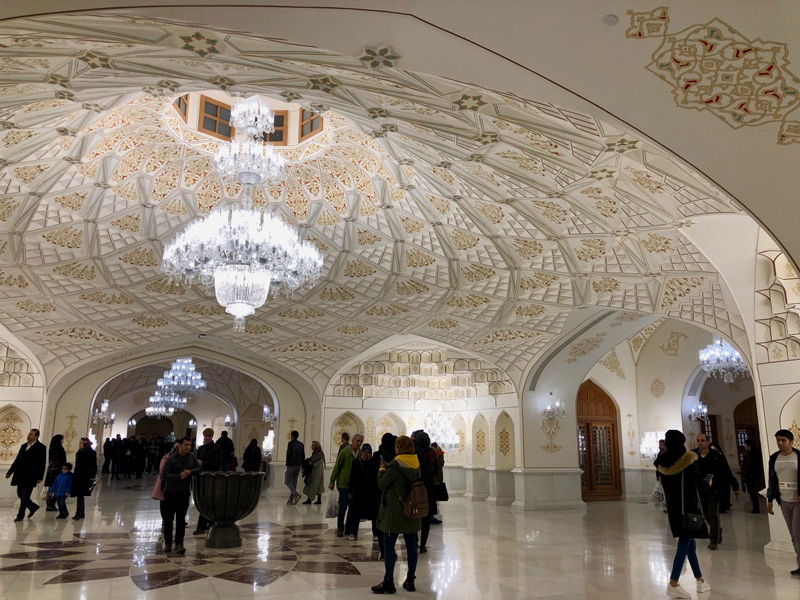
In the afternoon, we visit Iran Mall, one of the largest commercial and entertainment complexes in Tehran and the region. We walk around, visit a café, and have free time for shopping or exploring if we wish.
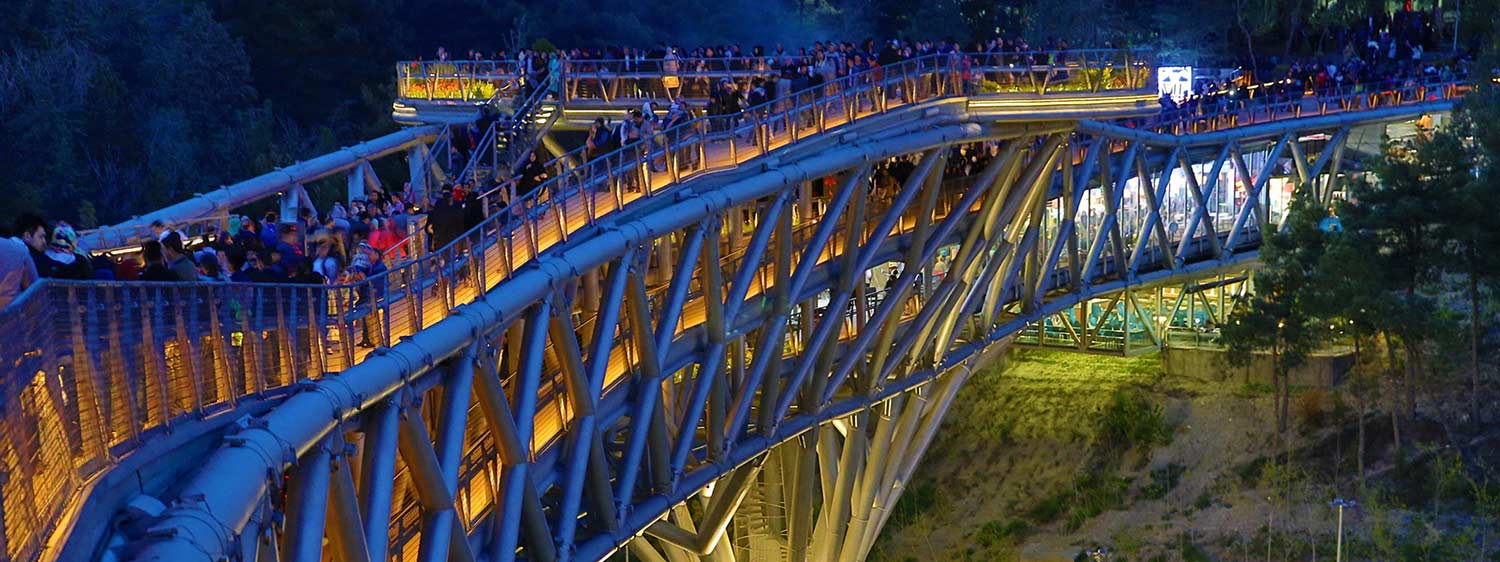
In the evening, we head toward Tabiat Bridge. Near sunset, we walk across the bridge, enjoy the view of Tehran, and take some time away from the intensive schedule of the journey.
We spend the evening at one of Tehran’s good cafés or restaurants, without a packed schedule, so that we can experience the final night of the journey in Tehran’s urban atmosphere, among its people and everyday city life.
At the end of the evening, we return to the hotel to pack and prepare for our flight and departure the following day.
Accommodation: Tehran


DAY 14 — Return
We begin the morning with breakfast at the hotel and leave Tehran for the last time.
After 14 days of travel, we leave the city where our journey began and head to the airport to return home.
Over these two weeks, we followed the path from ancient Iran and the Shahnameh to Shia Islam, from Safavid architecture and wisdom to pilgrimage in Qom and Mashhad. But perhaps most importantly, we became familiar with part of a culture that has changed over the centuries, taken on new forms, and continues to live in the everyday life of the people of Iran.
End of the Journey and Return Home
Dress Code & Religious Etiquette
Public clothing in Iran follows a modest dress code, while clothing at religious sites should be more conservative.
At many shrines, women can borrow a chador at the entrance. Inside religious sites, remain calm and quiet, and respect privacy when photographing people.
Food & Halal Dining
All food in Iran is halal. Food is also an important part of the journey, with regional traditions ranging from Kashan and Isfahan to Shiraz and Mashhad.
Iranian hospitality is often experienced through food, shared meals, and invitations to try local dishes.
What’s Included in the Tour
Included
- Selected hotels according to the itinerary
- Daily breakfast
- Transportation according to the itinerary
- Domestic flight from Shiraz to Mashhad
- Domestic flight from Mashhad to Tehran
- English-speaking local guide
- Entrance fees
- Airport reception and transfers
- Local travel support throughout the tour
Not Included
- International flights
- Personal expenses
- Lunches and dinners unless stated
- Travel insurance
- Visa-related costs
Who Is This Tour For?
This tour is a good fit if you:
- Want to understand Shia Islam through Iranian history and culture
- Want to see Iran beyond mosques and religious sites
- Are interested in Persian literature, philosophy, and mythology
- Enjoy history, architecture, archaeology, and traditional cities
- Want to experience pilgrimage as a living cultural practice
- Are interested in how religion and Iranian identity developed together
- Want a deeper cultural experience rather than a checklist of famous attractions
This tour may not be for you if you:
This is not an adventure tour, but the itinerary is relatively full, and there will be considerable walking in bazaars, historical sites, cities and shrines.
Bring comfortable walking shoes.
Traveling During Muharram
If you plan to travel during Muharram, let us know before booking. Muharram is an important month in Shia Islam, particularly because of the mourning traditions connected with Imam Hussein.
Depending on the dates, you may encounter processions, religious ceremonies, black banners, mourning gatherings, and other public expressions of remembrance. These can provide a different view of Shia culture, but local conditions should be checked for your exact travel dates.
Can This Journey Be Customized?
Yes. The itinerary can be adjusted around your interests, travel dates, preferred pace, accommodation level, and available time.
For travelers particularly interested in Shia history, additional religious destinations can be considered, such as the Sheikh Safi al-Din Ardabili Shrine in Ardabil.
You can also change the number of nights in individual cities, add free time, increase the historical focus, or adjust the balance between religious and cultural experiences.
Frequently Asked Questions
Do I need to be Muslim to join this tour?
No. The tour is designed for travelers who want to understand Shia Islam and Iranian culture, regardless of their own religious background.
Is this only a religious tour?
No. Religious history is one part of the journey alongside ancient Iran, Persian literature, architecture, philosophy, food, traditional life, and contemporary Iranian culture.
Can non-Muslims visit the shrines?
Non-Muslim visitors can visit many shrine complexes, although access to particular areas can vary. Your local guide will explain the appropriate etiquette and access rules.
Will I experience everyday Iranian life?
Yes. The itinerary includes traditional houses, bazaars, local food, markets, gardens, and ordinary urban spaces alongside major historical and religious sites.
Is the tour physically demanding?
It is not an adventure or trekking tour, but it is a relatively full cultural itinerary with considerable walking.
What if I am interested in Shia Islam but not very religious?
The purpose is to understand Shia Islam through history, culture, architecture, literature, rituals, and everyday life rather than to promote a particular belief.
Can I make the tour shorter or longer?
Yes. The route can be shortened, extended, or combined with other destinations depending on your interests and available time.
When is the best time for this tour?
Spring and autumn are generally the most comfortable seasons for the full itinerary, especially for walking and sightseeing.
Can I travel during Muharram?
Yes, but tell us your dates in advance. Religious ceremonies and public mourning traditions can significantly change the atmosphere of cities and shrines during Muharram.
Is all food halal?
Food in Iran is halal. Vegetarian and other dietary requirements can be arranged when communicated in advance.
What should I wear?
Public clothing in Iran follows a modest dress code. Women need a headscarf and clothing covering the arms and legs; men should avoid shorts in public spaces. More conservative clothing is appropriate at religious sites.