Discover Iran through its historic bazaars, traditional trading streets, caravanserais and artisan workshops. From the copperware shops of Shiraz to the carpet merchants of Isfahan and the bustling Grand Bazaar of Tehran, this journey explores how commerce, craftsmanship and everyday life have shaped Iranian culture for centuries.
Route: Shiraz – Yazd – Meybod – Isfahan – Kashan – Tehran
Duration: 10 Days
Best Seasons: March–May • September–November
Tour Focus: Historic Bazaars, Persian Handicrafts, Trade & Local Culture
Tour Price
From $1,390 per person

Discover Iran Through Its Bazaars
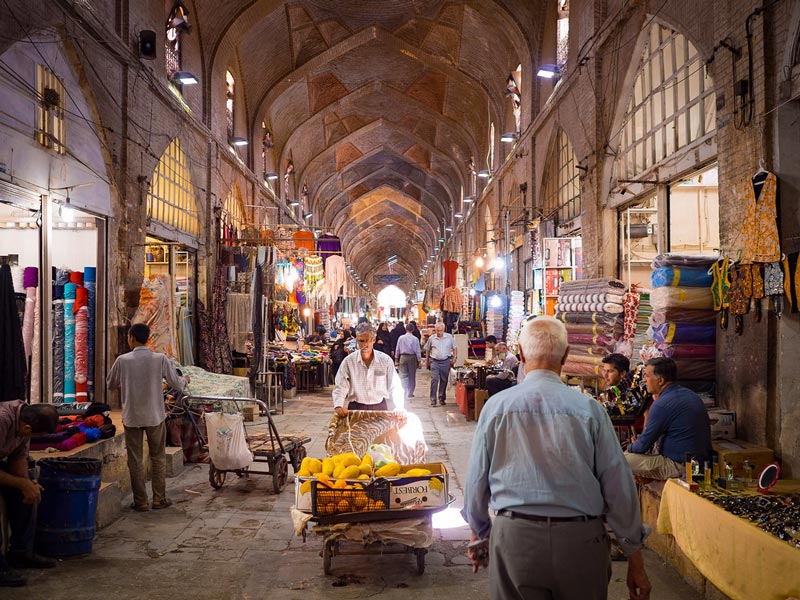
In Iran, a bazaar is much more than a place to shop. It is a network of streets, courtyards, covered passages and traditional commercial buildings where merchants, craftspeople and customers have met for generations.
The Persian word “bazaar” is used internationally today. Iran’s trading traditions stretch back thousands of years, although the surviving historic bazaars belong to different periods and have been developed and rebuilt over time.
During this tour, you will learn how a traditional bazaar works, meet local craftspeople where possible, explore specialist trading streets and discover the differences between historic marketplaces and modern shopping centres.
Tour Highlights
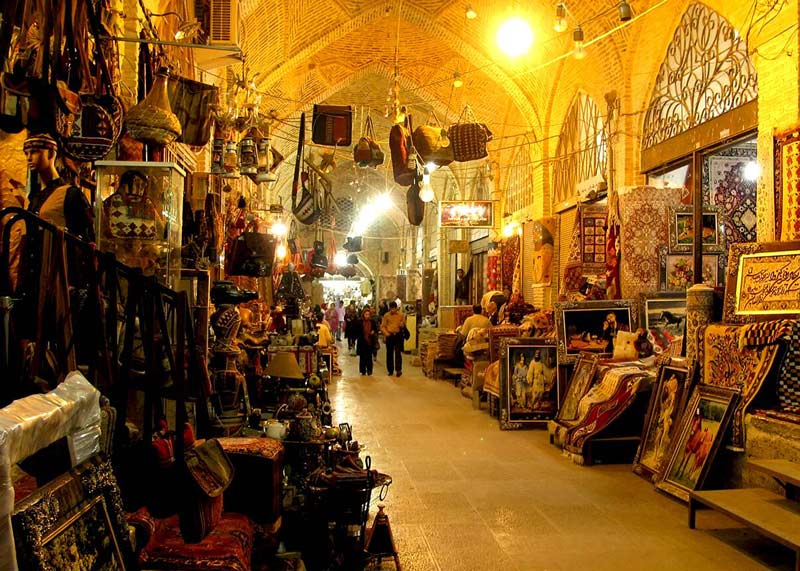
- Explore Vakil Bazaar and Saraye Moshir in Shiraz, known for their traditional architecture, antique shops and handicrafts.
- Discover the historic bazaars and trading traditions of Yazd.
- Visit Meybod and learn about the role of caravanserais in historic trade and travel.
- Explore Qeysarieh Bazaar beside Naqsh-e Jahan Square in Isfahan.
- See Persian carpets, copperware and traditional engraving in Isfahan’s specialist streets and workshops.
- Walk through Kashan Bazaar and admire the architecture of Timcheh Amin al-Dowleh.
- Experience the scale and commercial energy of Tehran’s Grand Bazaar.
- Explore Tajrish Bazaar and a traditional fruit and vegetable market.
- Visit the National Jewelry Treasury, subject to its opening schedule and availability.
- Finish with a visit to Iran Mall, one of Tehran’s major modern shopping and leisure complexes.
What You Will Learn and Experience
Understanding the Structure of a Bazaar
As you explore different markets, your guide will explain the traditional elements that make up a Persian bazaar:
- Rasteh: A main or specialist trading street, often associated with a particular type of merchandise.
- Sara: A courtyard or commercial complex used by merchants and traders.
- Timcheh: A covered commercial space, often associated with valuable or specialist goods.
- Caravanserai: A historic inn and trading facility where travelling merchants could rest, store goods and conduct business.
- Chaharsooq: A major intersection or junction within a bazaar, traditionally an important meeting point in the market network.
The exact layout and terminology vary from one bazaar to another. Seeing these features in context will help you understand how historic markets were organised.
Meet Traditional Craftspeople
Where arrangements and workshop schedules permit, you will meet craftspeople and observe traditional techniques. Depending on local availability, these may include copperworking, engraving, carpet weaving or related handicrafts.
You will learn how materials are selected, how designs are created and how skills are passed between generations. Workshop visits depend on the artisans’ availability and are not guaranteed demonstrations unless specifically confirmed.
From Historic Trade to Modern Shopping
Iran’s traditional bazaars and modern shopping centres serve different purposes. In historic markets, commercial activity often takes place alongside workshops, religious buildings and neighbourhood life. Modern malls bring together retail brands, restaurants, entertainment and leisure facilities.
By visiting both, you will see how shopping habits have changed while traditional crafts and trading practices continue in many parts of Iran.
Day-by-Day Itinerary
DAY 1 — Arrival in Shiraz and Vakil Bazaar
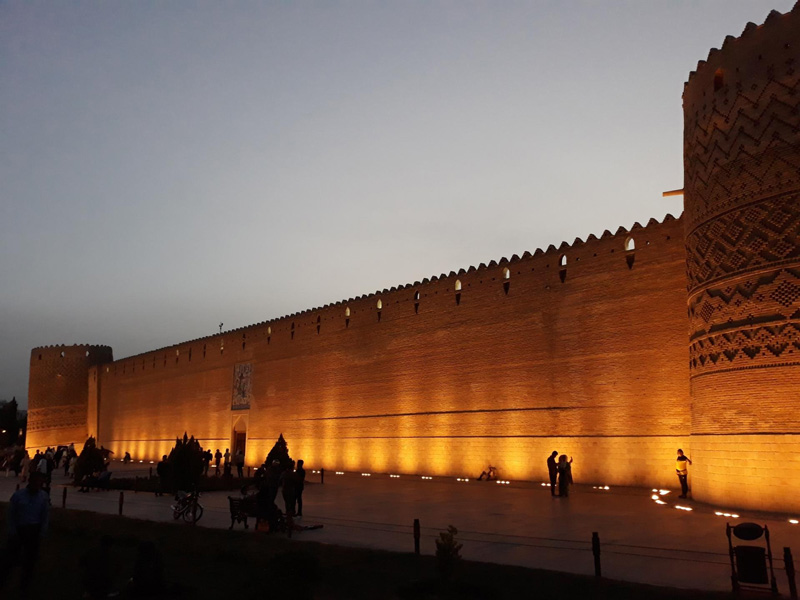
Arrive in Shiraz and transfer to your hotel. Depending on your arrival time, begin exploring the historic centre and Vakil Bazaar.
Walk through covered passages lined with shops selling textiles, spices, handicrafts and everyday goods. Observe the bazaar’s traditional architecture and learn how its different sections connect with the surrounding historic district.
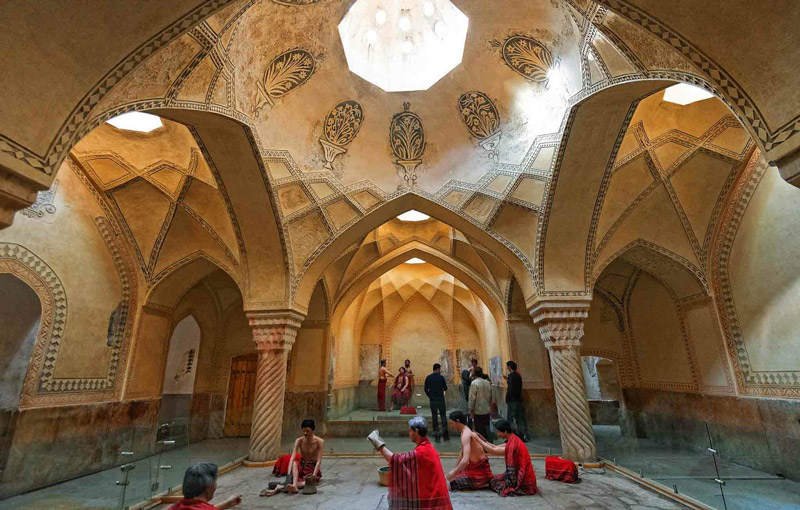
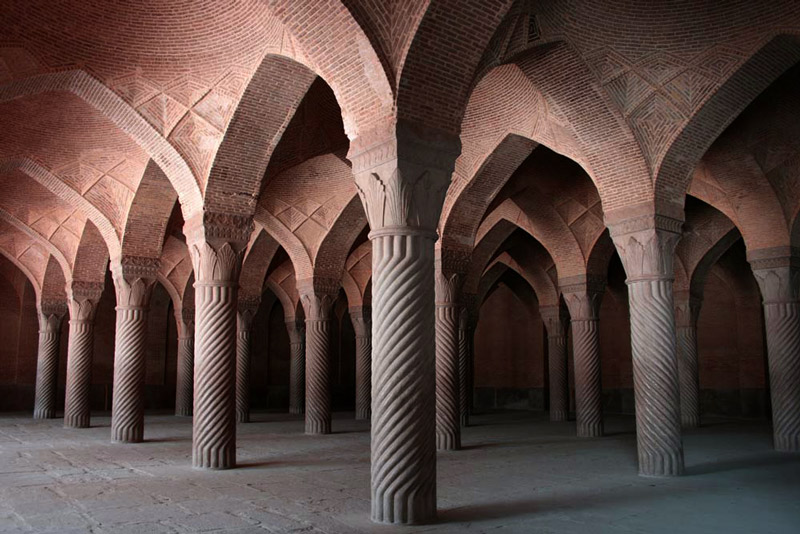
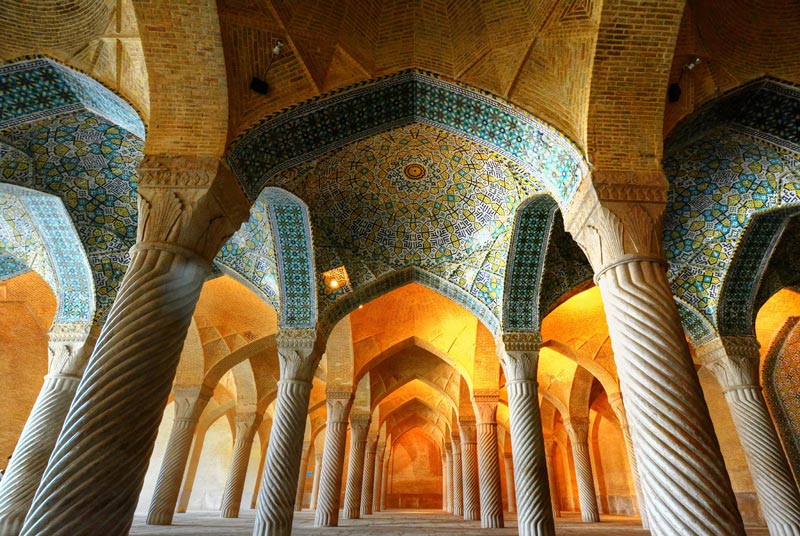
You may also visit Vakil Mosque and Vakil Bath, subject to opening hours and the day’s schedule.
Overnight: Shiraz


DAY 2 — Saraye Moshir, Antiques and Artisan Traditions
Continue exploring Shiraz’s historic commercial quarter, including Saraye Moshir, a traditional courtyard complex with shops selling handicrafts, decorative objects and other goods.
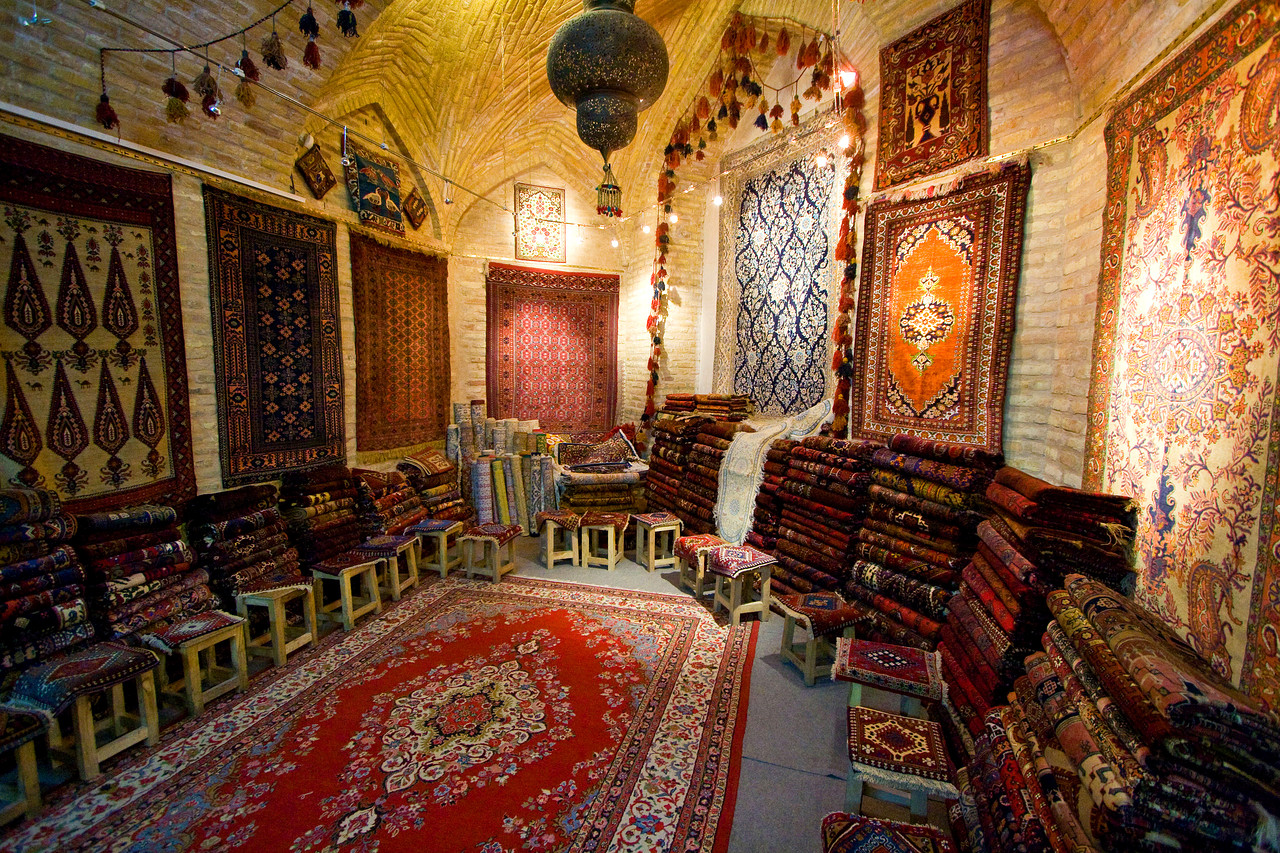
Explore carpet shops and streets associated with copperware and metalwork. With suitable arrangements, visit a working workshop to learn about the tools, materials and techniques used by local craftspeople.
The day also offers time to experience the everyday atmosphere of Shiraz and understand how traditional markets remain part of city life.
Overnight: Shiraz


DAY 3 — From Shiraz to Yazd: Khan Bazaar & Amir Chakhmaq Square
Travel from Shiraz to Yazd by road. After arriving and checking in at your hotel, explore Khan Bazaar (Bazaar-e Khan), one of Yazd’s historic bazaars, known for its traditional commercial architecture and shops.
In the late afternoon and evening, visit Amir Chakhmaq Complex, one of Yazd’s most recognisable landmarks. See its famous multi-storey façade and explore the surrounding square as the area becomes lively with local residents and visitors. After dark, the illuminated complex offers a different atmosphere and excellent opportunities for photography.
Overnight: Yazd


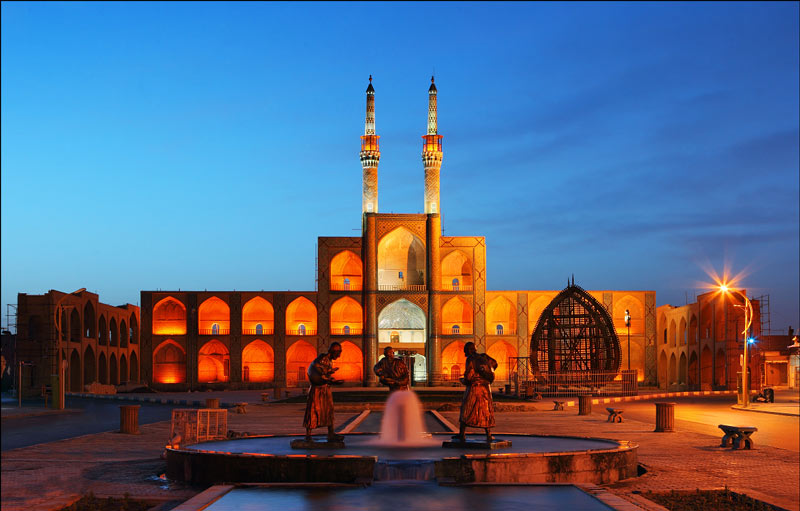

DAY 4 — Yazd Zoroastrian Fire Temple & Meybod Caravanserai
In the morning, visit Yazd’s Zoroastrian Fire Temple (Atash Behram), an important religious site for Iran’s Zoroastrian community. Learn about Zoroastrian traditions and the significance of fire in this ancient faith.
Then travel to Meybod, a historic desert town known for its traditional architecture and pottery. Visit Shah Abbasi Caravanserai, where merchants and travellers once rested and traded goods along Iran’s historic routes. Explore the caravanserai and learn about its role in supporting trade across the desert.
Return to Yazd for the night.
Overnight: Yazd


-

- Zoroastrian Fire Temple, Yazd, Iran


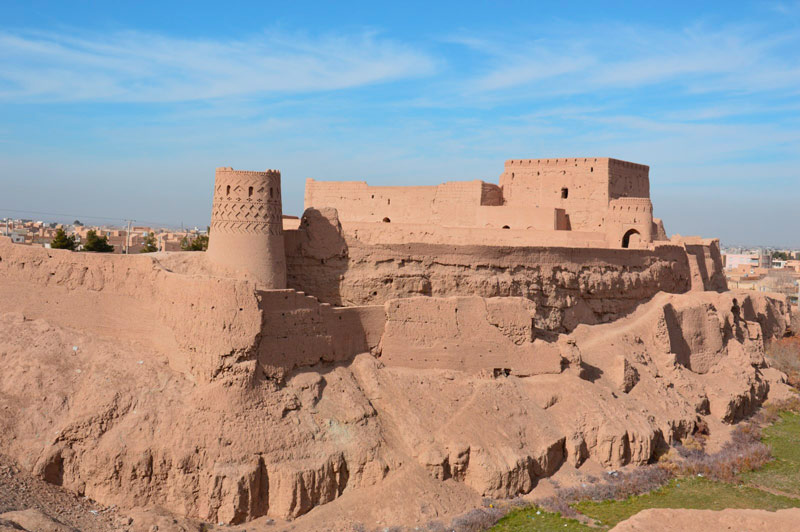


DAY 5 — From Meybod to Isfahan & Qeysarieh Bazaar
Travel from Meybod to Isfahan, continuing your journey through Iran’s historic trading towns.
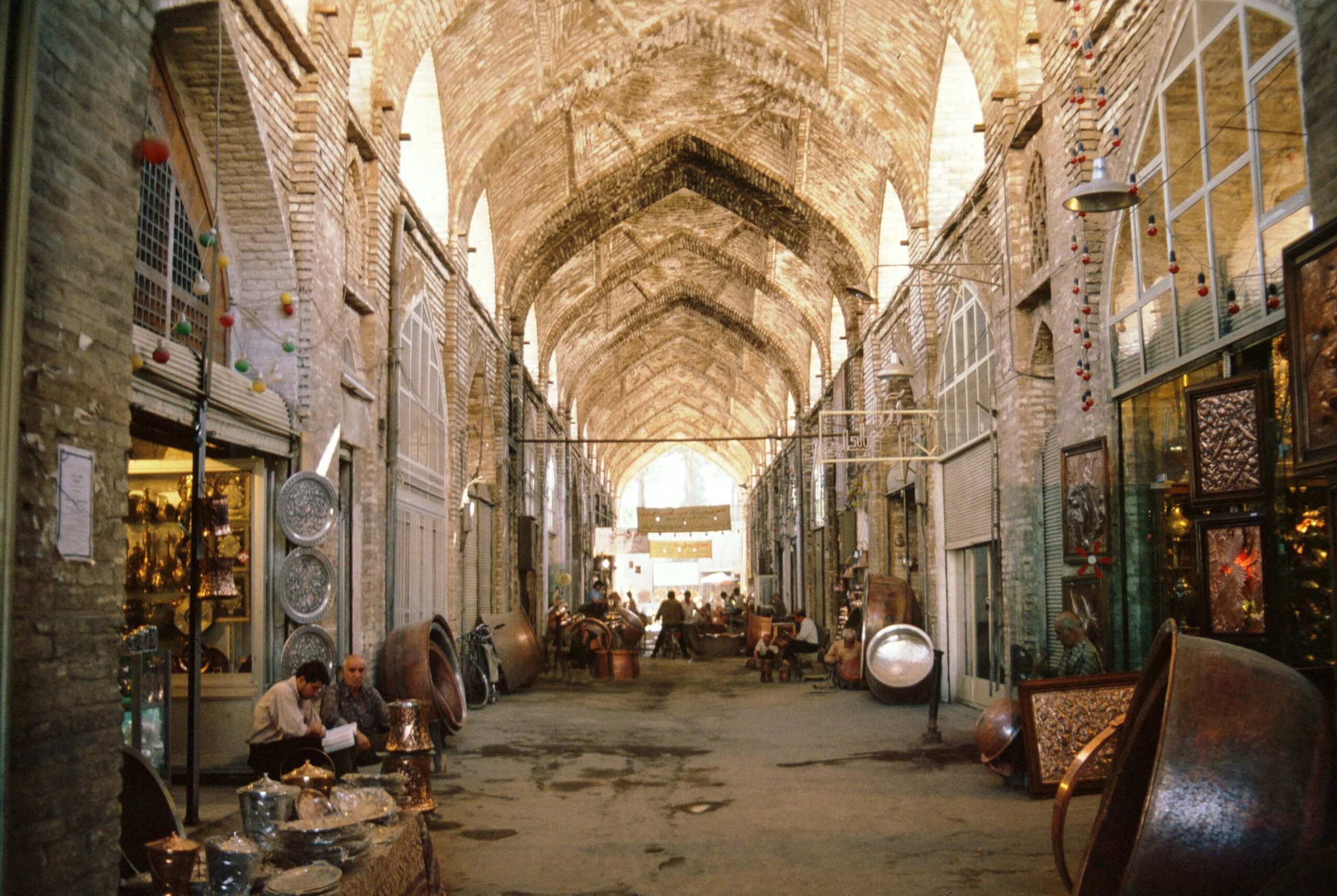
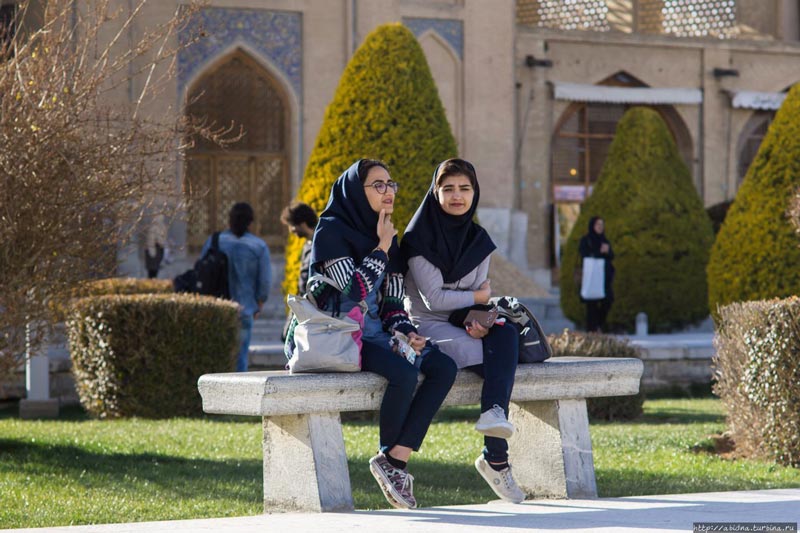
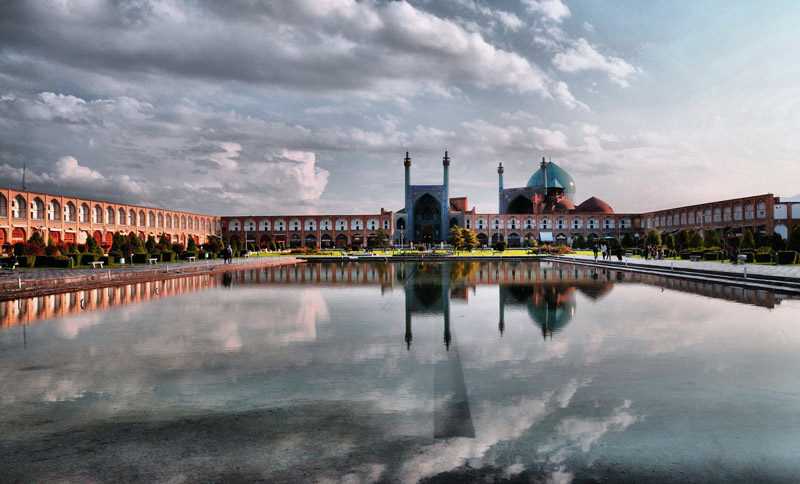
After arriving in Isfahan, visit Naqsh-e Jahan Square, a UNESCO World Heritage Site, and explore Qeysarieh Bazaar, one of the city’s most famous historic markets. Walk through its covered passages and discover shops selling miniature paintings, textiles, handicrafts and traditional products.
Learn how the bazaar connects with the square and the surrounding historic centre, and see how specialist craft shops, souvenir sellers and traditional merchants contribute to Isfahan’s commercial life.
Overnight: Isfahan
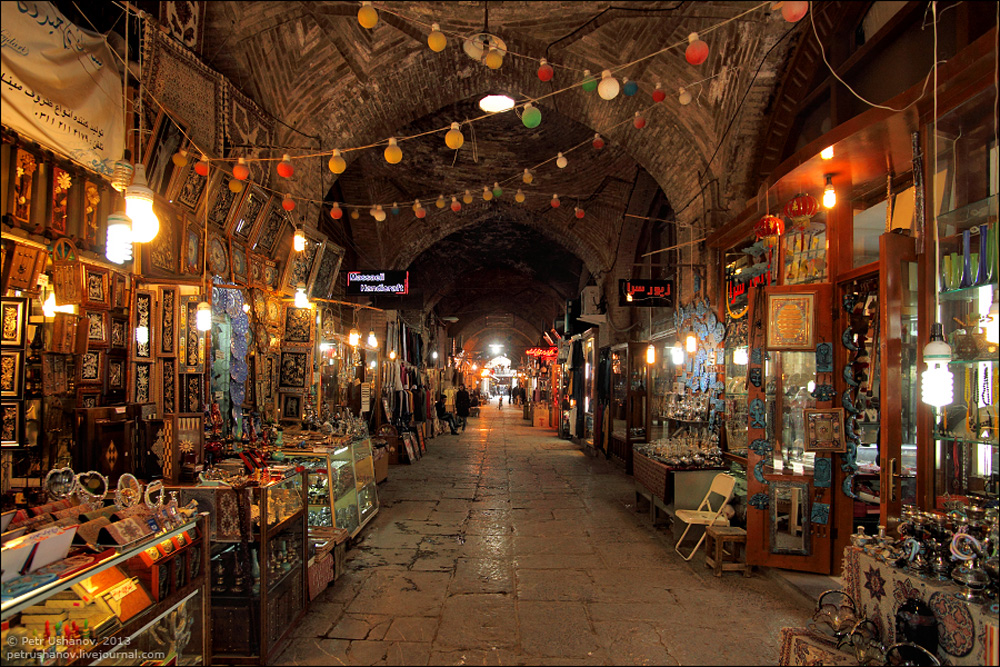




DAY 6 — Persian Carpets, Copperware and Traditional Workshops
Spend the day exploring Isfahan’s craft and trading traditions.
Visit carpet shops to learn about Persian carpet designs, patterns, materials and regional differences. Your guide can explain what to look for when comparing handmade carpets, including knotting, workmanship, materials and design.
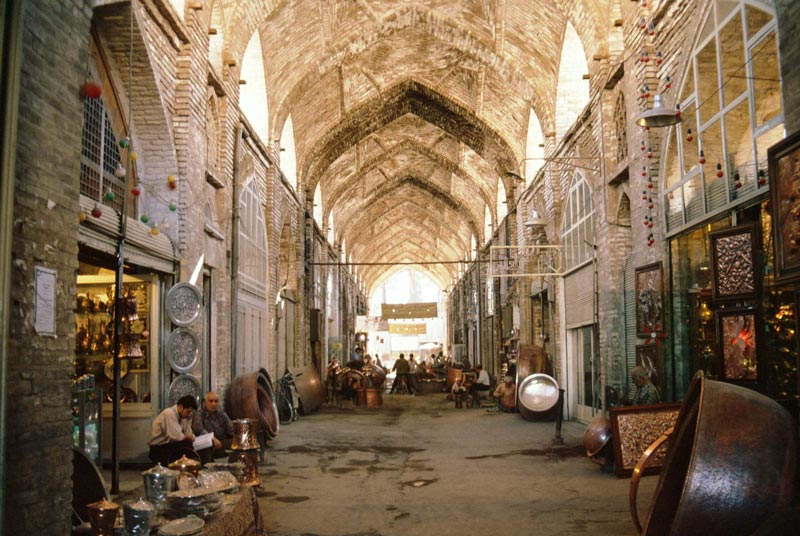
Explore streets associated with copperware and traditional metal engraving, known as qalamzani. Where possible, meet an artisan and observe the work involved in decorating metal objects.
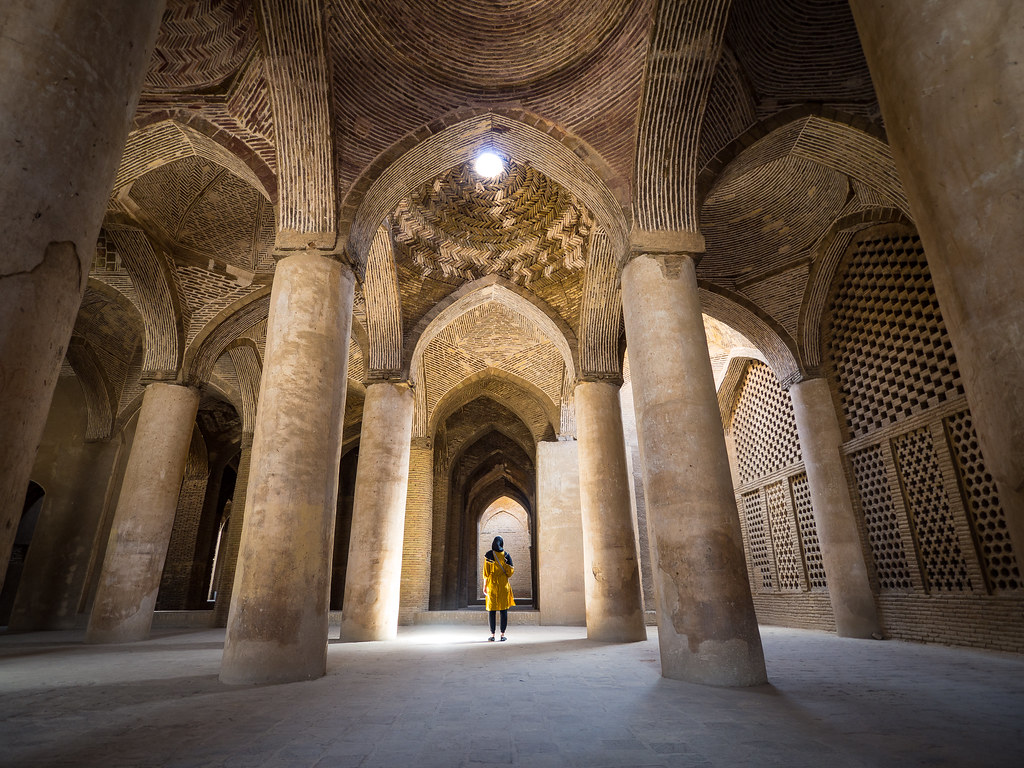
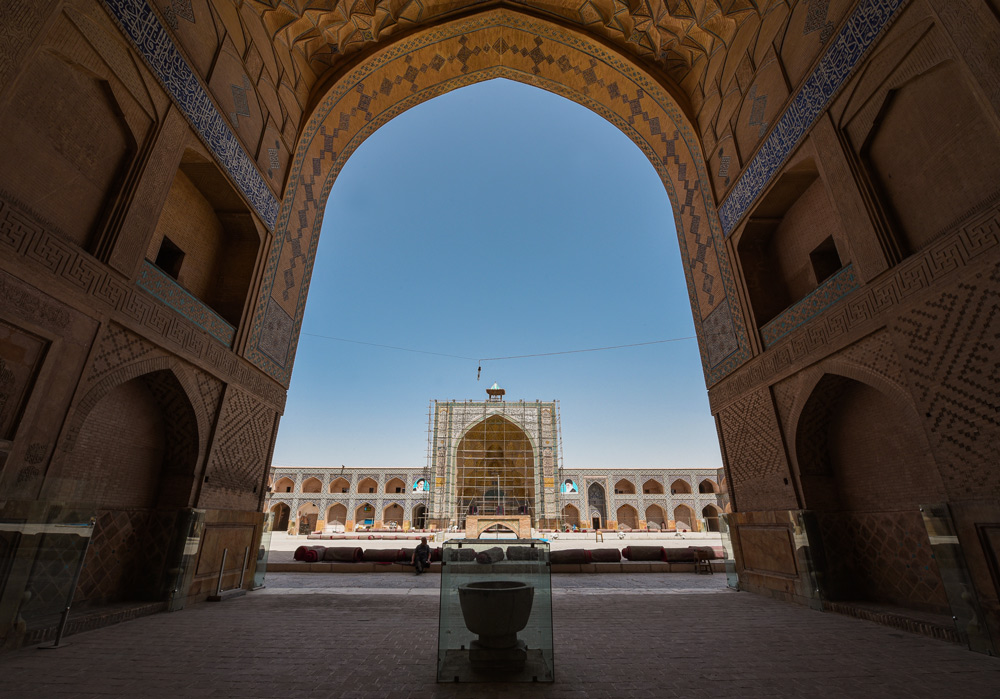
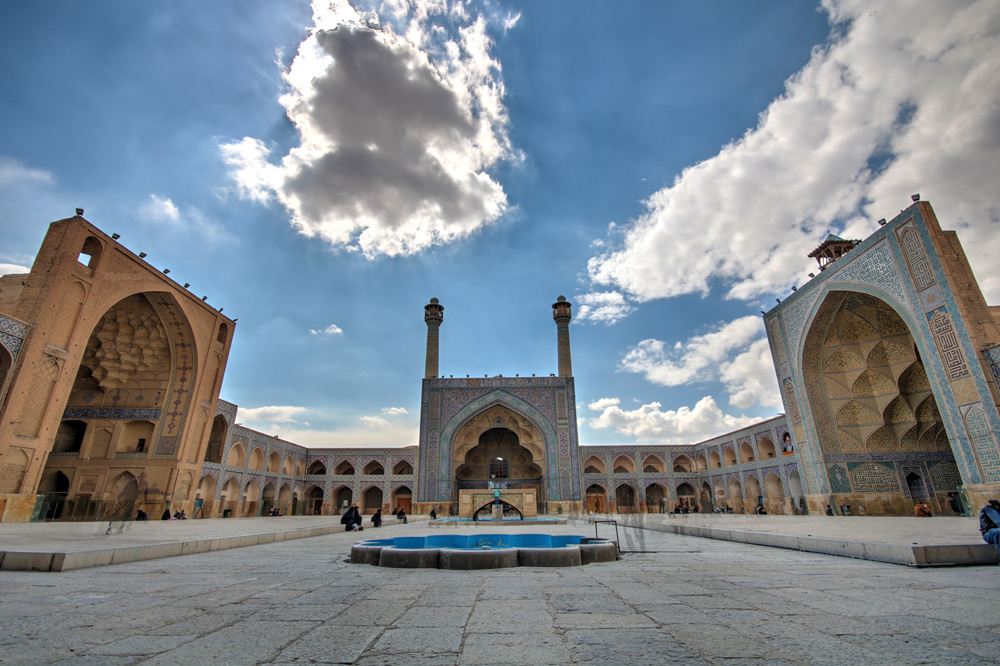
Depending on timing and your interests, the day may also include a visit to Isfahan’s Jameh Mosque or a walk near one of the city’s historic bridges.
Overnight: Isfahan



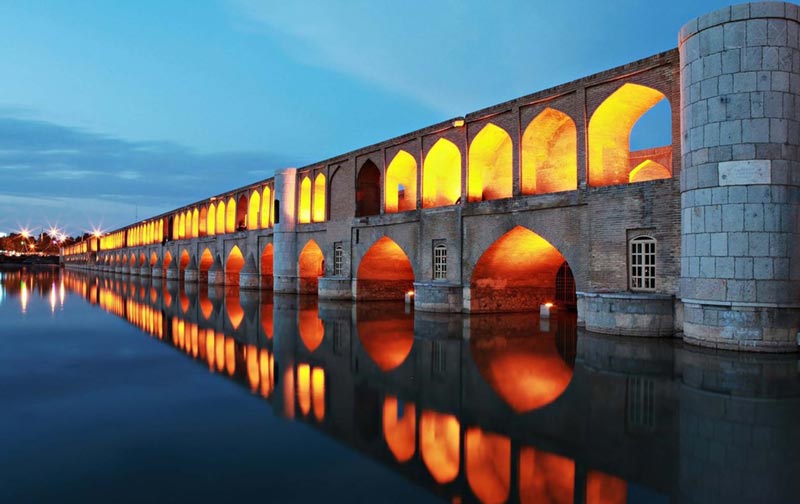
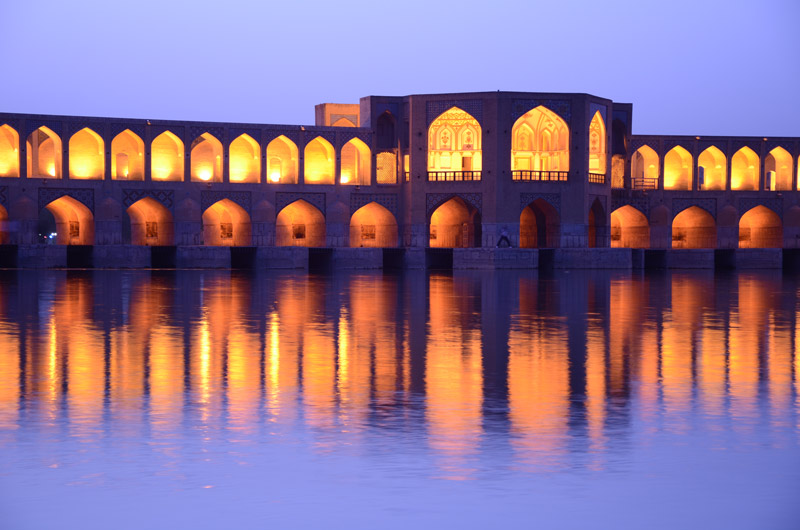
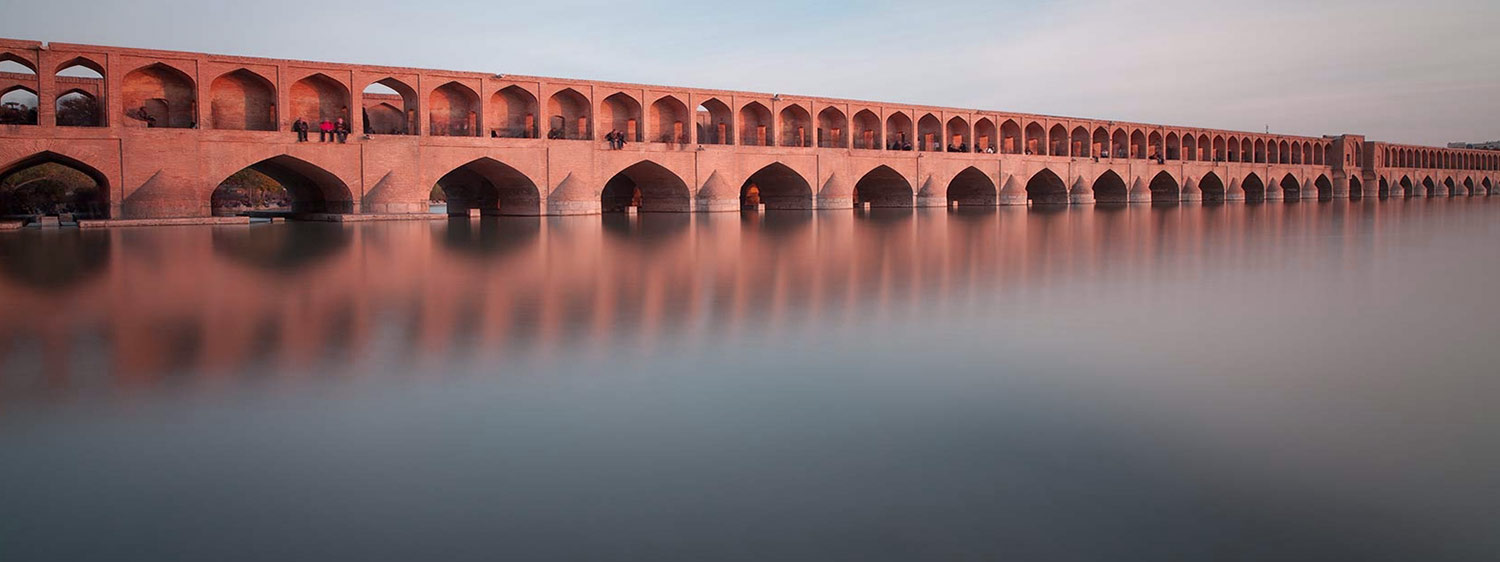

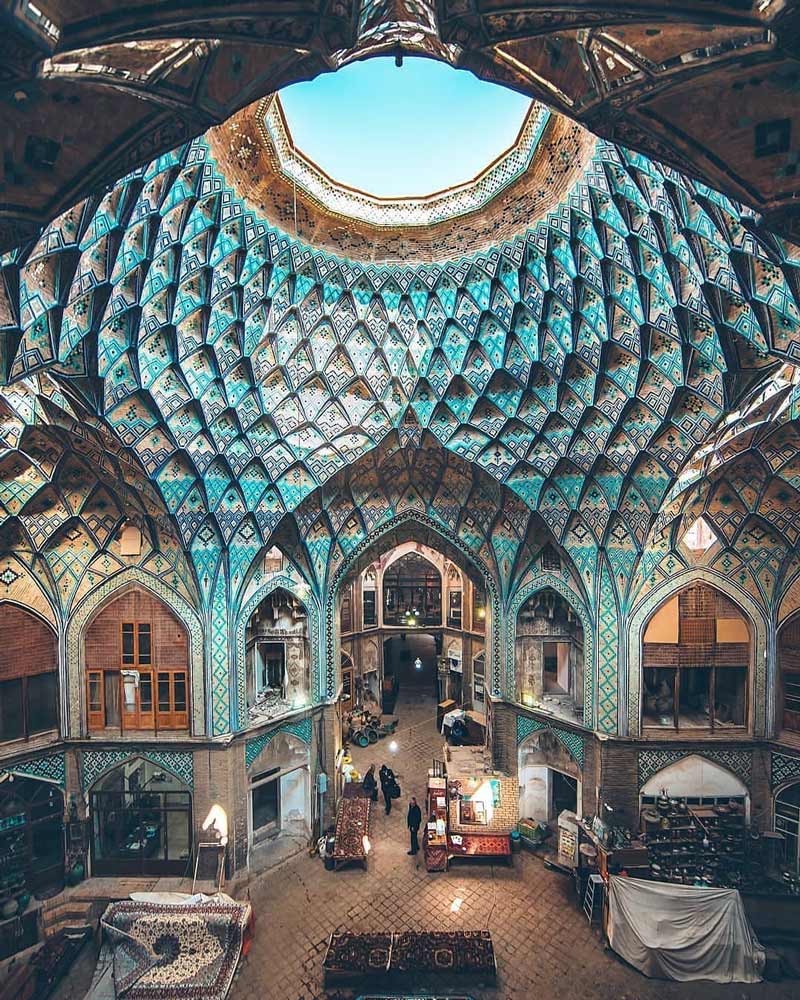
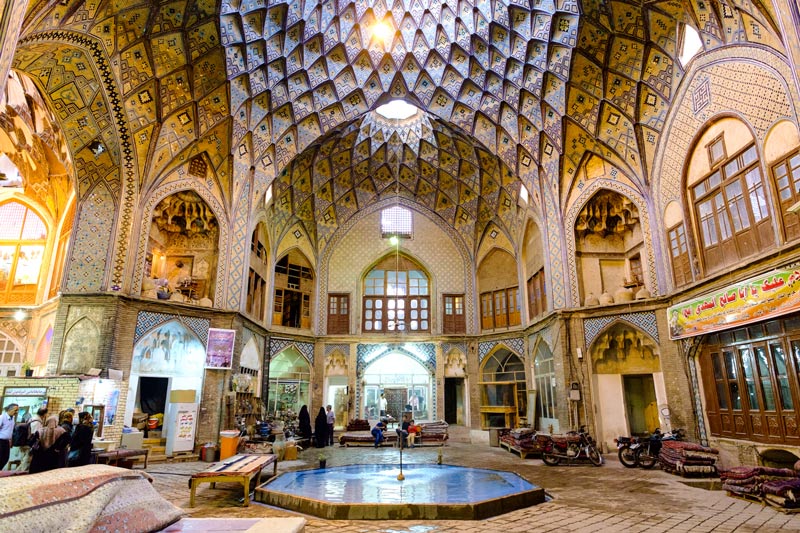
DAY 7 — Kashan Bazaar and Timcheh Amin al-Dowleh
Travel to Kashan and explore its historic bazaar, a commercial centre connected with the city’s long trading history.
Visit Timcheh Amin al-Dowleh, admired for its architectural details and impressive covered space. Your guide will explain how specialist commercial buildings provided merchants with places to display, store and trade goods.
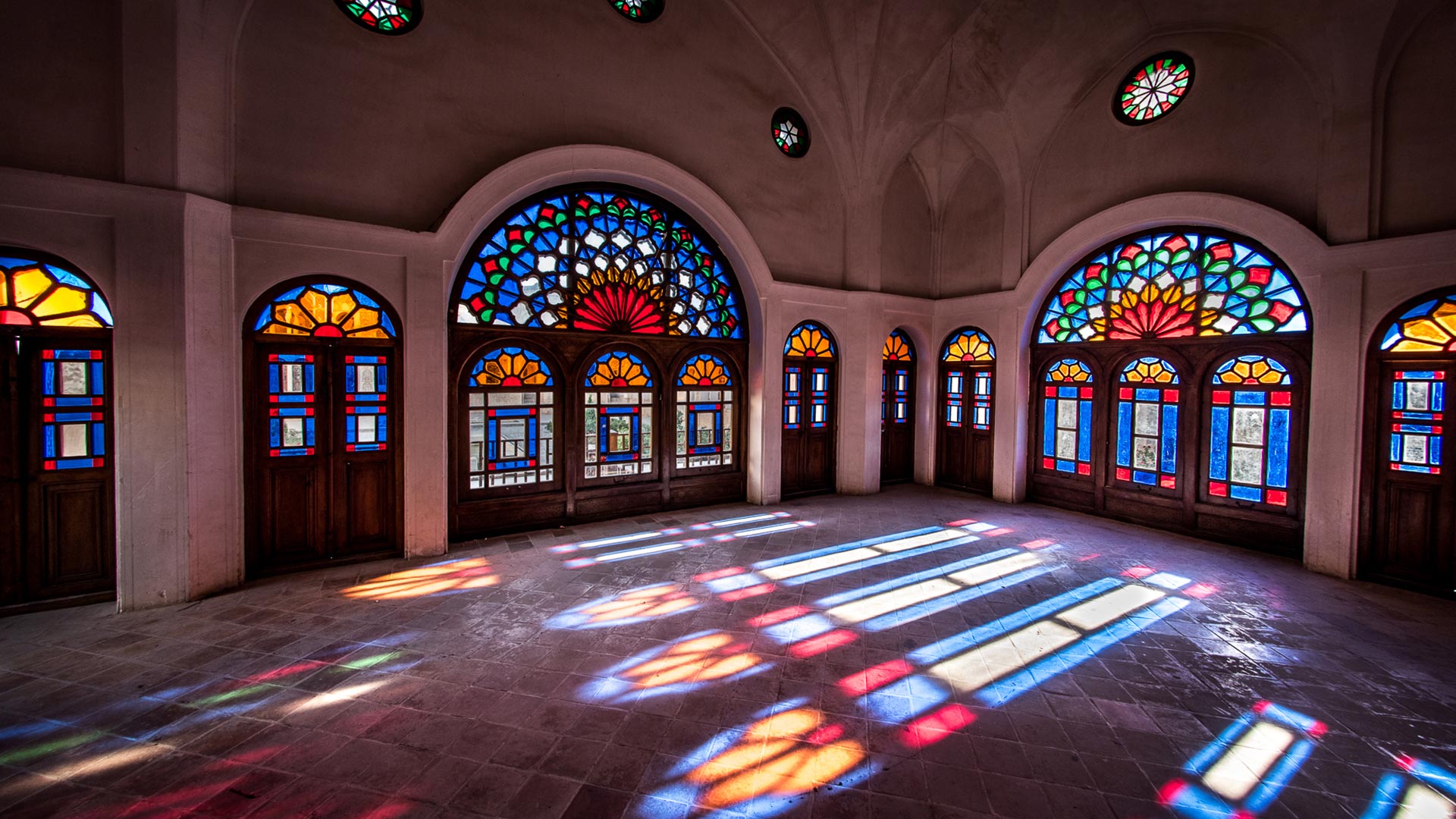
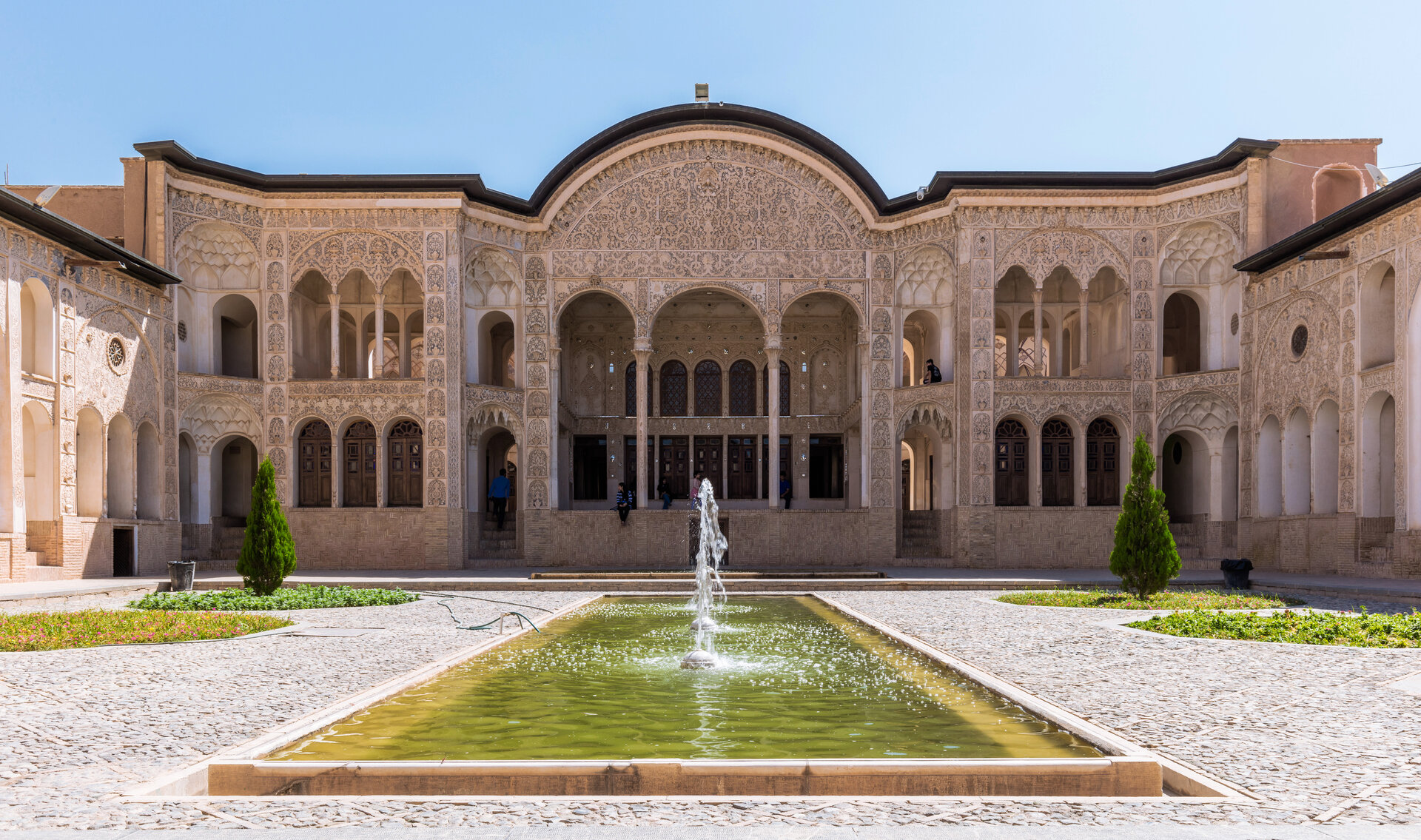
Explore the surrounding market streets and discover local products and traditional shops. Depending on the schedule, visit a historic merchant house or Fin Garden to gain a broader understanding of life in Kashan.
Overnight: Kashan
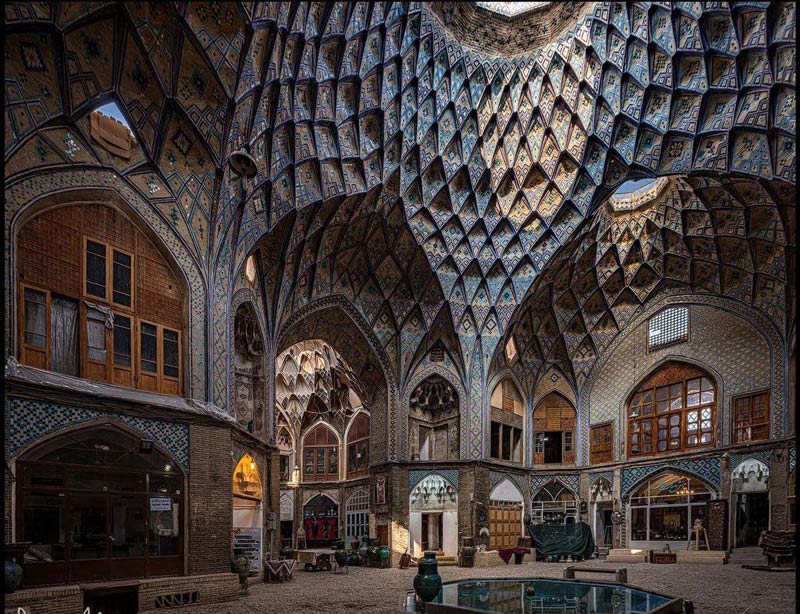

DAY 8 — From Kashan to Tehran
Travel to Tehran, Iran’s capital and largest commercial centre.
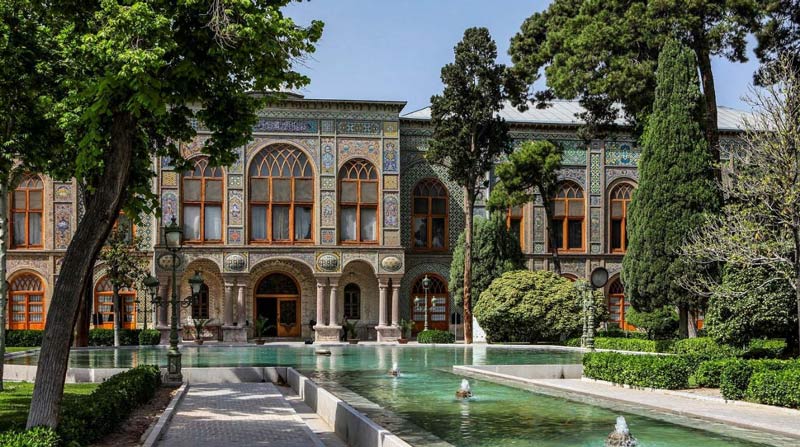
After arrival, explore part of the historic city centre. If timing permits, visit Golestan Palace, which offers insight into the royal and political history of Tehran.
Your guide will introduce the capital’s development from a historic settlement into a modern metropolis and explain how its commercial life expanded alongside the city.
Overnight: Tehran
DAY 9 — Tehran Grand Bazaar, Tajrish Bazaar and Local Markets
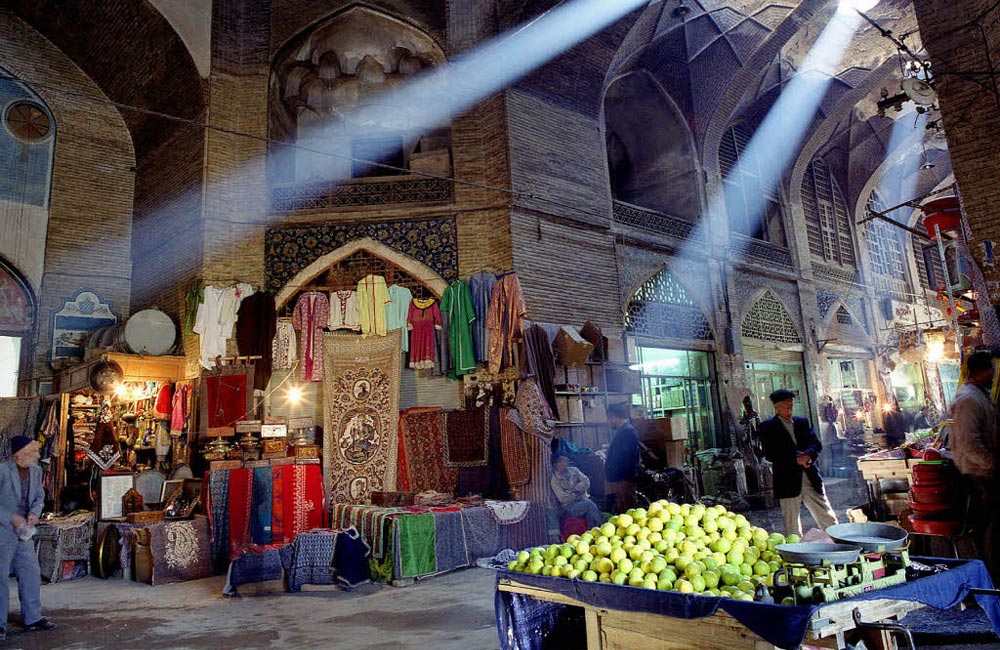
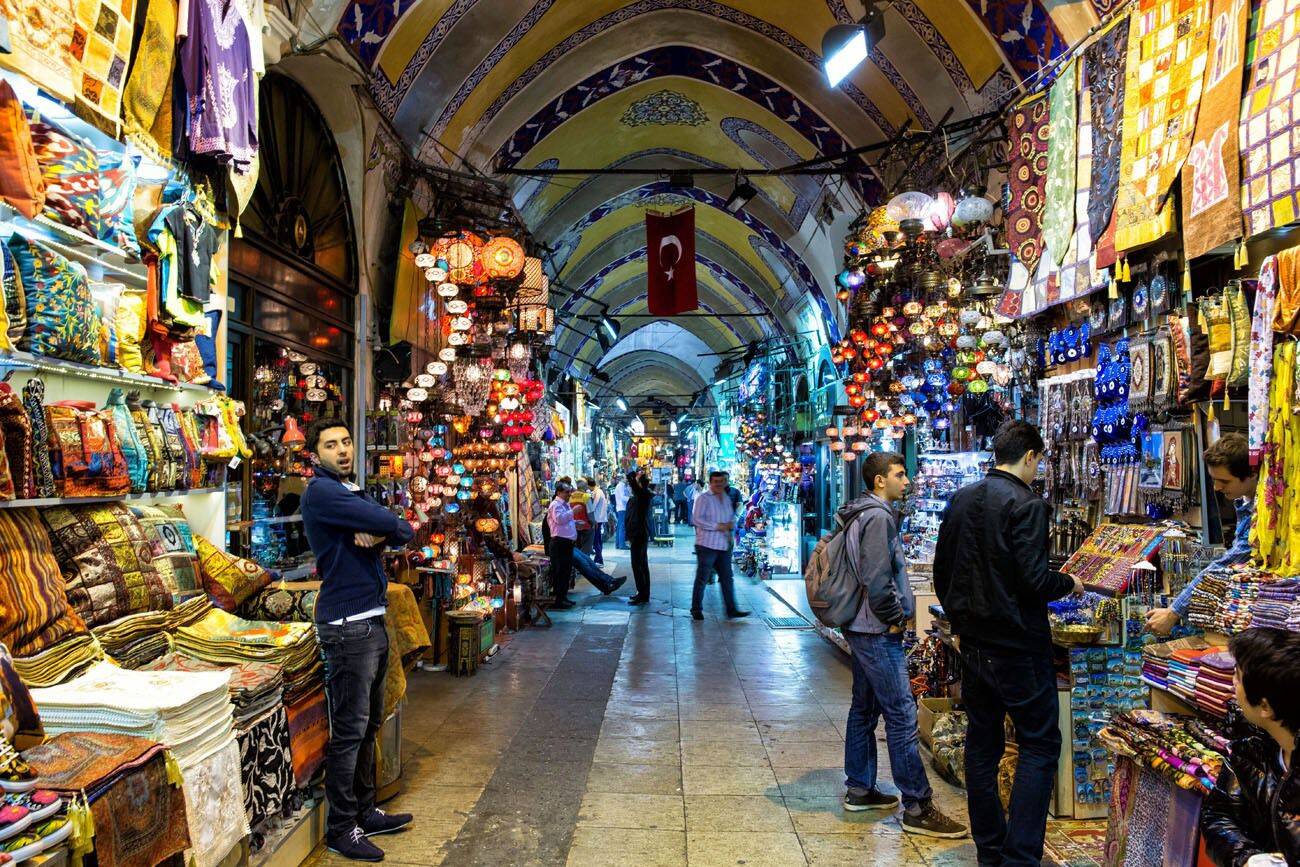
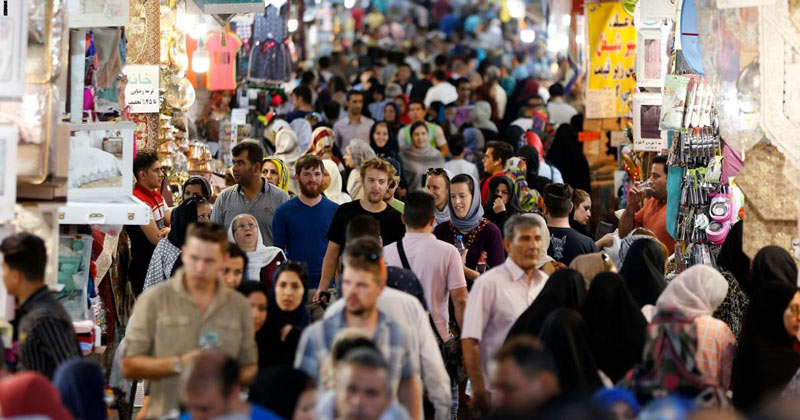
Explore Tehran’s Grand Bazaar, an extensive network of covered passages, commercial courtyards and specialist trading areas. The market is an active place of business, so expect crowds, busy corridors and the movement of goods alongside shoppers.
Discover sections associated with carpets, textiles, household goods and other merchandise. Your guide will help you understand the bazaar’s scale and how different trading areas function.
Continue to Tajrish Bazaar in northern Tehran, where traditional market activity meets a different urban atmosphere. Explore shops selling produce, spices, sweets, flowers and local products.
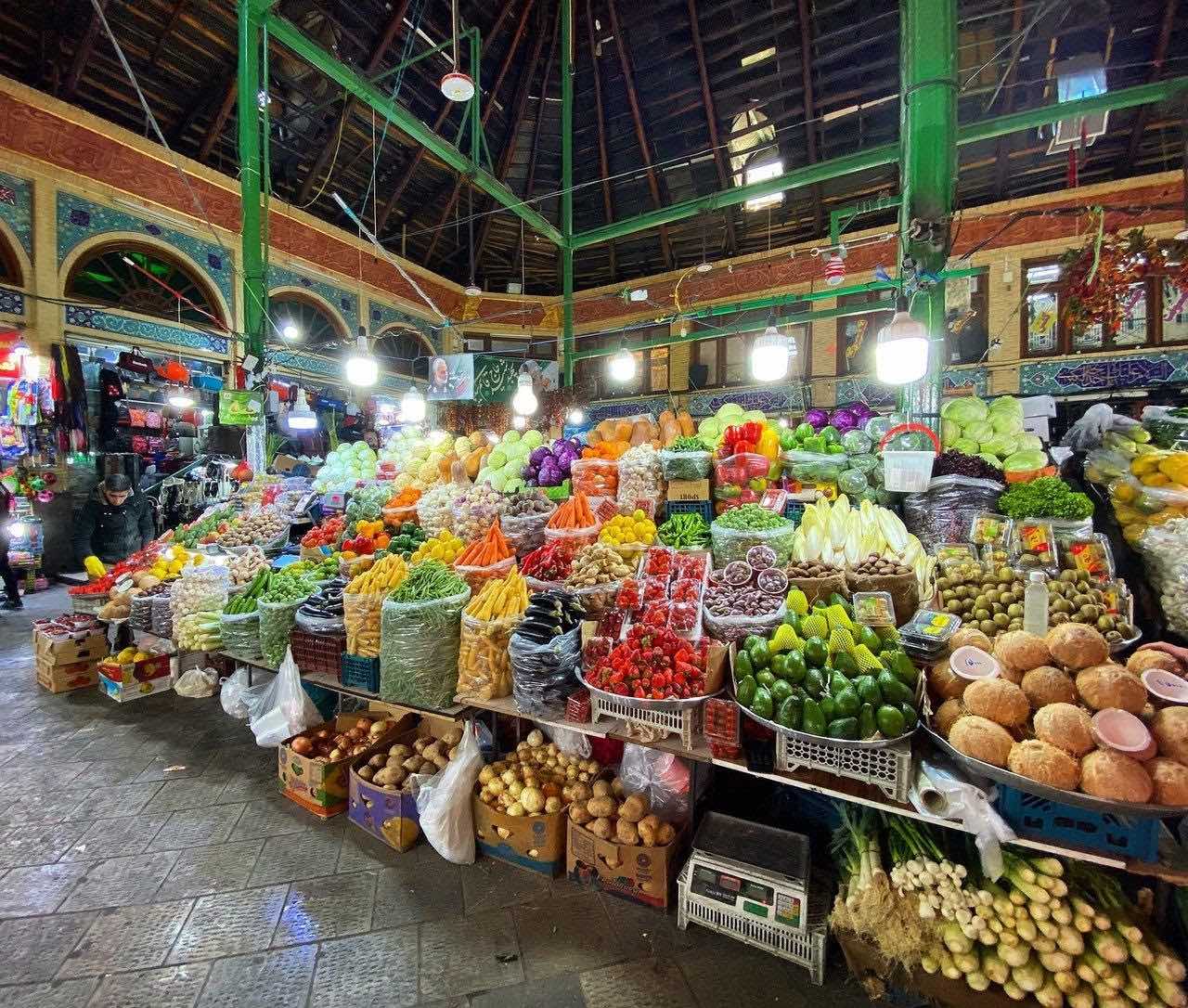
Depending on the day’s arrangements, visit a traditional fruit and vegetable market to observe how fresh food is displayed and sold. These markets offer a glimpse of everyday shopping beyond the tourist districts.
Overnight: Tehran

-

- Grand Bazaar, Tehran




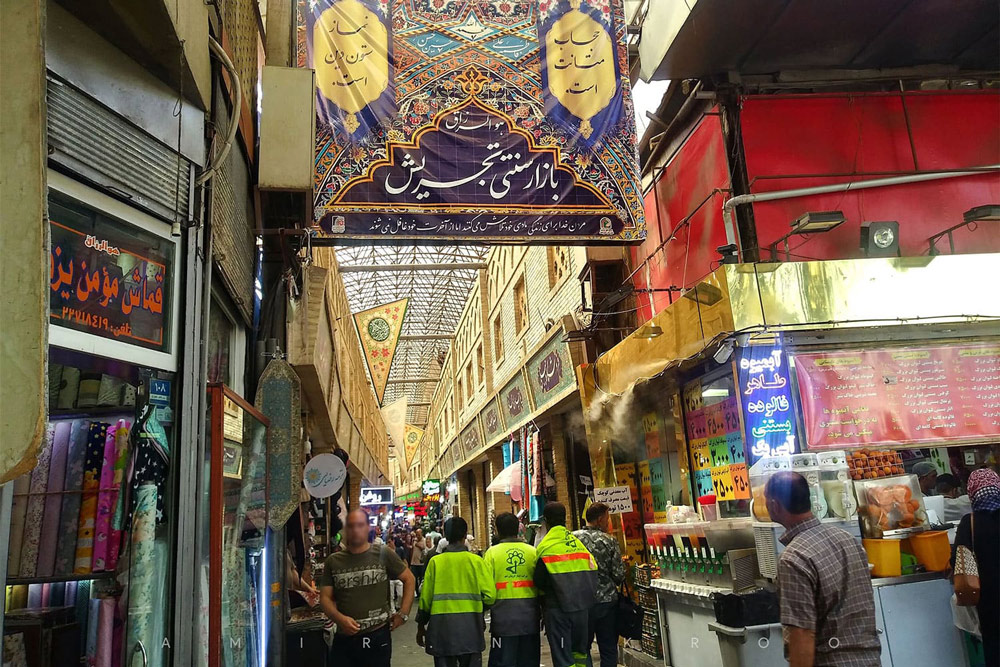


DAY 10 — National Jewelry Treasury & Iran Mall
Begin the morning at Iran’s National Jewelry Treasury, home to one of the world’s extraordinary collections of historic jewels and precious objects. Discover dazzling gemstones, magnificent crowns, elaborate jewellery and remarkable pieces that reflect centuries of royal history, craftsmanship and artistic achievement. Among its treasures is the legendary Darya-ye Noor, one of the largest known pink diamonds in the world. This exceptional collection offers a rare glimpse into Iran’s royal heritage and the artistry behind some of its most remarkable treasures.
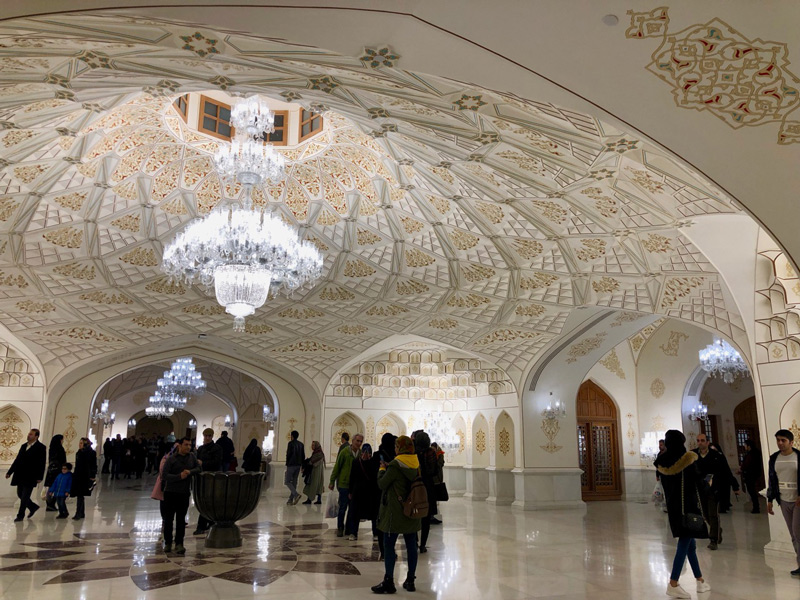
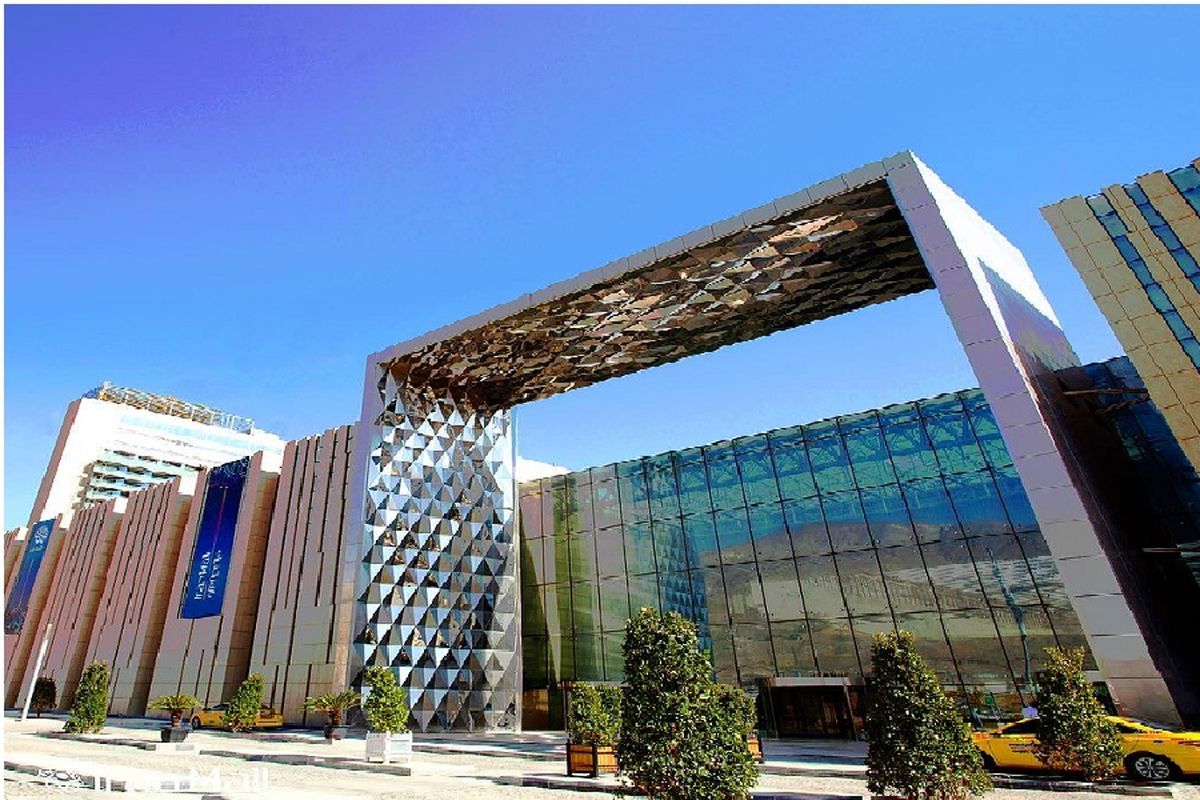
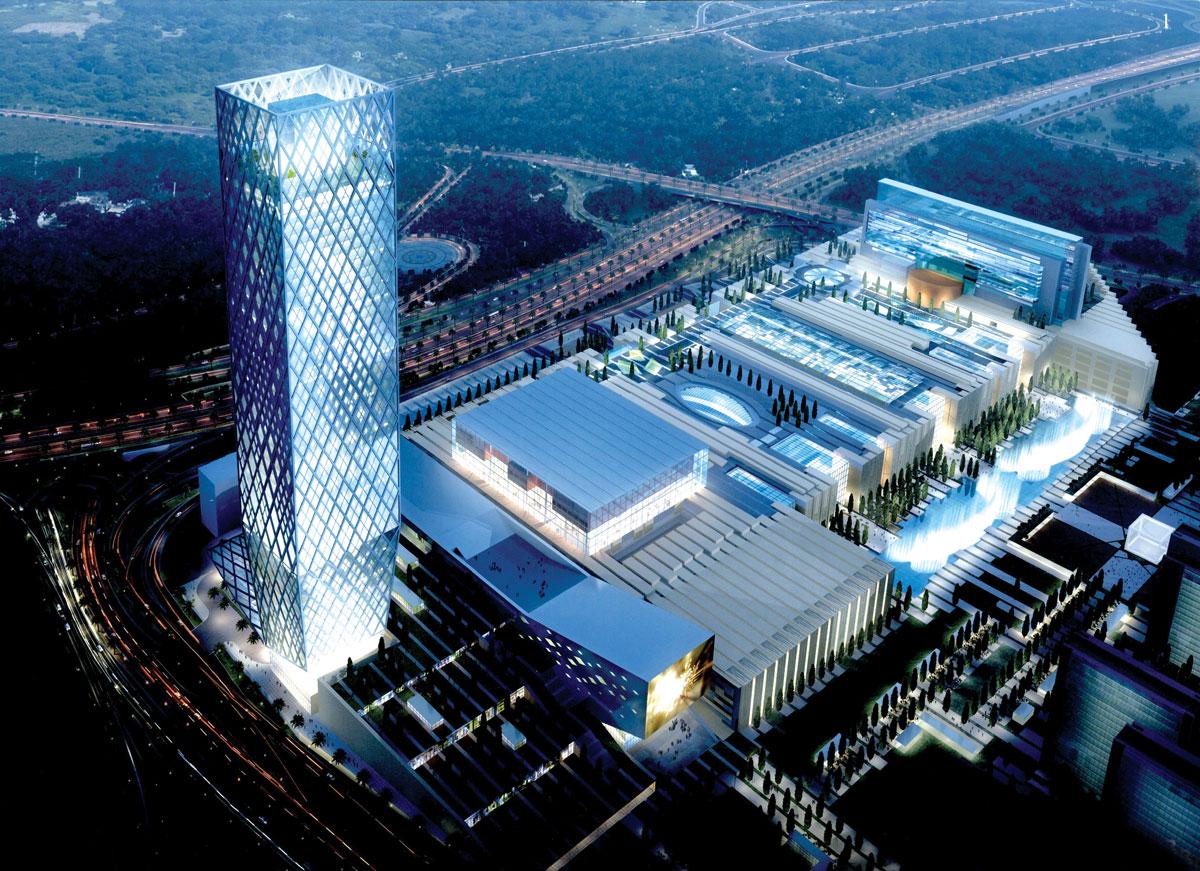
In the afternoon, head to Iran Mall, one of the largest shopping and leisure complexes in the Middle East. Explore its remarkable scale and architecture, where contemporary design meets traditional Iranian inspiration. Discover spaces influenced by Persian gardens, historic bazaars and traditional architecture alongside modern retail areas, restaurants and leisure facilities.
The final day brings the journey full circle: from the historic bazaars where merchants and craftspeople shaped Iran’s trading culture to a vast modern complex that reinterprets shopping and public spaces for contemporary life. Experience how Iran’s commercial traditions continue to evolve, connecting the heritage of the past with the markets of today.


Practical Information
Best Time to Take This Tour
March to May and September to November are generally comfortable periods for exploring Iran’s central cities and walking through historic bazaars. Summer can be very hot, particularly in Yazd and the surrounding desert region. Winter may bring colder weather, especially in the evenings.
Walking and Transportation
Bazaars often have uneven floors, narrow passages, crowded corridors and long walking routes. Comfortable walking shoes are recommended.
Travel between Shiraz, Yazd, Isfahan, Kashan and Tehran involves substantial road journeys. The exact departure times and stops will depend on traffic, road conditions and the final itinerary.
Clothing and Cultural Etiquette
Foreign visitors should follow Iran’s public dress requirements. Women need to wear a headscarf in public and both women and men should wear clothing that covers appropriately.
Ask permission before photographing people, shopkeepers or artisans. Some workshops may not allow photography, and visitors should respect requests from craftspeople and business owners.
Shopping and Bargaining
Prices and bargaining practices vary by shop and product. In some traditional shops, respectful negotiation is normal; in others, prices may be fixed.
For carpets and valuable handicrafts, ask about materials, whether an item is handmade, its origin and shipping arrangements before buying. Do not feel obliged to purchase anything during a shop or workshop visit.
Who Is This Tour For?
This tour is ideal for travellers interested in Persian culture, architecture, traditional crafts, carpets, local commerce and everyday life. It suits visitors who prefer exploring cities on foot, talking with local people and understanding the stories behind the places they visit.
It may be less suitable for travellers who dislike walking, crowded markets or long road transfers, or who are mainly looking for a relaxed beach holiday.
Can This Tour Be Customized?
Yes. The itinerary can be adjusted to suit your interests, travel dates and pace. You may be able to spend more time on Persian carpets, traditional crafts, architecture, local food markets or shopping.
Workshop visits, the National Jewelry Treasury and other sites with restricted access must be arranged around availability and opening schedules. Additional nights or alternative activities can be discussed when planning your trip.
Included in the Tour
- Accommodation during the tour, according to the final confirmed package.
- Transportation between the destinations listed in the itinerary.
- Guiding services according to the confirmed tour arrangement.
- Planned visits and activities specified in the final itinerary.
- Assistance with local arrangements during the trip.
Not Included in the Tour
- International flights to and from Iran.
- Iran visa fees and related charges, unless specifically included in the final quotation.
- Travel insurance.
- Meals and drinks not specified in the confirmed package.
- Personal shopping and purchases.
- Optional activities and entrance fees not listed as included.
- Tips and other personal expenses.
Plan Your Iran Bazaar Tour
Explore Iran through the markets, workshops and trading streets that reveal another side of the country’s history and daily life. Tell us your preferred travel dates, group size and interests, and our local team can help you plan the details of your 10-day journey.
Contact Incredible Iran to discuss your itinerary and receive a tour quotation.